SpaceX's $2.5 Trillion Valuation Hinges on Data Centers in Orbit
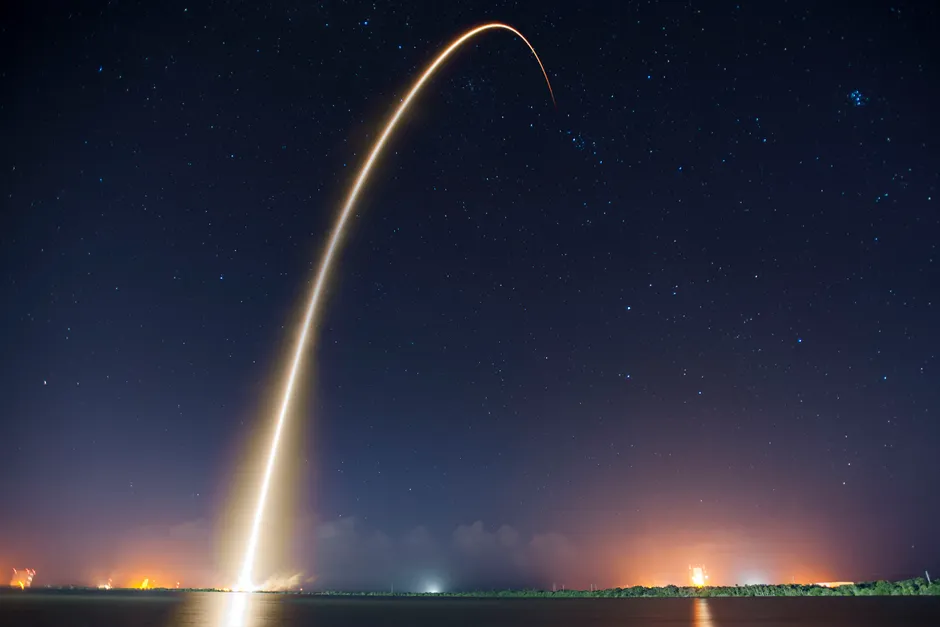
$2.5 trillion is the value MarketWatch puts on SpaceX, tied to AI data centers in orbit. The outlet describes that trillion-dollar valuation as built on the orbital compute dream. Its Sept. 28 reporting frames the project as a massive AI data center in orbit using the power of the sun and the vacuum of space to overcome power and cooling constraints. MarketWatch
SpaceX uses similar terms. It says it is capturing solar energy in space to power low-cost, high-performance AI compute for Earth. Its AI satellite page lists payload power, the electricity for onboard computers, at up to 250 kW peak / 175 kW average. SpaceX Power is the bottleneck. Cooling is the second.
The company also states that current advances in AI are dependent on large terrestrial data centers requiring immense amounts of power and cooling. Its IPO roadshow presentation from June 11 describes its AI compute infrastructure as terrestrial and orbital. The same presentation describes power from solar energy as unlimited, clean, and lower cost. SpaceX IPO Roadshow
The terrestrial leg is already specified. SpaceX describes its supercomputing facilities in Memphis, TN / Southaven, MS as ranking among the world's most advanced AI training clusters, groups of linked machines that train AI models. It says those Mid-South facilities span over 2.5 million feet and include millions of GPUs, the chips that handle AI work. SpaceX
Schedules and scale remain proposals. Reuters reported on June 9, 2026, citing sources, that SpaceX aims to launch orbital AI computing tests by the end of next year. Reuters Aerospace America reported on July 1 that SpaceX and others have proposed launching tens of thousands of massive satellites for AI processing and other functions. Aerospace America Bloomberg reported on May 14 that SpaceX and Blue Origin both announced plans to build and launch orbital data centers. Bloomberg A former Meta chief technology officer said SpaceX is the only company capable of building orbital data centers.
The broader context here is how equity value, the stock market worth of the company, is being split between installed compute and option value on power, the price paid today for a shot at future profit. The terrestrial disclosure gives analysts something to underwrite now: physical footprint, GPU count, and a claim to top-tier training capacity in the Mid-South. The orbital disclosure is different. It is a claim on future cost curves for launch, on-orbit power delivery, and utilization of a 250 kW peak / 175 kW average payload envelope at scale.
In my view, that split explains the IPO roadshow language. Terrestrial and orbital lets SpaceX present near-term training revenue alongside a long-duration call on energy arbitrage, profiting from cheaper power in space than on Earth. If solar input is treated as unlimited, clean, and lower cost, then the constraint shifts from electricity procurement and cooling plant to manufacturing throughput, deployment cadence, and financing tens of thousands of units. That is a capex-heavy path, one that needs heavy upfront spending on hardware. Markets will price it on cost per deployable kilowatt, expected load factors, how fully machines are used, and the discount rate applied to cash flows that depend on tests that have not yet flown.
Looking at what this means for valuation discipline, the $2.5 trillion figure concentrates risk in execution rather than demand. Demand for AI compute is the stated premise. Supply of economic power and cooling is the stated limit. Orbital tests targeted for the end of next year are therefore the next observable milestone. Until then, the terrestrial cluster is the anchor, and orbit is priced expectation.


