How Ukraine's Drone Campaign Is Strangling Crimea's Lifelines
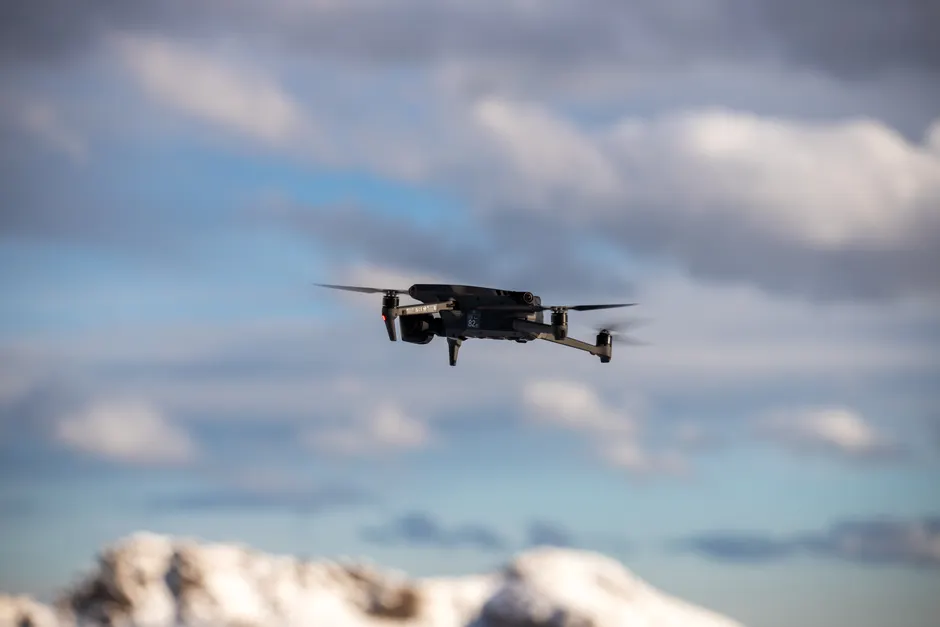
Ukrainian drones struck power infrastructure in Sevastopol on June 24, 2026, leaving parts of Russia's key Black Sea port without electricity until evening, AP News reported. Mikhail Razvozhayev, the Moscow-installed governor, acknowledged the outages publicly — a sign of damage the Kremlin cannot easily hide.
This was not an isolated strike. Since May 2024, Ukrainian drones have repeatedly targeted Crimea's power grid, a pattern that has intensified sharply in 2026. Earlier this month, AP News documented Ukrainian operations against Russian oil refineries, fuel depots, and pipelines in occupied southern Ukraine. Tanker trucks along the corridor connecting Crimea to mainland Russia have been hit and set ablaze. The logic connecting these operations is clear: cripple the supply chains and energy systems that keep Russian forces operational on the peninsula.
Sevastopol carries deep weight for both sides. It has housed Russia's Black Sea Fleet since the late 1700s and was formally annexed by Moscow in 2014 alongside Crimea. Throughout this war, Ukraine has made the city a focal point of military action—most symbolically by naming a naval drone Sevastopol. The Ukrainian government has consistently stated that Crimea must be liberated and returned to Ukraine, a position reaffirmed in the February 2023 EU-Ukraine Summit statement, which also condemned Russia's use of missiles and drones against Ukrainian civilians, president.gov.ua.
Ukraine lacks the military capacity for a large-scale ground or amphibious assault on a heavily fortified peninsula. Instead, Kyiv has invested in unmanned systems—maritime drones, long-range attack drones (FPV variants), and modified versions of the Shahed, a Russian design Ukraine captured and adapted—to strike targets from a distance. Hitting power plants and fuel supplies forces Russia to pull air-defense systems, repair teams, and logistics resources away from frontline fighting. Power cuts in Sevastopol also carry a civilian angle: they are visible, difficult to conceal, and serve as daily reminders to residents of Russian failure to protect basic services.
The corridor through occupied southern Ukraine is a chokepoint. The Kerch Strait Bridge, damaged twice since 2022, is strained and politically sensitive for Moscow. Land-based fuel routes have become the main supply artery. When Ukrainian strikes destroy tanker trucks and fuel storage along these corridors, they compound a cumulative attrition effect—each strike chips away at Russia's logistics capacity, even if no single operation is decisive.
For Moscow, these repeated failures carry both reputational and operational costs. Sevastopol holds outsized symbolic importance in Russian identity—Putin invoked it prominently during his 2014 annexation speech, and Russian state media continues to reference it as proof of restored Russian sovereignty. Every electricity outage contradicts that narrative, even when Russian officials try to minimize the damage.
The frequency of Ukrainian strikes in June 2026 suggests Kyiv is maintaining pressure ahead of potential peace talks, though no ceasefire agreement currently exists. The status of Crimea has been the war's hardest negotiating problem: Ukraine has repeatedly stated, through presidential declarations and international statements, that any settlement leaving the peninsula under Russian control is unacceptable. Each drone strike on Sevastopol carries a message in addition to its physical damage—it is a negotiating position delivered by unmanned aircraft.


