The Philippines Blocked a Gaming App After a School Shooting. Here's What We Know—and Don't Know
On June 22, 2026, two students—aged 15 and 14—opened fire on their classmates at San Jose National High School in Tacloban, Philippines, killing three students and injuring five. Both shooters were arrested at the scene. It was one of the deadliest school gun incidents in the country's recent history.
The shooting happened around 9:20 a.m. local time. During police questioning, the suspects said they had been bullied at school, according to NPR. Investigators found that the attack had been planned for more than a month, the Philippine News Agency reported.
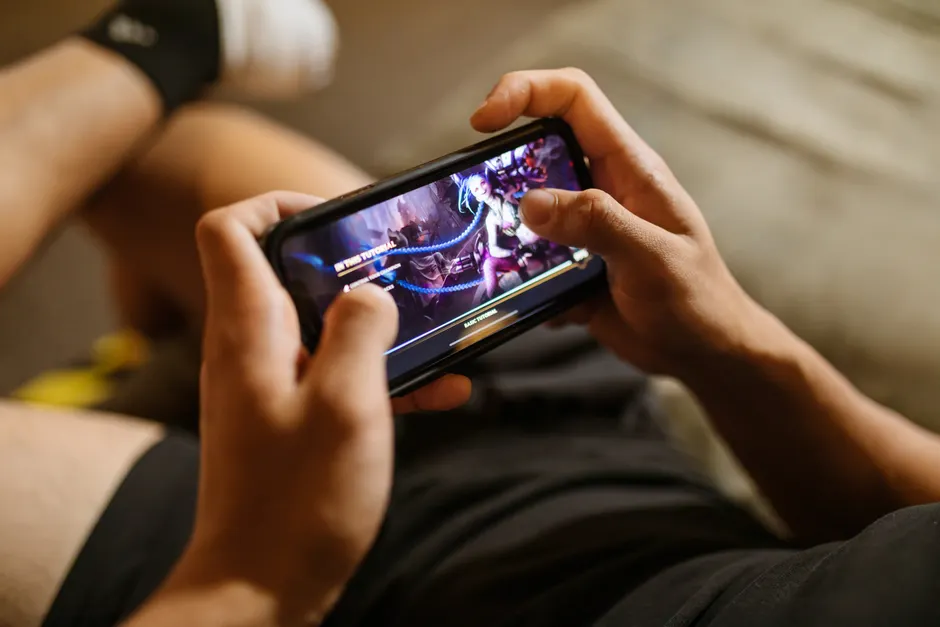
Two days later, on June 23, Philippine authorities temporarily blocked access to GoreBox, a mobile gaming app known for graphic violence, after discovering that one of the two teenagers had regularly played it. The Guardian reported that officials moved quickly to restrict the app—within 24 hours—as a precautionary measure. The block was described as temporary, not a permanent ban. But it immediately placed GoreBox at the center of a debate that most countries struggle with: how much responsibility does media violence bear for real-world violence, especially among young people?
The Investigation Branches in Multiple Directions
The Philippine government is pursuing several parallel lines of inquiry. The Department of Justice opened a separate investigation to determine whether the shooting qualifies as "nihilistic violent extremism" (NVE)—a legal classification usually applied to ideologically motivated attacks by individuals. If prosecutors can establish NVE, the charges and potential sentences would be more severe than ordinary homicide or juvenile offenses. According to the PNA, applying this label to a school shooting by minors would be legally uncharted territory in the Philippines.
At the same time, Interior and Local Government Secretary Jonvic Remulla pointed to school bullying as a likely contributing factor, the PNA reported. This aligns with what the suspects themselves told investigators. Under Philippine law, both threads of inquiry can proceed simultaneously without contradicting each other.
Senator Sonny Angara called for broader reforms after the shooting, according to the PNA. Rather than focusing solely on the suspects, he urged the government to strengthen mental health services and improve school conditions that might prevent similar incidents. The Philippine Palace also announced 150,000 Philippine pesos (roughly $2,700) in financial aid to the family of each student killed, the PNA reported. This is standard government crisis relief and does not prevent civil or criminal lawsuits.
What the App Block Actually Shows—and Doesn't
Technically, the Philippine government moved quickly and well within its authority. The National Telecommunications Commission can direct internet service providers and app stores to restrict access to apps at the national level. Temporary blocks without formal legislation have been used before for gambling apps and social platforms with child safety concerns.
The trickier question is evidence. One suspect played GoreBox regularly. The shooting was premeditated and planned over a month. But playing a violent video game and planning a real shooting are two separate things. The fact that one teenager had both in common doesn't prove the app caused the shooting—only that it was part of his profile. That's not a defense of GoreBox's content, which is deliberately extreme, but it's also not proof of cause.
That gap between what we can prove and what feels intuitive rarely slows down policy debates. Philippine lawmakers have considered gaming regulations in the past, and a shooting of this magnitude—one involving bullied teenagers who may face NVE charges—will create political pressure for action, regardless of what investigators ultimately conclude. Whether that pressure produces thoughtful, lasting policy or hasty, reactive rules may depend on what the DOJ's NVE investigation uncovers and what the full picture reveals about how two teenagers moved from grievance to months of planning to violence on a school morning.
The government response is underway. Victims' families are receiving aid. Police are investigating along multiple tracks. The servers of one gaming app are now blocked in one country. The larger question—what combination of personal, social, and digital factors shaped two teenagers' path to violence—remains open for investigators, lawmakers, and school administrators to answer.


