Protego Ventures Closes $125 Million Debut Fund for Israeli Defense Tech
Protego Ventures has closed its debut fund with $125 million in committed capital, TechCrunch reported on September 29, 2026.
The firm is based in Israel and was two years old as of September 2026. It is led by Lital Leshem and Lee Moser and describes itself as the first and largest dedicated defense-tech venture firm in Israel. Its stated focus is early-growth companies, meaning startups past the earliest testing stage, working on defense technology.
The final total came in below the target. Protego had aimed to raise $150 million, according to the September 2026 report. That goal was already down from earlier plans. In December 2024, the firm had targeted $200 million and said it had raised $70 million in two weeks, Calcalistech reported at the time.
Ares Management is one of the largest backers, with a $30 million commitment as a limited partner, or a fund investor with no day-to-day role. Ares also played a formation role. It suggested Leshem and Moser join forces to start Protego after the October 7, 2023 Hamas attack on Israel.
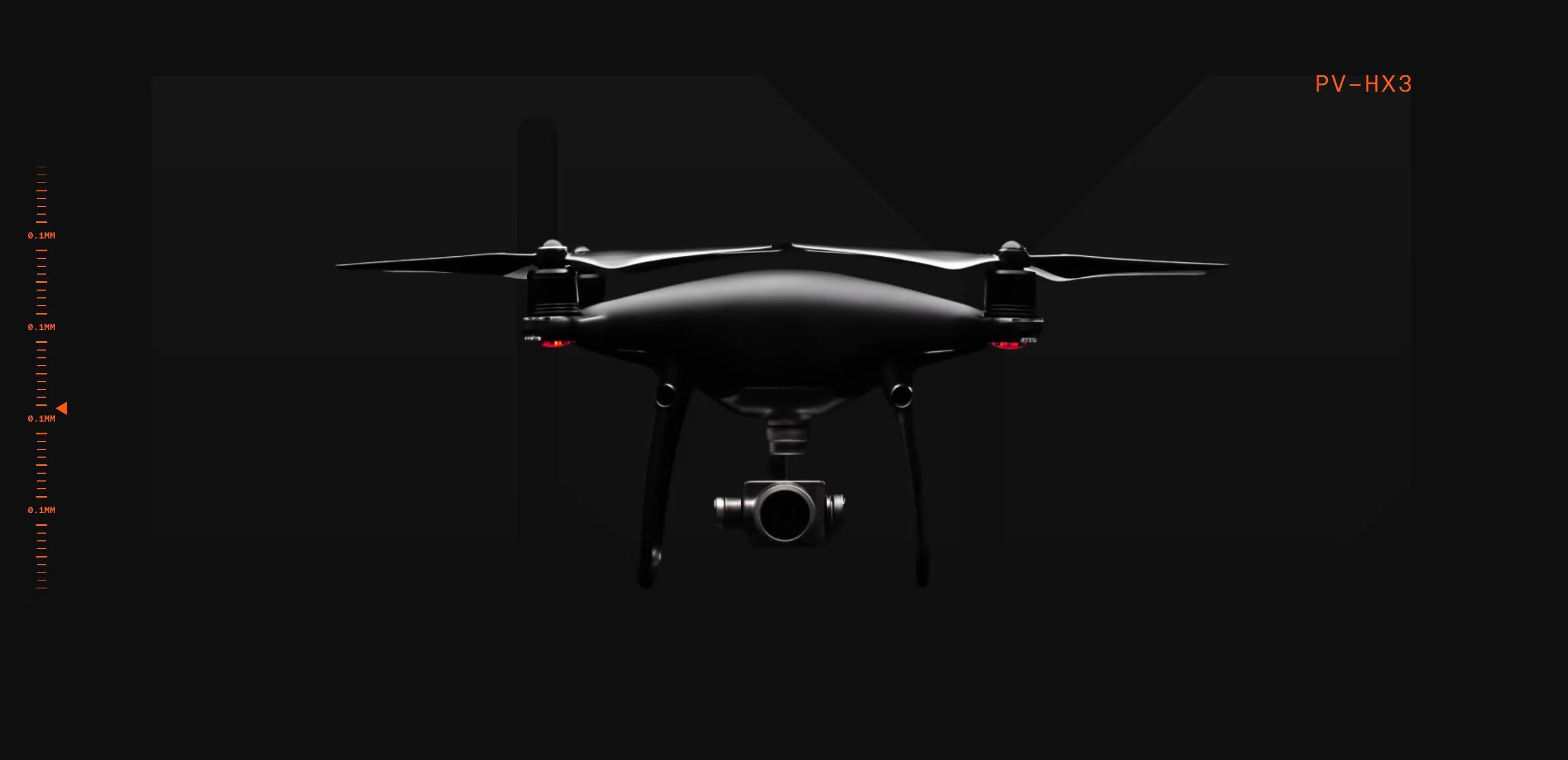
Protego plans to invest $5 million to $50 million in each company. Its first portfolio company was drone maker XTEND, which listed on the NYSE in September 2026. The portfolio also includes ASIO, which builds situational awareness systems that help military users track what is happening around them. Protego led an investment in Israeli defense-tech startup ASIO Technologies, The Jerusalem Post reported in July 2026.
Leshem brings 11 years of experience in the military and intelligence field and co-founded a startup that was acquired for $625 million in 2025. Moser will remain a managing partner at AnD Ventures while leading Protego.
To put the numbers in context, a $125 million vehicle writing checks up to $50 million points to a concentrated portfolio of relatively few bets, unless it recycles returns or invests alongside others. A dedicated, single-focus fund of this size is built for careful selection rather than broad coverage. Generalist funds can spread defense bets across a larger portfolio with enterprise or consumer holdings. Protego has no such buffer, so results will track a small number of decisions around dual-use technology, meaning systems with civilian and military uses, government buying cycles, and export rules.
The broader context here is specialization as practical support. Dedicated defense-tech capital brings investors, lawyers, and company networks used to classified work, field testing, and government customers. Those are areas generalist software investors often price poorly. In my view, that is the working case for a fund like Protego, whether or not defense tech stays fashionable. If it executes, Israeli founders gain a local lead investor that understands both business costs and deployment limits, and that is a useful thing to have.


