Caught Bag, Moving Train: What We Know About the Utica Avenue Death
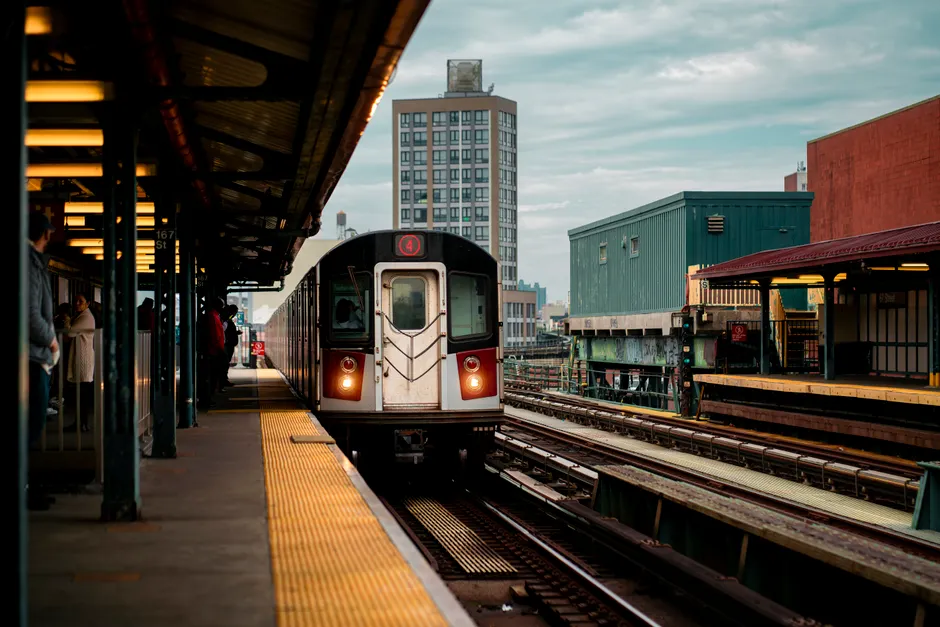
A 57-year-old Brooklyn man died on Monday evening after his shopping bag was caught between the doors of a Manhattan-bound A train as he stepped off at Utica Avenue station.
New York police identified the man as Yaw Boahene, of Brooklyn. Police said Boahene was leaving the train at the station in the Bedford-Stuyvesant neighborhood when the bag was trapped. He was then dragged backward and pulled between cars onto the tracks, according to police accounts reported by The Guardian.
Police received a 911 call about the accident at about 6:05pm ET on Monday. Responding officers found Boahene unconscious and unresponsive on the roadbed, the track bed area used by the northbound A train. EMS pronounced him dead at the scene. The cause of death is pending. The New York City Office of Chief Medical Examiner will make that determination.
A similar death occurred in 2022, when a 20-year-old man was killed after his clothes were caught between the doors of a 1 train at Columbus Circle station in Manhattan. That case involved clothing rather than a carried object, but the reported mechanism, entrapment in closing doors followed by movement of the train, was closely comparable.
Systemwide, the Metropolitan Transportation Authority (MTA), which runs the subway, reported that subway customer accidents rose by 2% in 2025. At the same time, it reported that the 12-month accident rate fell by 4.7% because ridership grew faster than accidents.
The broader context here is what those two numbers mean together. Think of it like crashes per mile driven. More total crashes can happen even as the risk per trip falls, if many more people are traveling. The first number tracks the load on passengers, crews and emergency responders. The second tracks risk adjusted for exposure. Neither number alone shows whether door entrapment itself is becoming more or less common.
Looking ahead to the inquiry, the medical examiner's finding will establish the formal cause of death, while police and transit accounts will establish movement and position. For people who follow city operations, the Utica Avenue death points to a familiar trade-off. Frequent service depends on fast boarding and quick door cycles, and each cycle carries a very small but very serious risk. When entrapment happens, death can follow in seconds.
To understand the response ahead, even isolated door-entrapment deaths tend to draw close attention from regulators, labor representatives and rider advocates. The facts made public so far do not assign fault and do not describe crew actions, equipment condition, or signal and dispatch decisions. They describe a passenger getting off, an object caught, a drag between cars, and a death on the roadbed. What follows will determine whether this case is treated as an outlier, as a repeat of the Columbus Circle pattern, or as part of the small but persistent category of customer accidents the MTA tracks each year.


