OpenAI Launches Dots, Always-On Assistants Built on GPT-6 Astra

OpenAI announced Dots, a personal agentic assistant powered by GPT-6 Astra, at its DevDay event in San Francisco, California, on September 29, 2026. TechCrunch Chief executive Sam Altman unveiled the system during the keynote address. Reuters
Dots became available in ChatGPT on September 29 for Pro and Business Premium users in eligible markets. The rollout covers ChatGPT on web, mobile and desktop. OpenAI Help For Pro users, the rollout excludes markets in the European Economic Area.
Users can launch Dots from Codex or ChatGPT. Once active, a Dot can be messaged through Slack, Teams and other organizational platforms. Text-message support is coming soon.
Dots are built to stay on. They work apart from any single device or screen, pursuing goals set by the user with little direct supervision. Agentic in this case means the software can take action on its own instead of waiting for a prompt each time. Dots can connect with more than 400 apps and learn from user feedback. Firstpost
Each Dot can be set up with its own identity, credentials and tools, where credentials means the logins and permissions it may use. OpenAI said it is working with Microsoft to integrate Dots into Agent 365 security controls.
The DevDay 2026 keynote began at 1PM ET. The Verge OpenAI had billed the September 29 event as a first look at what is next in ChatGPT, Codex and tools for building. The company held its third annual DevDay on October 6, 2025, at Fort Mason in San Francisco.
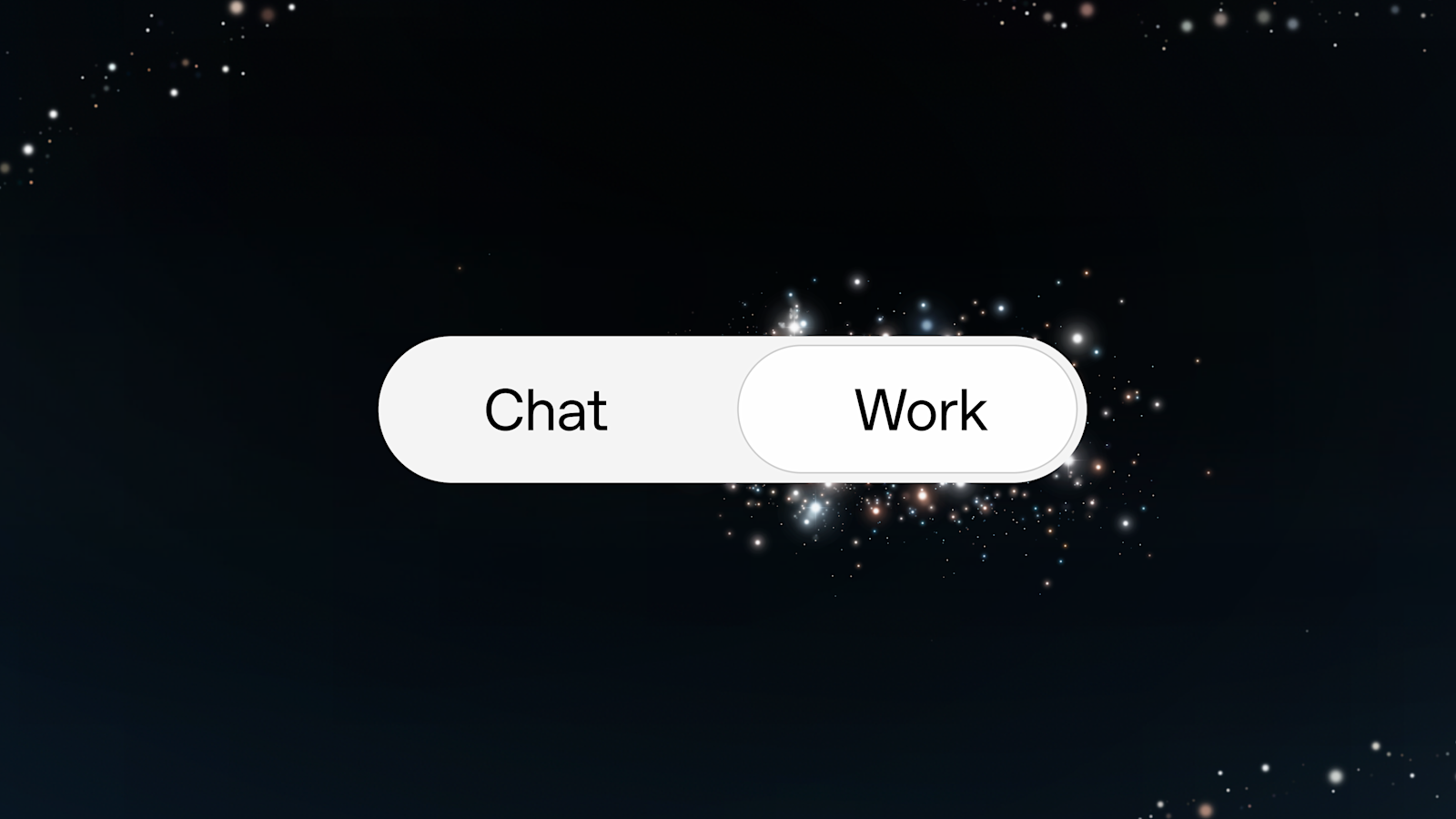
The broader context here is a shift from prompt-and-response to delegation. A chat window assumes a human stays involved at each step. A background agent with its own identity, credentials, tool grants and app connections assumes routine work moves ahead alone, with the human stepping in by exception.
In my view, that makes identity and policy the central engineering problem, not model quality. Anyone who has managed service accounts, OAuth scopes and audit logs will recognize the pattern. Tying Dots to existing controls in Agent 365, Slack and Teams is a practical need, since persistent agents add many non-human actors inside company systems. If OpenAI gets limits, monitoring and revocation right, always-on help could cut coordination work for software teams. If not, the same persistence risks scattered credentials and silent failure. The optimistic case to test first is well-bounded Dots that let small teams run more work in parallel without added process.