Six Flags to Permanently Retire X2 Coaster After Injury Lawsuits
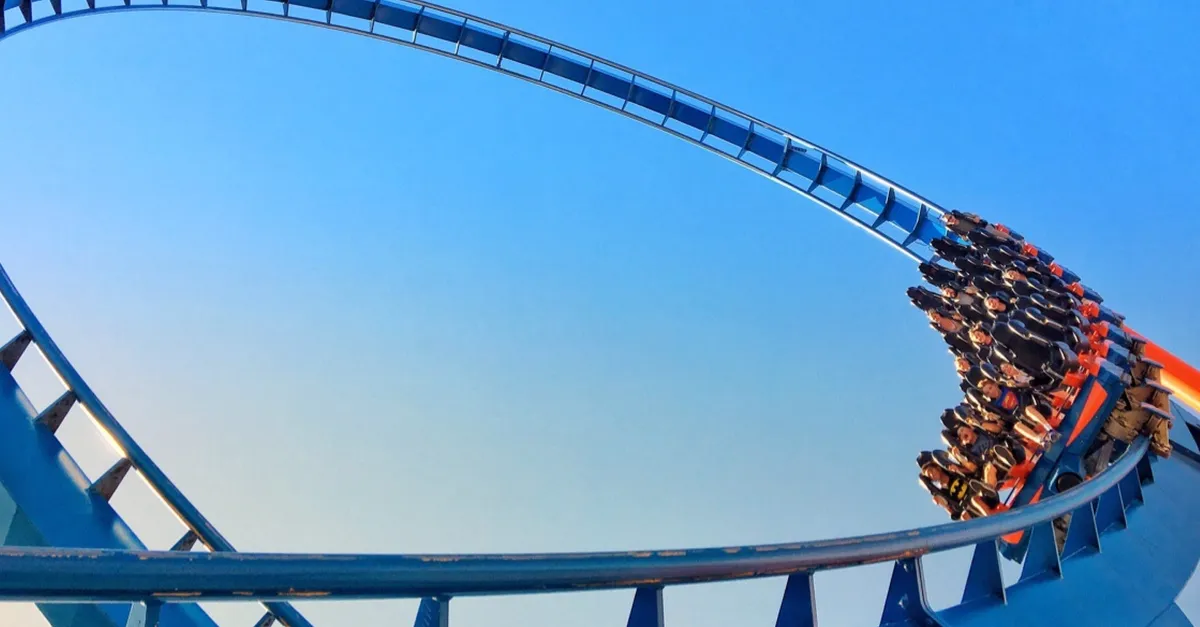
Six Flags Magic Mountain will permanently close its X2 roller coaster in California. The decision was reported on 29 September 2026. The ride has been closed since July. BBC
X2 is listed by the park as a 4D coaster at Six Flags Magic Mountain. Six Flags That means the seats spin 360 degrees while the train moves along the track, adding rotation to the usual drops and turns. BBC Six Flags said the ride had passed a range of safety tests. It said retiring X2 was "the right thing to do". BBC
The announcement came in a Park News update titled "Retiring X2," described as an operational update from Magic Mountain President Brian Oerding. Six Flags Oerding is identified as Six Flags Magic Mountain Park President. BBC
X first opened in 2002. It closed months later for repairs to design flaws. It closed again in 2007 so its trains could be replaced with lighter versions. It reopened in 2008 as X2. BBC The park says more than 16 million people have ridden X2 since that reopening. BBC
Lawsuits and news reports have alleged that hundreds of riders suffered brain injuries after riding X2. BBC Dordick Law Corporation, which filed civil lawsuits against Six Flags Magic Mountain over X2, said hundreds of people contacted the firm with injuries they believed were caused by the ride. It said some riders needed emergency brain surgery. BBC
Attorneys for riders have called X2 "defective" and accused the park of failing to adequately warn riders about the risk of head and brain injuries. The Guardian Three people have filed lawsuits alleging they suffered traumatic brain injuries, serious injuries that disrupt normal brain function, from X2. AP
A judge has scheduled a 2027 trial in a case brought by a husband and wife from Yucaipa who allege the wife suffered a traumatic brain injury from X2. ABC7
Christopher Hawley, 22, died after riding X2 in 2022. His family was represented by Brent Wisner of Wisner Baum LLP. The family settled a wrongful death suit, a civil case brought after a death alleged to be caused by negligence, with the park in August before the closure announcement. BBC
The broader context here is liability management as much as ride operations. Retiring the coaster stops future legal exposure from that hardware, while earlier claims still move through the courts on their own timelines. The park maintains the ride passed safety tests, while plaintiffs argue defect and inadequate warning as two separate legal theories. For other operators, the question is how a high-use, high-force ride with past engineering fixes is judged once injury claims build up, even after 16 million rides. With a trial set for 2027, court scrutiny will continue after the trains stop running.


