Japan's Best Quarter Meets $100 Oil: Why Stocks and Energy Disagree
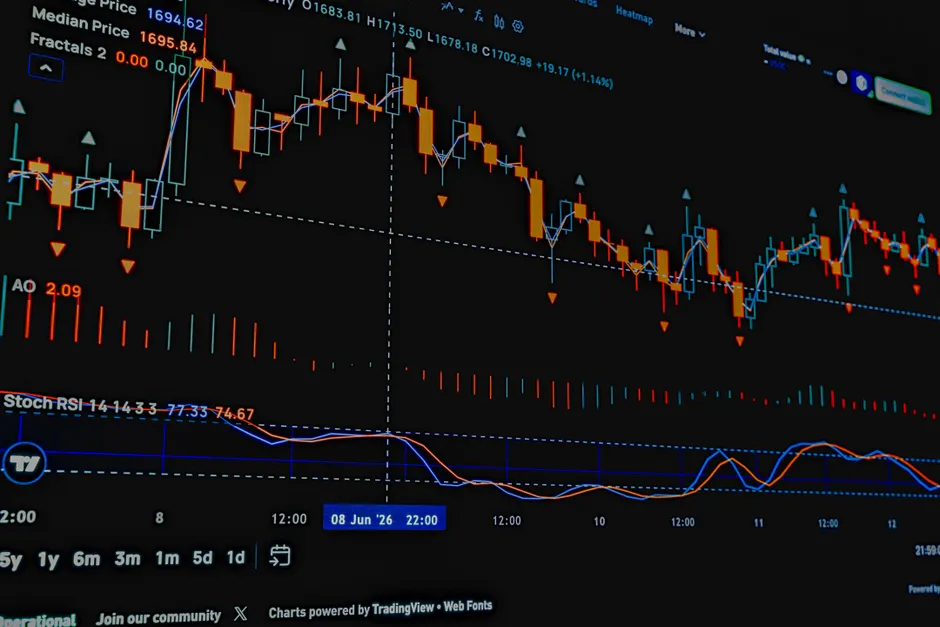
Japan's Nikkei share average posted its best quarter on record on June 30, 2026, driven by a rebound in technology stocks. Reuters reported the quarter-end result.
In September 2026, oil futures were back above $100 a barrel, according to Reuters. Futures in that month were 50% above their level prior to the war.
The broader context here is a pricing split that matters for savers and borrowers. Equities were rewarding earnings growth and multiple expansion, or investors paying more for each dollar of profit, especially in long-duration tech, firms valued mostly on earnings far in the future. Crude was charging for scarcity and geopolitical risk premium, the extra charge for war and supply disruption. Both views can last for a time. They rarely last together without forcing an adjustment in margins, in real yields, or bond returns after inflation, or in central bank expectations.
In my view, the tension sits in earnings quality and discount rates, the rates used to value future profits today. A tech-led advance concentrates gains in a few stocks and raises sensitivity to long-term growth guesses and to the equity risk premium, the extra return demanded for holding shares over safe bonds. A 50% rise in crude from a pre-war baseline squeezes operating leverage, the ability to turn sales into profit, for energy users. It widens the gap between producers and the rest of the market. The practical questions are pass-through capacity, whether firms can pass costs to customers, the cost of hedging fuel exposure, and the futures curve rather than spot alone, or expected future prices rather than just today's price. Contango and backwardation, when future prices sit above or below spot, change carry. Volatility changes the price of protection.
Looking at what this means for positioning, the trade is familiar but tight. Lower risk premia in equities alongside higher energy prices leave less room for error on inflation, a sustained rise in everyday prices. Cash spending can look resilient while real incomes erode and cash flows thin. Bonds must referee between growth optimism in stocks and inflation risk in crude. Credit must price refinancing risk, the cost of rolling over debt, against higher costs and possibly slower volumes. None of that erases a record quarter. It disciplines how much persistence to assign to it.
For investors focused on Japan, sequencing adds another layer. A record quarter resets reference points for performance, risk limits and client expectations. A later energy repricing resets cost assumptions under those returns. The issue is not whether tech can lead an index. It can, and on June 30 it did. The issue is what earnings look like net of energy, power and transport costs, and what multiple the market will pay once inflation expectations adjust. That argues for sizing duration, quality and commodity exposure together. Records describe the past. Pricing has to fund the future.


