Indonesia Suspends Five Prison Officials Over Luxury Inmate Housing
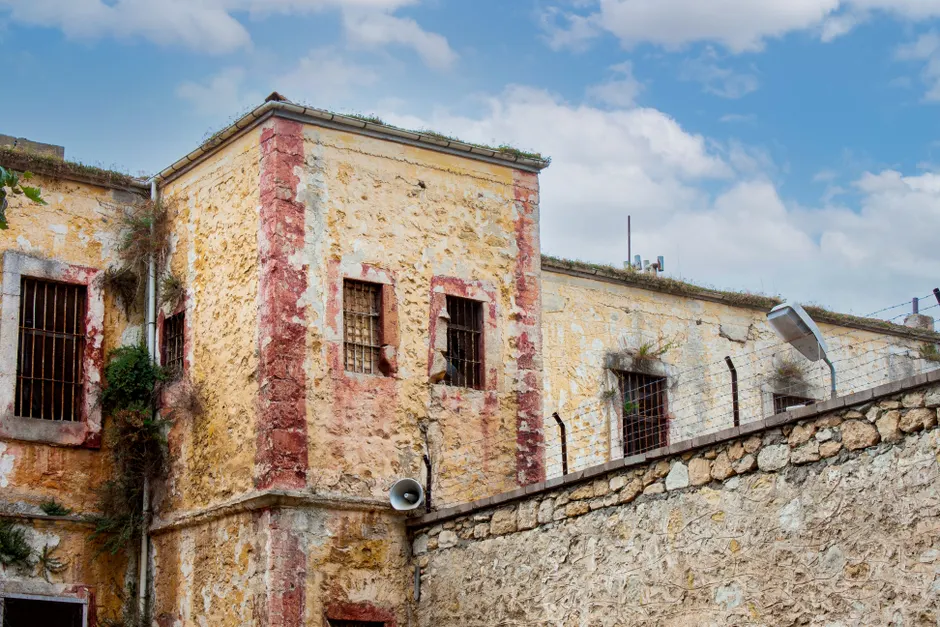
Five Indonesian prison officials, including the head of Cibinong prison, have been suspended over alleged luxury accommodation for inmates.
The case centres on Cibinong prison in Bogor, near Jakarta. Indonesia's ombudsman — an independent watchdog that checks government services — found more than 10 residential units separate from regular prison cells during a surprise inspection on 23 September, according to reporting published on 30 September The Guardian.
Those units contained air conditioners, big-screen televisions, sofas and dining areas. Investigators also found expensive cars allegedly used by inmates inside the prison compound. A gym and a golf simulator were under construction in the same residential complex.
The buildings in question were originally intended as official housing for prison personnel. The four-hectare Cibinong facility houses prisoners including those convicted of corruption and other high-profile inmates. The accommodation has separately been described as an apartment-style compound for inmates Al Jazeera.
Dozens of prisoners and prison employees have been questioned as part of the inquiry. The five suspended officers have been described as structural officials suspected of being responsible for the incident AP. Indonesian media accounts specify the group as the prison head, known as Kalapas, and four other officials.
Suspension pending investigation is an administrative step, like being benched while referees review the play. It removes the officers from operational control while evidence is collected. It is not a finding of criminal liability.
The Cibinong allegations follow earlier ombudsman findings. In December 2019, the ombudsman reported luxury facilities in prison cells occupied by Setya Novanto and Nazaruddin Ombudsman RI. At Lapas Sukamiskin in Bandung, West Java, inspectors found Novanto's room was larger than other inmates' rooms, though the facility was assessed at the time as no longer containing luxury fittings.
Other inspections from that period documented uneven standards across the system. The ombudsman described a special single-occupancy room equipped with a sitting toilet, wardrobe rack and tissue holder. During inspections of four prisons in January 2020, it found cells with different facilities that tended to be luxurious compared with other cells, alongside overcrowding and minimal public facilities.
The broader context here is familiar to anyone who follows correctional governance in Indonesia. Preferential treatment for corruption convicts has repeatedly drawn public scrutiny and institutional responses. The ombudsman's role as external inspector gives its surprise visits particular weight, and its published findings create pressure for the correctional bureaucracy to act visibly and quickly.
Looking at what this means for the current inquiry, three questions will shape what follows. First, how staff housing was converted to inmate use and who authorized it. Second, whether payments or other exchanges were involved, and how vehicles entered a closed compound. Third, whether accountability stops with the five suspended officials or extends further up the chain. The answers will determine whether this becomes another contained disciplinary episode or a lever for wider reform of oversight inside high-security facilities for white-collar offenders.


