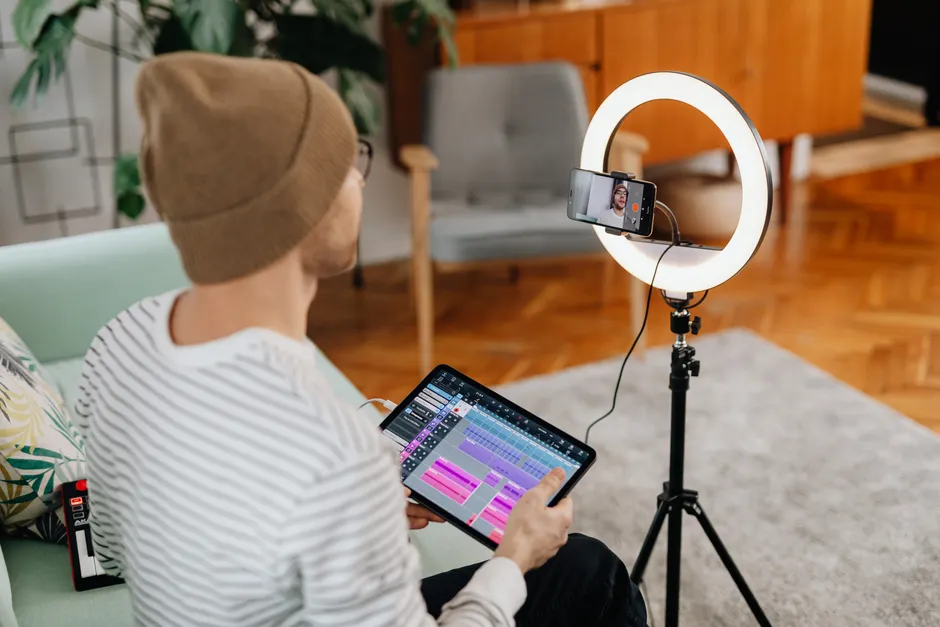
Instagram Adds a Personal AI Assistant to Its Edits Video App

Instagram is bringing an AI video editing tool to Edits, its standalone creation app. The announcement was reported on Sept. 30, 2026. TechCrunch
Edits is Instagram's competitor to CapCut. The app is led by Brett Westervelt. Meta first previewed the AI assistant in June at an invite-only creator event, and developed it in collaboration with a group of creators.
The core of the release is a conversational assistant, a chat tool that works inside the editor. It is intended to give feedback tied to a creator's own account rather than generic advice. Creators can use it to brainstorm ideas, check past performance, and refine cuts without leaving the editing workflow. A June update had already added beat markers, guides for cutting to music, alongside AI tools. Hypebeast
Personalization is built from first-party signals, data from the account itself. The assistant uses Instagram metrics including follows, views, video retention — how long people keep watching — likes and shares. It combines those numbers with comments, trending content on Instagram, and audience interests. The design goal is to spot patterns over time and surface practical steps for that specific account, not general tips.
Distribution follows a metered model. Creators get a set amount of Edits AI use, with extra use available through a Meta One subscription. Meta's creator and business subscription bundles provide verification, advanced analytics and enhanced support. Reuters Meta also said at its June creator event that it was working on an Edits desktop app, which would extend the same workflow beyond mobile capture and assembly.
The broader context here is a shift in what an editor is expected to do. Editing software long focused on timeline precision, effects and export. Analytics lived elsewhere, in dashboards checked after publishing. Edits brings those two surfaces together. Retention curves, like and share rates, comment text and trend data become inputs while making, not reviews after.
In my view, that coupling is the part to take seriously. Generic assistants can suggest hooks, captions or structures. They cannot explain why viewers drop at second four on this account, with this audience, in this format. A system wired into follows, views, retention and comments can attempt that narrower question. The hard engineering problem is not text generation. It is pulling together noisy account signals and turning them into usable editing direction, without overfitting to last week's outlier.
Worth flagging is the tradeoff that comes with that usefulness. The more the assistant knows about audience interests and trending content, the stronger its brainstorming becomes. It also narrows choices toward what already performed. Experienced creators know that tension. They will use pattern detection to iterate and ignore it to experiment. The tool will be judged on whether it supports both modes, or pushes every cut toward the mean.
Looking at what this means for creator tooling, the subscription tie-in matters as much as model behavior. Metered AI with a paid unlock puts a price on iteration itself. Verification, advanced analytics and enhanced support are now bundled with AI capacity. That is a logical package for professionals who live inside the app. The open question for adoption is whether casual creators get enough free use to learn the loop, then pay once it clearly improves retention.
I have watched my own children move from linear editing to phone-native cutting without ever opening a manual. They expect software to show, not tell. An assistant that points to a specific retention dip and suggests a tighter opening fits that expectation. Over the long arc, that kind of tight feedback tends to raise baseline craft, even if standout work still comes from judgment the tool cannot supply.