Paris Court Convicts Six Over 2021 Channel Sinking That Killed 31
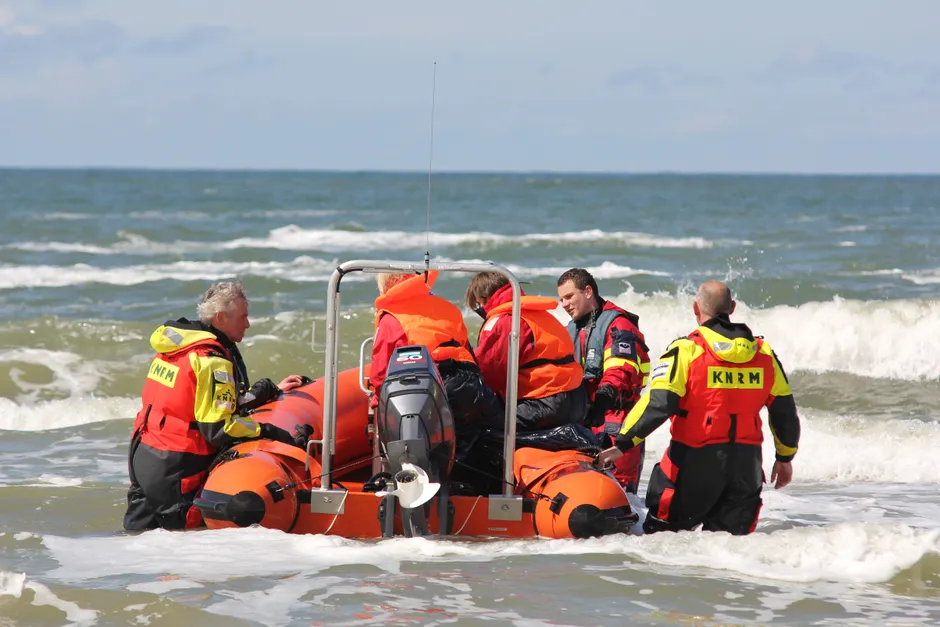
A Paris court has convicted six people traffickers of involuntary homicide over the deaths of 31 migrants in a Channel small-boat sinking. The verdicts came at the end of a four-week trial, with prison terms of six to 10 years. BBC
Seven other defendants received lesser sentences of up to four years. One defendant was found not guilty. After the verdict, the court issued six arrest warrants, because all but one of the defendants had attended the trial as free men.
The boat sank early in the morning on 24 November 2021 after sending distress calls to French and British coastguards. Only two men survived. Thirty-one migrants died. The vessel was an inflatable dinghy. According to the charge sheet, the migrants had been put to sea from the French coast in a poor-quality, uncertified and overloaded boat that was unsuitable for sea navigation and without correct life jackets.
The dead included a seven-year-old child. They were mainly Iraqi Kurds, alongside Afghans, Egyptians and Iranian Kurds.
Fourteen men went on trial in Paris over the crossing, described by The Guardian as the deadliest small-boat Channel crossing. The defendants were mainly Afghan nationals and were accused of manslaughter — causing death through serious negligence — and of facilitating illegal immigration as part of an organised criminal operation. The court found the six convicted men belonged to two cooperating networks, one Iraqi Kurdish and one Afghan, that organised the crossing.
Obaidullah Maroofkhel, who ran the Afghan network, received the longest sentence, 10 years. He was tried in his absence, meaning he was not present in court. Harem Ahmed Abawaker, described as a close aide to alleged Iraqi Kurdish network leader Bashdar, was sentenced to eight years in prison.
A UK inquiry had earlier found that the deaths of more than 30 migrants attempting to travel from France to Britain in a small boat were avoidable, in what was described as the Channel's worst migrant boat disaster. Reuters
The broader context here is a split in legal responsibility familiar to cross-border cases. A French criminal court ruled on the liability of non-state facilitators. A UK inquiry ruled on whether loss of life at sea could have been avoided. Neither proceeding substitutes for the other. Together they map two sides of accountability: who organised an unseaworthy crossing, and how states responded once distress calls reached French and British coastguards.
Looking at what this means for enforcement, the verdict leaves practical questions open. Sentences imposed in absentia only take effect if the person is located and surrendered. The arrest warrants address the fact that most defendants attended as free men, but they depend on cross-border police cooperation to work. Because the court found the Iraqi Kurdish and Afghan groups could cooperate in practice, the convictions of organisers and aides will test whether removing specific people disrupts the networks or pushes the activity to others.
In my view, the case also clarifies the limits of criminal justice as a policy instrument. Convictions establish individual culpability for a single voyage. They do not adjudicate rescue coordination, communication between agencies, or the incentives that sustain demand for clandestine crossings. Those issues sit with governments and maritime authorities. The trial record, with its detail on vessel quality, overloading and life jackets, will likely become reference material in those parallel discussions. It offers a factual baseline stripped of political framing.