Reformation Inc. Files for NYSE IPO: What We Know and What Still Matters
Reformation Inc. Files for NYSE IPO: What We Know and What Still Matters
Reformation Inc. filed for an initial public offering on the New York Stock Exchange on June 25, 2026, planning to trade under the ticker symbol REF, according to its S-1 registration statement filed with the SEC.
J.P. Morgan and Morgan Stanley are the lead underwriters. This pairing matters. Both firms are major players in IPO work, and choosing two of them together — rather than one — signals that Reformation expects large demand from institutional investors (pension funds, asset managers, insurance companies) and wants those underwriters to reach as wide an audience as possible among big money players.
The filing shows rising annual revenue. The S-1 does not yet include a price range or the number of shares to be sold, which is normal at this early stage. Those details typically arrive in an amended filing — called an S-1/A — after the company and its underwriters have tested investor interest through private meetings held before the formal roadshow.
The revenue growth matters for how investors will approach this deal. Companies with accelerating revenue growth attract different kinds of investors than slower-growing, profitable ones. Early conversations will focus on growth-oriented funds and investors who bought private shares in recent rounds. Value-focused investors — those hunting for bargains — typically wait until the company provides guidance and a clearer picture of valuation emerges.
What the filing leaves out is just as important. Net income (the bottom line), operating profit, profit margins, how dependent the company is on a few large customers, and how it finances its day-to-day operations — these details will shape how institutional investors judge whether the stock is worth buying. Without a price range, there is no official valuation anchor yet. Any numbers you see in the market right now are guesses.
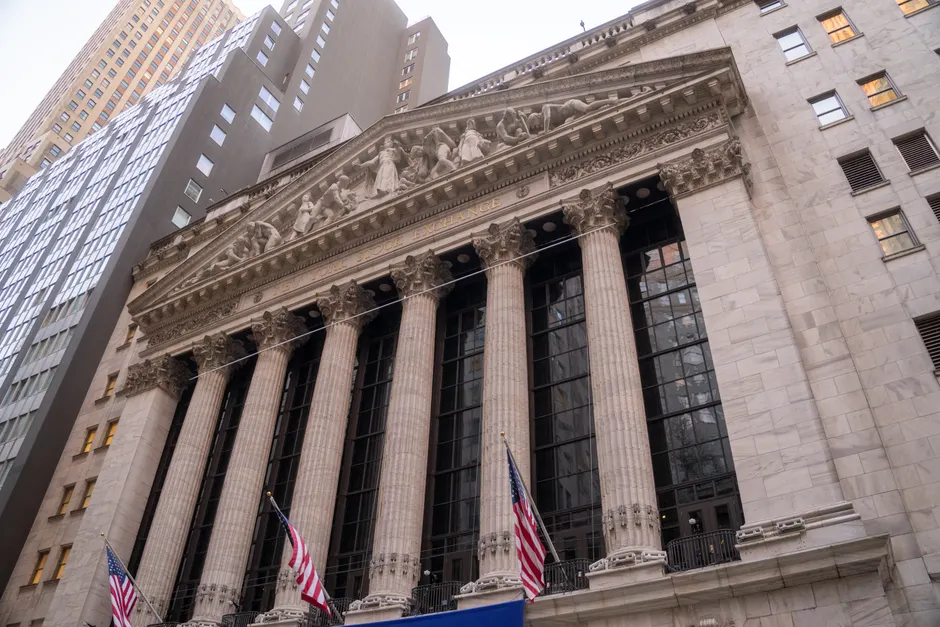
The choice to list on the NYSE rather than Nasdaq says something quiet. Nasdaq hosts most technology and growth-focused companies, so an NYSE filing suggests — without being definitive — that Reformation expects traditional, institutional investors rather than retail traders, or that the company sees itself fitting better with peers on the NYSE exchange.
J.P. Morgan and Morgan Stanley coordinating the offering means they will jointly manage the mechanics of price stabilisation in the first 30 days after trading begins. This coordination tends to smooth early trading and prevent wild price swings, though it is no guarantee — the 2021 and 2022 IPO markets showed that even well-managed deals can drop sharply if economic conditions shift between pricing and listing day.
The SEC will now review the filing. The agency typically sends its first round of questions within 30 days, and companies usually need at least one or two rounds of back-and-forth before the SEC clears them to proceed. From initial filing to first trading day, the timeline for mid-sized and large IPOs has historically run eight to twelve weeks, though SEC workload, market conditions, and the quality of the filing can shorten or lengthen that window.
What will really determine whether this deal succeeds or stumbles is the market environment when the roadshow launches. The S-1 filing is the starting gun. The actual race — whether institutional investors step up and bid — happens in the weeks after, when the company and underwriters present to big investors and gauge appetite. That is where IPO deals succeed or fail, not in the paperwork itself.


