What Happened at Tsawwassen Mills and Why the Alert Matters
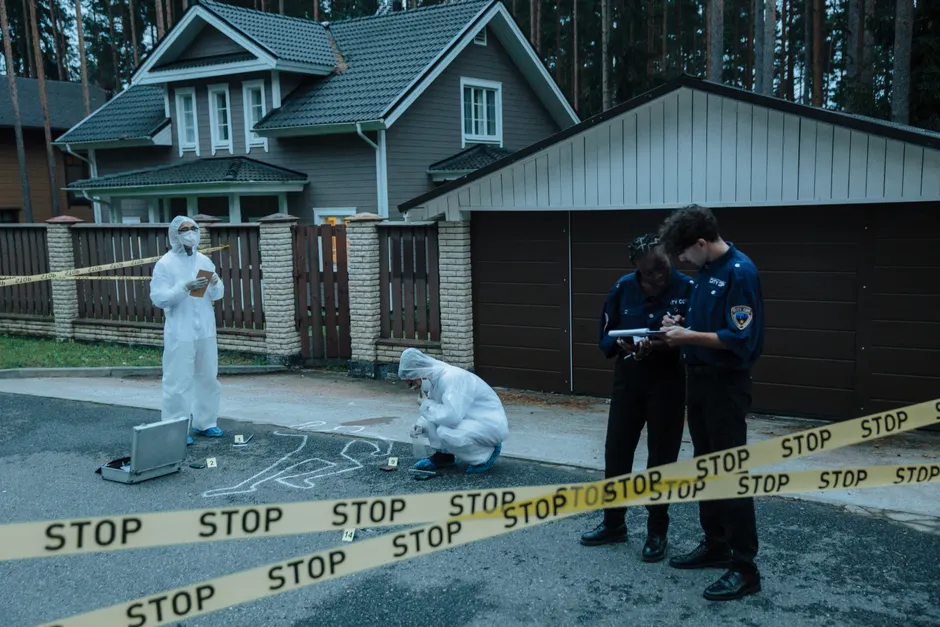
Two people died and two others are in hospital after a driver struck pedestrians outside Tsawwassen Mills mall in Metro Vancouver on Wednesday morning, Sept. 30, 2026. CBC
Four pedestrians were hit at Tsawwassen Mills Mall in Delta. The two survivors were taken to hospital. CityNews
A 'Civil Emergency Alert' was issued for Tsawwassen First Nation in connection with the incident. CityNews
Delta police asked people to avoid the area around the mall after the crash. Global News
The broader context here is why officials used a civil emergency alert for an incident at one commercial site. Such alerts are geographic instructions. They tell a defined population who may be at risk, where to go or not go, and where to get official information. If the area is too small, people who need warning miss it. If it is too large, traffic and business stop over a wider zone than needed.
In my view, the police request to stay away should be understood in two ways. It protects the public and it protects the work at the scene. Open roads let ambulances arrive and leave quickly. Fewer cars and onlookers give investigators space to record positions, speak with witnesses, and remove hazards. Malls make this harder, because parking lots and entrances combine many people on foot with cars coming and going.
Looking at what this means for public information, the numbers matter. Four struck. Two dead. Two in hospital. That wording is stark. It also reflects an early stage when paramedics, hospitals, and police confirm details on different timelines. People struck, people who died at the scene, and people taken for treatment are counted through separate checks. Early figures should be read as confirmed at that moment, not as the final record.
Looking at what comes next on coordination, several authorities are involved. Municipal police control the scene and traffic advice. Medical teams decide on transport and care. A First Nation government speaks directly to its members through its own alert. A commercial property is responsible for its grounds and shoppers. When messages agree on place, action, and duration, people can act fast. When they differ, confusion can follow even if each message is accurate alone.
In my view, the questions to follow now are procedural. How long the avoidance advice around Tsawwassen Mills will last. How investigators will rebuild the sequence outside the mall. How and when identities, medical conditions, and notice to next of kin will be handled through formal channels. What support will be offered to witnesses who were there during a morning when the site is normally busy.
Looking at the stakes for local emergency management, the test is rapid communication under pressure. An alert must be quick enough to change behavior and limited enough to avoid needless disruption. A police request to avoid the area must reach drivers already on the way and be lifted when conditions change. Hospital updates must balance privacy with the public need to grasp severity.


