Oil Steadies as Gulf Exports Recover to 98% of Pre-War Levels
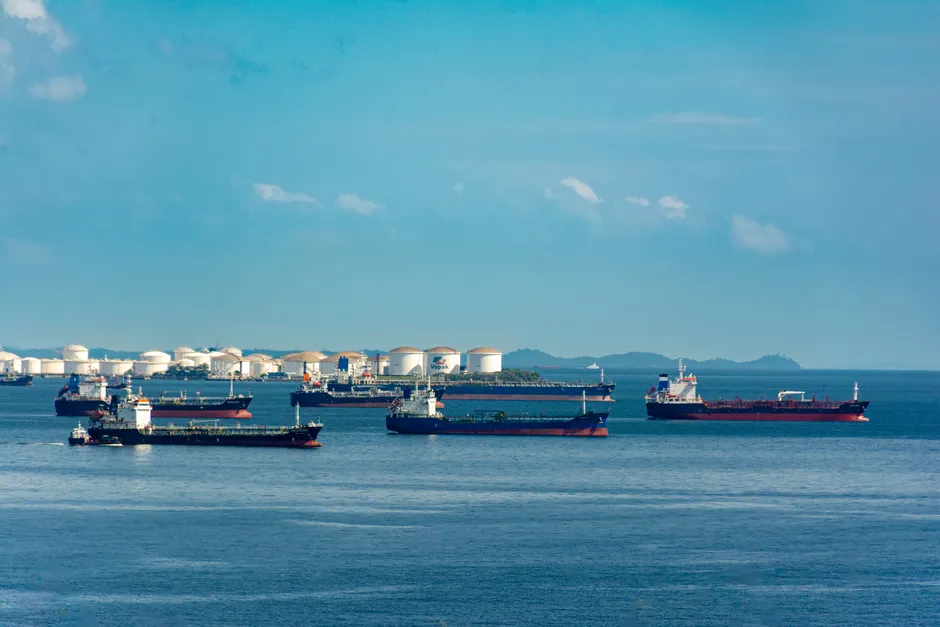
Oil was little changed in early Asian trading on Oct. 1 as investors assessed U.S.-Iran peace talks and new data on Gulf exports, according to Channel NewsAsia. Front-month crude (the contract for the nearest delivery month and the closest read on today's price) had paused after gains the prior day and steep rises through September. Trading was thin and moves were small.
Oil settled 2.5% lower on Tuesday as investors focused on signs of recovering Middle East exports, according to BNN Bloomberg. JPMorgan analysts put Middle East crude exports at 17.5 million barrels a day, or 98% of pre-war levels, according to Yahoo Finance. Futures had carried a disruption premium (an extra charge for the risk of lost supply) through much of August and September.
Iraq offered buyers October contract supplies at discounts of as much as $37 a barrel to regional benchmarks, according to Bloomberg. The discounts relate to official selling prices, the monthly prices state sellers set against a benchmark. Saudi Aramco told European term customers (buyers on long-term contracts) they would receive no Saudi crude in October, according to OilPrice. Reports at the same time pointed to rising Gulf exports overall.
Brent, the global benchmark, rose above $94 a barrel on Aug. 20 as Middle East exports fell sharply, according to The Wall Street Journal. Prices later fell on uncertainty over U.S.-Iran talks and a pickup in exports, according to The Wall Street Journal. By Sept. 15, oil had risen to four-month highs after the shutdown of Saudi Arabia's East-West Pipeline, with Houthi threats to Red Sea shipping adding to supply concern, according to The Wall Street Journal.
About 20% of global supply moves through the Strait of Hormuz, according to Reuters. Earlier, front-month futures settled 0.2% higher at $92.60 a barrel during the Hormuz standoff. The East-West Pipeline provides an alternative to Hormuz transit, and reports of its shutdown and reopening moved sentiment.
Global oil supply was projected to plunge by 8 million barrels per day in March, with Middle East curtailments partly offset by higher output outside OPEC+, according to the IEA. The U.S. EIA forecast that prices will begin to fall as Middle East exports increase gradually and shut-in production (oil held offline by outage) restarts.
The broader context here is a shift from outage pricing to clearance pricing. The August rally rewarded holders who stayed long through export drops and pipeline outages. The 2.5% daily drop on export recovery, plus deep Iraqi discounts for October, shows physical barrels doing more work than talk headlines. For savers and borrowers, that matters because fuel costs feed into inflation and household budgets.
In my view, the test is sequencing and quality, not just the headline 17.5 million barrels a day. Term allocations, grade price gaps and freight rates will show whether those barrels clear without deeper cuts. Saudi Arabia sending nothing to Europe in October while total Gulf exports rise is allocation. It pushes European refiners toward other grades while Iraq discounts to place its October program. That is why spread traders watch Brent-Dubai spreads, sour crude gaps and time spreads (differences by region, grade and delivery date) more than the headline price alone. Diplomacy sets the tail risk. Barrels set the near price.


