5% Yields and $100 Oil: Why Stocks Buckled in Late September
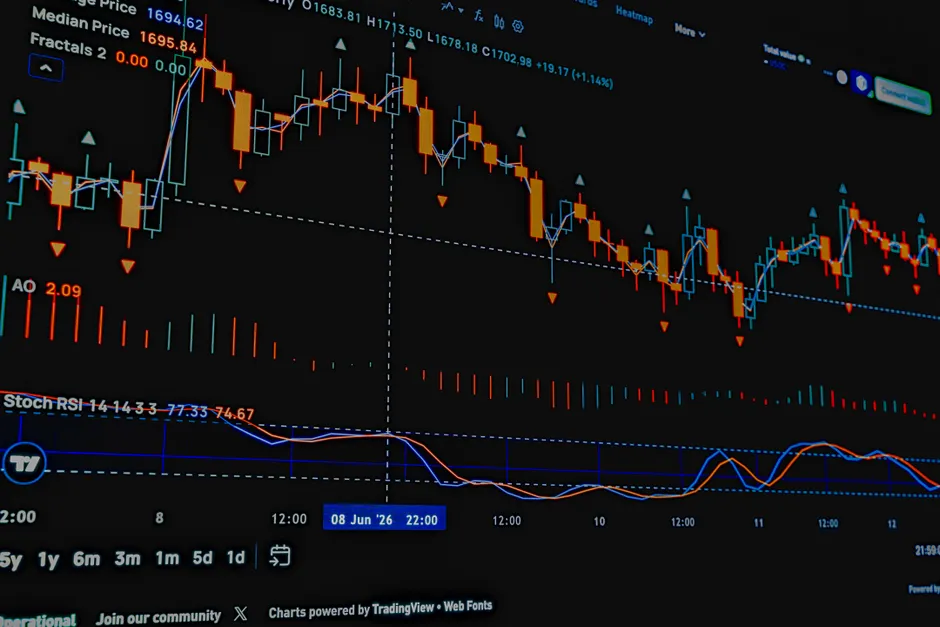
The benchmark 10-year Treasury yield hit another 19-year high on Sept. 29, while the 30-year yield rose to 5.594%. WSJ A yield is the yearly return for lending to the government, and it helps set borrowing costs across the economy.
U.S. stocks fell that session as oil prices and Treasury yields rose together. Investors were unsettled by uncertainty around a possible war with Iran. Reuters
The Sept. 29 levels capped a fast climb through September. On Sept. 22, oil was choppy near $100 a barrel while the 10-year yield hovered around 4.94%. Reuters By Sept. 25, the 10-year had hit a fresh 19-year high, up 3.4 basis points to 5.196%. Reuters A basis point is one-hundredth of a percentage point.
Equities buckled as the selloff deepened. U.S. stocks declined, with the Nasdaq falling while oil prices climbed and worries about inflation, a broad rise in prices, built. WSJ
That weakness followed AI-led strength. The Nasdaq had surged to a record-high close, lifted by Advanced Micro Devices and other AI heavyweights. Reuters
Corporate borrowing added a separate test. Six tech hyperscalers — the giant cloud companies building AI data centers — have issued about $244 billion in bonds globally this year, up from $108 billion in all of last year. WSJ
This rate sensitivity is familiar. In January 2026, U.S. stocks erased their year-to-date gains on worries about a full-blown trade war with Europe. Bloomberg In 2023, a 10-year yield above 4.5% was already described as pressure on tech stocks. WSJ
The broader context here is a collision between borrowing rates and borrowing volume. Higher long-term yields lower the present value of future profits in a mechanical way, which hurts long-duration growth stocks most. That repricing is happening while the same mega-cap names driving earnings hopes are also selling heavy investment-grade supply. When more long-term bonds must be absorbed, the market usually clears with higher term premium, wider credit spreads, or selling of other long-term assets. The practical question is absorption: pensions, insurers, foreign buyers and total-return funds, and how much extra yield, or concession, they demand with each new deal.
Looking at what this means across markets, oil near $100 adds a second tightening channel. Crude lifts headline inflation and market inflation expectations, measured in breakevens, which can keep inflation-adjusted, or real, yields high even if growth softens. Since a nominal yield is real yield plus expected inflation, both parts can rise together. That tightens mortgage rates, company borrowing costs and stock valuations at once. AI spending paid for with bonds can raise future cash flow, but it also raises debt and interest costs now.
In my view, keep what printed apart from what is priced in. What printed is higher yields, higher oil and lower stocks into Sept. 29, with record AI-led closes still fresh in the tape. What is priced in is murkier. Risks around Iran, how energy passes into inflation expectations, and digestion of hyperscaler bonds all rest on forecasts that can reverse fast. Rather than turning one session into a regime call, the useful discipline is to watch concession, differences in bid-to-cover, how new AI bonds trade after sale, and how real yields move against growth-stock valuations.


