Amazon Adds Physical Page Buttons and a Charging Dock to Kindle
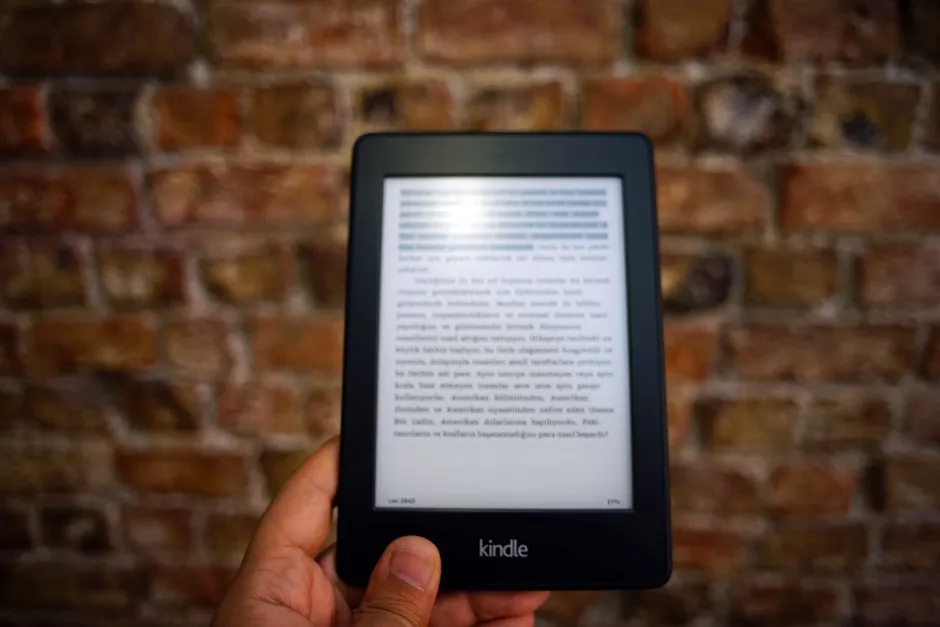
Amazon has introduced three Kindle accessories built around physical page controls and docked charging. The lineup includes the Kindle Click, the Page-Turn-Cover, and a wireless charging stand, all scheduled to be ready to ship on October 28 Engadget.
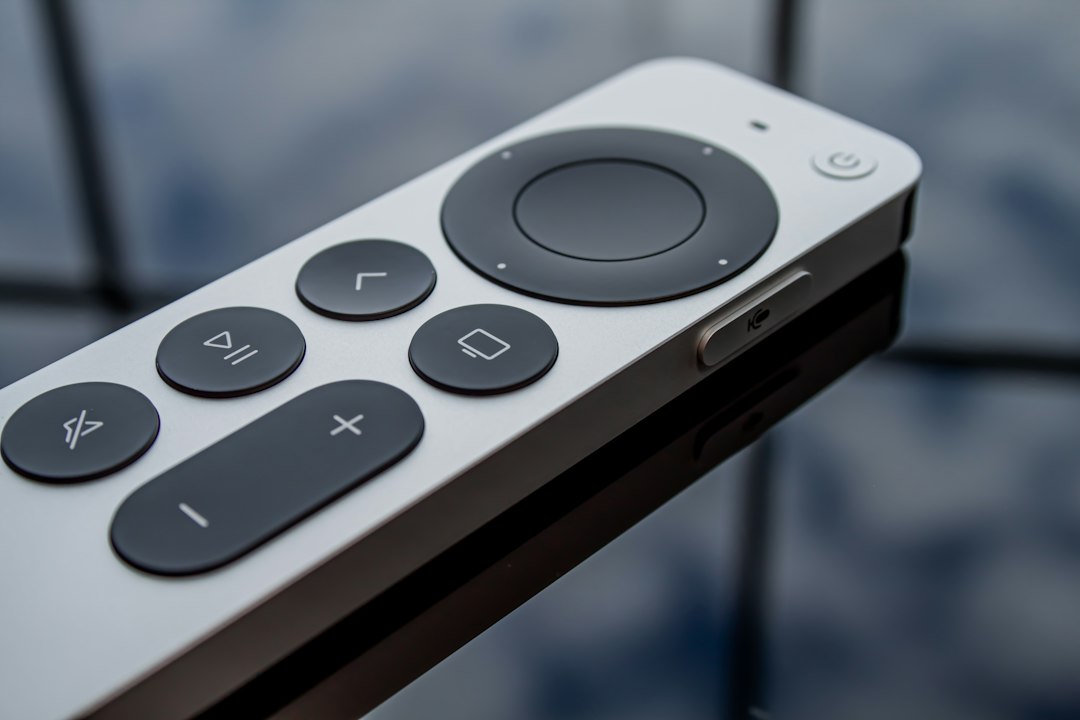
The Kindle Click pairs to a compatible Kindle over Bluetooth, the short-range wireless link used by headphones and remotes. It provides two equal-sized controls, one for previous page and one for next page. The unit includes an attached wrist strap. Amazon says the Click works with all Kindles currently shipping and all new models introduced alongside it.
The Page-Turn-Cover is a cover with integrated page-turn buttons. It attaches magnetically to the device and costs $80. Compatibility is narrow. It works only with the new Paperwhite and Colorsoft Signature Edition models equipped with pogo pins, small spring-loaded contacts that carry power between reader and accessory.
The third accessory is a charging stand for the Paperwhite and Colorsoft Signature Editions. It recharges the reader through the pogo pins and props up the device for hands-free reading. Like the Page-Turn-Cover, it depends on the pogo-pin interface found only on Signature Edition Kindles. The Kindle Click costs $35.
The accessories arrive alongside a completely redesigned Kindle family, according to Amazon Amazon. The split in compatibility is explicit. Bluetooth covers the broad installed base, while the cover and stand tie to newer Signature Edition hardware.
The broader context here is input, not just convenience. Touchscreens combined many controls into one flat surface but removed the physical landmarks fingers rely on. Dedicated page-turn inputs restore them. For long-form reading, that affects grip, posture and one-handed use. It also changes error rates for accidental taps and swipes.
In my view, the engineering choices are the more interesting part. Bluetooth separation lets the Click work across shipping hardware and future models. Pogo-pin coupling does the opposite. It trades broad compatibility for power delivery and firm mechanical alignment, with no pairing step and no separate charging to manage.
Worth flagging for accessory designers is eyes-free operation. Readers do not look at a remote while reading. Equal-sized buttons reduce the need for visual confirmation, while magnetic attachment solves placement repeatability better than a friction fit. Pogo pins then handle both alignment and electrical contact in one docking action.
Looking at daily use, the stand completes the pattern. A propped device plus remote page advancement enables extended hands-free sessions. That is a small change in hardware and a larger change in where a dedicated reader stays comfortable to use, on a desk, counter or nightstand.
The pattern over time here is that e-readers improve by removing small frictions rather than adding new functions. Physical controls and a dock do exactly that. If they work reliably, sustained reading time is the likely beneficiary.