FlyDubai Attack Explained: Co-Pilot Threat, Rescue and New Flight Rules
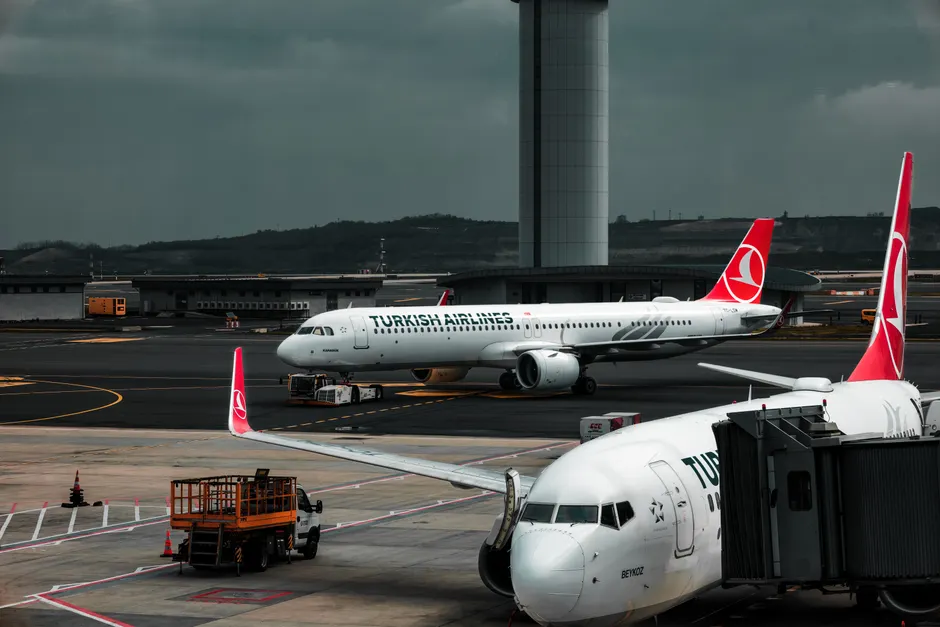
A FlyDubai co-pilot stabbed the captain with a blade in an apparent attempt to crash a Dubai-to-Tel Aviv flight carrying 174 people on Oct. 1. Passengers and crew intervened and stopped him. The incident led to a criminal investigation in the United Arab Emirates, new flight security orders in Israel, and a suspension of the airline's service on the route.
What happened on the flight
The attacker was the co-pilot, also called the first officer, the second-in-command in the cockpit. Israeli and Emirati accounts say he used a blade against the captain inside the cockpit Reuters. The Tel Aviv-bound flight was diverted.
Prime Minister Benjamin Netanyahu said this was not a hijacking. A hijacking normally means an outsider seizes a plane. In this case, he said, the danger came from inside, from the flight deck. Most of the 174 people on board were Israeli nationals, according to Netanyahu Reuters.
A pilot traveling as a passenger helped restrain the attacker, along with a plumber and a dentist who were on board The Guardian. Early reports described the fight as one pilot attacking another CNN, before officials identified the attacker as the first officer.
How Israel and the UAE responded
Defense Minister Israel Katz called it a "jihadist terrorist attack attempt" NBC News. Netanyahu said Israel will get to the "root" of the co-pilot behind the foiled bid to crash the aircraft Reuters.
Netanyahu ordered stronger security on flights to Israel run by Israeli and foreign airlines Reuters. That includes expanded pilot checks. The vetting works like an expanded background check. It would apply cockpit-crew reviews and pre-flight screening beyond El Al and other Israeli airlines to foreign carriers using Ben Gurion Airport, Israel's main international airport.
The UAE opened an investigation into the attack Reuters. FlyDubai, a Dubai state-owned airline Reuters, said it would halt service on the route after the attack The New York Times. It gave no date for restarting flights.
The incident entered domestic politics. The New York Times reported it under the headline 'Israeli Politicians Trade Barbs Over FlyDubai Attack' The New York Times. Former Prime Minister Naftali Bennett criticized Netanyahu's broad warning after the attack, according to that account.
What could happen next
The broader context here is about who has authority. When the threat comes from the crew of a foreign airline, duties overlap. The airline's home country and the country where the plane is registered usually handle crew licenses, hiring checks, and the criminal case. Israel handles risk checks for incoming flights and decides who can land at its airports. Investigators still need to show how a weapon reached the cockpit, what screening was in place, and whether Israel will add new rules for foreign airlines.
Looking at what this means for operators and regulators, three questions matter. First, how wide and how long expanded crew screening will be, and whether Israel will ask for matching checks from other countries. Second, what the UAE inquiry finds in work history, security clearances, and cockpit voice and flight data. Third, how the route suspension is managed, and whether other airlines change schedules or security for Tel Aviv flights. Those answers will shape crew-security rules well beyond this one route.


