Samsung Raises Galaxy S26 Prices Again as Memory Costs Climb

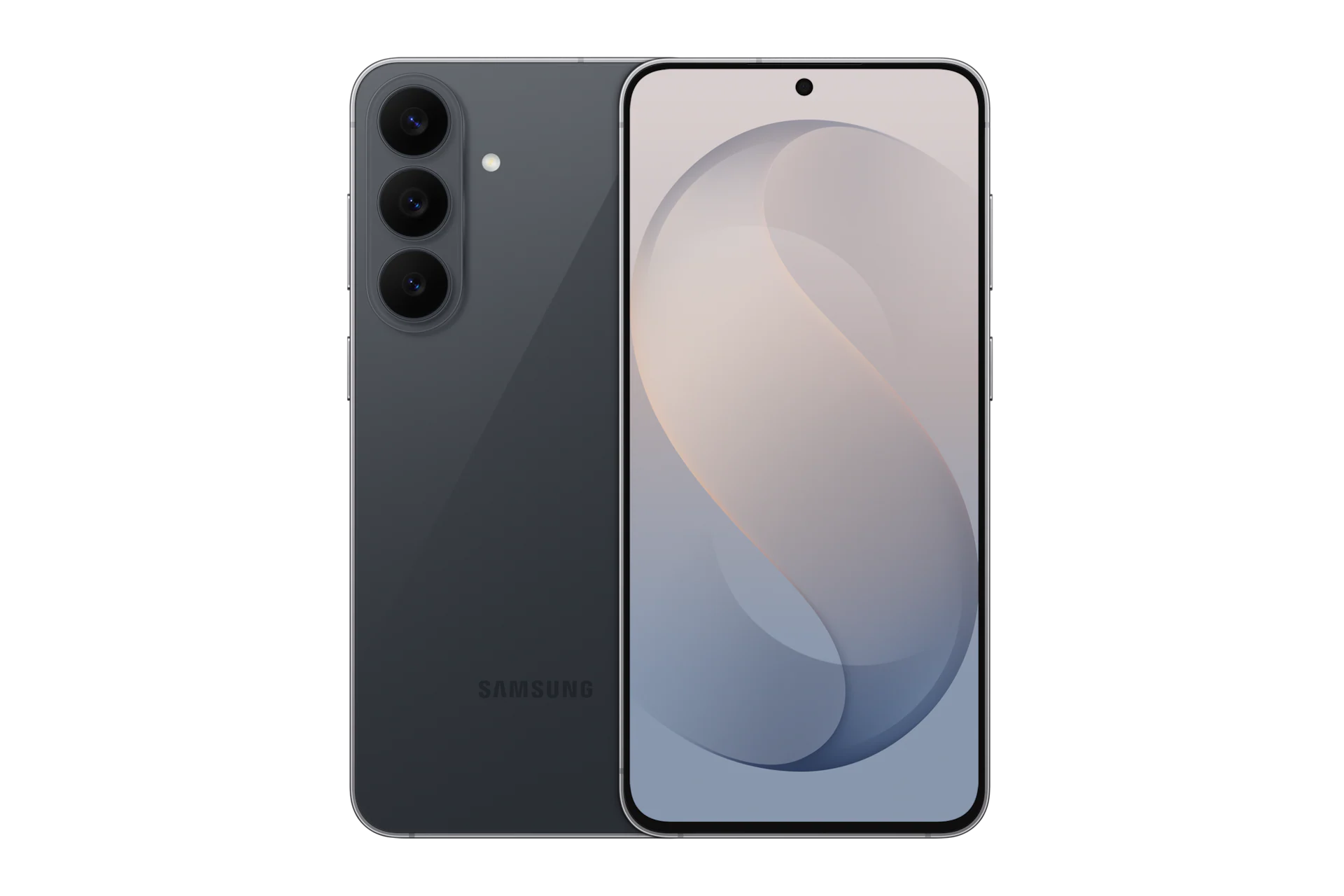
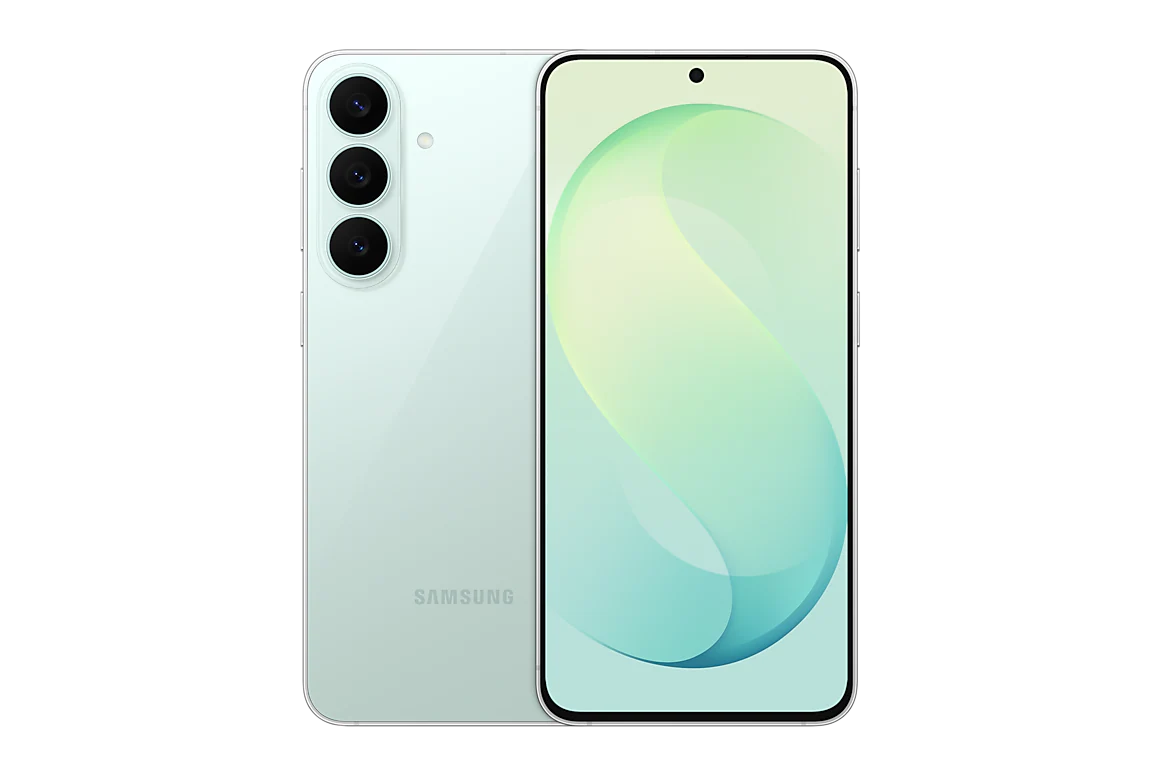
Samsung raised list prices for the Galaxy S26, Galaxy S26+ and Galaxy S26 Ultra by at least $100 on its website on Oct. 1. The Galaxy S26 FE was left unchanged.
The base Galaxy S26 with 256GB of storage now costs $1,000, which is $200 more than its Galaxy S25 equivalent. The 512GB Galaxy S26 now costs $1,200. Engadget
The Galaxy S26+ now costs $1,200 for 256GB and $1,400 for 512GB. Both storage tiers moved by the same $100 increment.
The Galaxy S26 Ultra now costs $1,400 for 256GB, $1,600 for 512GB and $2,000 for 1TB. Samsung raised the 1TB Ultra by $200 to $2,000, while the other S26 variants rose by $100.
The FE is the exception. Its price did not move in the October update.
This is a second increase for the S26 generation. Most versions were already more expensive than the prior-year models when they arrived in March. Samsung had unveiled the Galaxy S26 in February and lifted prices in key markets amid a chip price surge. Reuters Advance reporting had pointed to an Oct. 1 increase, with the South Korean S26 moving from 1,254,000 won to 1,403,600 won, about $930 to $1,040. 9to5Google
Samsung had priced the Galaxy S26 FE at $700, $50 more than its predecessor.
Samsung's mobile division posted its first-ever loss for the April-June quarter. Samsung attributed the decline in operating profit to higher costs, including more expensive RAM, the memory phones use while running, and storage components.
The broader context here is direct cost pass-through, applied mid-cycle rather than held for the next hardware refresh. Memory and storage feed directly into the bill of materials, the cost of parts for each model, much like lumber in a finished house. Those costs scale with capacity. When those inputs move, vendors have three options. Absorb the cost, reduce hardware specifications, or raise list price. Samsung tried absorption through the June quarter. It lost money doing it.
Worth flagging for fleet buyers and channel planners is how Samsung spread the increase. The lower storage tiers took a flat dollar bump, while the 1TB Ultra took double. That keeps the usual step-up pricing in place but makes the top steeper. For users who buy storage for on-device AI, large media libraries, or keeping a phone for several years, the cost per extra gigabyte just rose at the high end where it is easiest to delay, and most painful to need later.
In my view, the decision to hold the FE matters as much as the flagship hikes. It keeps an entry point for price-sensitive upgrades and bulk business buys without resetting the full lineup. The trade is plain. Mainstream buyers get continuity, while enthusiasts and power users absorb the memory market.
Looking further ahead, the long arc still favors the buyer. Silicon cycles turn, supply comes back, and today's premium storage tier becomes tomorrow's baseline. For now, Samsung is pricing what the components cost.