Lawsuits Over Fatal Minneapolis ICE Shooting Test Two Legal Paths
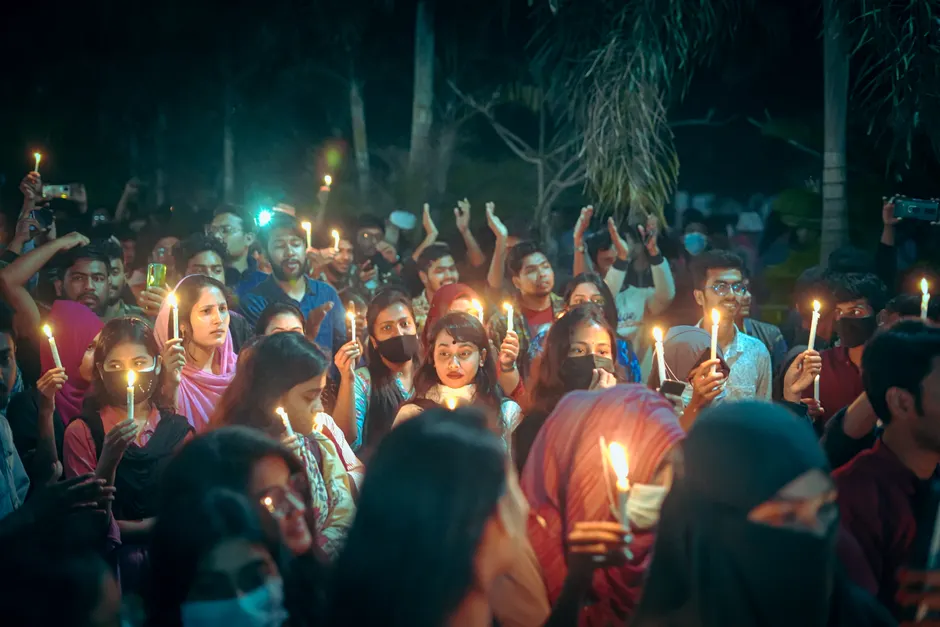
The partner and brother of Renee Good filed two lawsuits on Thursday, Oct. 1, 2026, over her fatal shooting by a federal immigration agent in Minneapolis in January during a deportation operation called Operation Metro Surge. The plaintiffs, Becca Good, Good's partner, and Brent Ganger, her brother, allege that Trump administration officials were reckless and violated the civil rights of Good and others in Minneapolis. Both complaints demand jury trials and financial damages. Al Jazeera
Good, a mother of three, was shot and killed in her car in south Minneapolis while with her wife at a demonstration against federal agents deployed to arrest migrants. The suits identify immigration officer Jonathon Ross as the shooter. They allege Ross fired into Good's windshield, striking her in the head, arm and torso. They allege she was unarmed.
The two complaints take different liability routes. The first seeks damages for wrongful death under Minnesota law, a claim brought when harmful or careless actions are blamed for a death, citing assault, battery, false imprisonment, negligence and intentional infliction of emotional distress. The second alleges a civil rights conspiracy among numerous defendants. It accuses Ross of violating Good's Fourth Amendment rights by using excessive force, the constitutional protection against unreasonable seizure and force by the government. Centre Daily
Named defendants include Ross, White House Deputy Policy Chief Stephen Miller, former Homeland Security Secretary Kristi Noem, former Border Patrol commander Gregory Bovino, and Corey Lewandowski. The family also sued the United States government over the killing. The filings are described as the first major civil actions against the Trump administration over its deportation crackdowns in Minneapolis last winter.
Federal officials said at the time that the officer acted in self-defence and that Good had engaged in "an act of domestic terrorism". Days after the shooting, Justice Department officials including then-Deputy Attorney General Todd Blanche blocked federal prosecutors from pursuing a criminal civil rights case against the agents, prompting at least half a dozen prosecutors to resign in protest. Minnesota sued the Trump administration in March to gain access to evidence gathered at the shooting scenes. No agent has been charged.
The broader context here is why two cases were filed instead of one. Think of it as two tracks: one focuses on the shooting itself and state law claims about harm and carelessness, while the other looks upward at policy and command and asks whether senior officials directed or authorized decisions in Operation Metro Surge.
In my view, the evidentiary fight will shape these cases before any jury question. With Minnesota already litigating for access to shooting-scene evidence, a halted federal criminal inquiry, and resignations inside the prosecuting offices, the record is contested. Civil discovery, the formal process for obtaining testimony and documents, offers the family a different procedural tool. Liability, immunity defenses, and competing accounts of self-defence and excessive force will now be tested in a civil forum rather than through a charging decision.