FlyDubai Flight 1073 Diverted After Cockpit Attack on Dubai-Tel Aviv Route

FlyDubai Flight 1073 from Dubai to Tel Aviv diverted to Saudi Arabia on Wednesday after one pilot stabbed the other and apparently tried to crash the aircraft. BBC
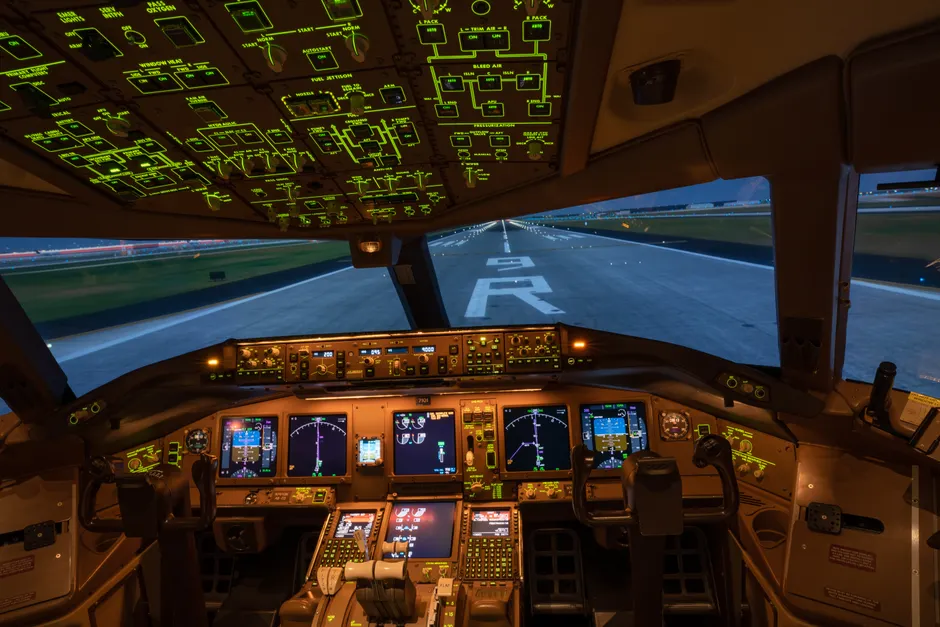
The flight was operating as FZ 1073 from Dubai International (DXB) to Ben Gurion International Airport (TLV). The airline described what happened as an altercation in the flight deck, the secure cockpit where pilots fly the plane. flydubai
More than 170 Israelis were on board. During the flight, the co-pilot stabbed the captain in an attempt to crash the plane. Reuters
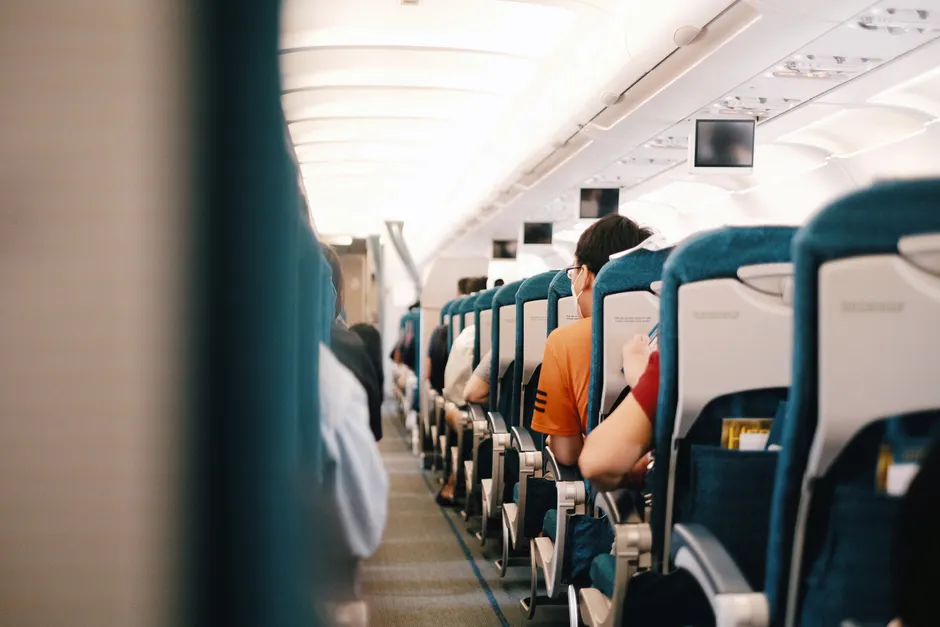
That attempt failed. Passengers and crew intervened and stopped the effort to bring down the aircraft. Reuters Several Israeli passengers joined crew members to prevent a crash. One person aboard the aircraft that made the emergency landing was Israeli passenger Yaniv Hayoun. CNN
The aircraft landed in Saudi Arabia. The co-pilot was arrested after trying to crash the plane. Reuters The passengers reached Israel safely on Wednesday after the incident. Reuters
The broader context here is operational as much as diplomatic. A struggle for control inside the cockpit is a rare and difficult type of in-flight emergency, similar to a security failure at the controls. It tests locked-door procedures, teamwork among crew, and whether cabin crew and passengers can reach and secure the controls in time. Investigators will need to establish the sequence inside the flight deck, how the injured pilot was separated from the attacker, who assumed control, and what inputs were made to the aircraft before the diversion.
Looking at what this means for carriers on the DXB-TLV sector, the diversion itself creates a second layer of complexity. A diversion for a technical fault is routine. A diversion involving more than 170 nationals of the destination state, following an alleged attempt by a crew member to destroy the aircraft, is not. It requires close coordination among the operator, the receiving authorities in Saudi Arabia where the aircraft landed, and the authorities of the destination. Passenger welfare, custody of the suspect, preservation of the flight deck as evidence, and onward transport all have to be managed in parallel.
In my view, the questions to track are narrow and practical. Which jurisdiction leads the criminal investigation, and under what aviation security framework. What the operator and the regulator disclose about crew screening, pairing, and flight-deck monitoring. And what the cockpit voice and flight data recorders, the devices that record cockpit sounds and flight details, show about intent and intervention. The answers will shape liability, regulatory response, and crew procedures far beyond one route.