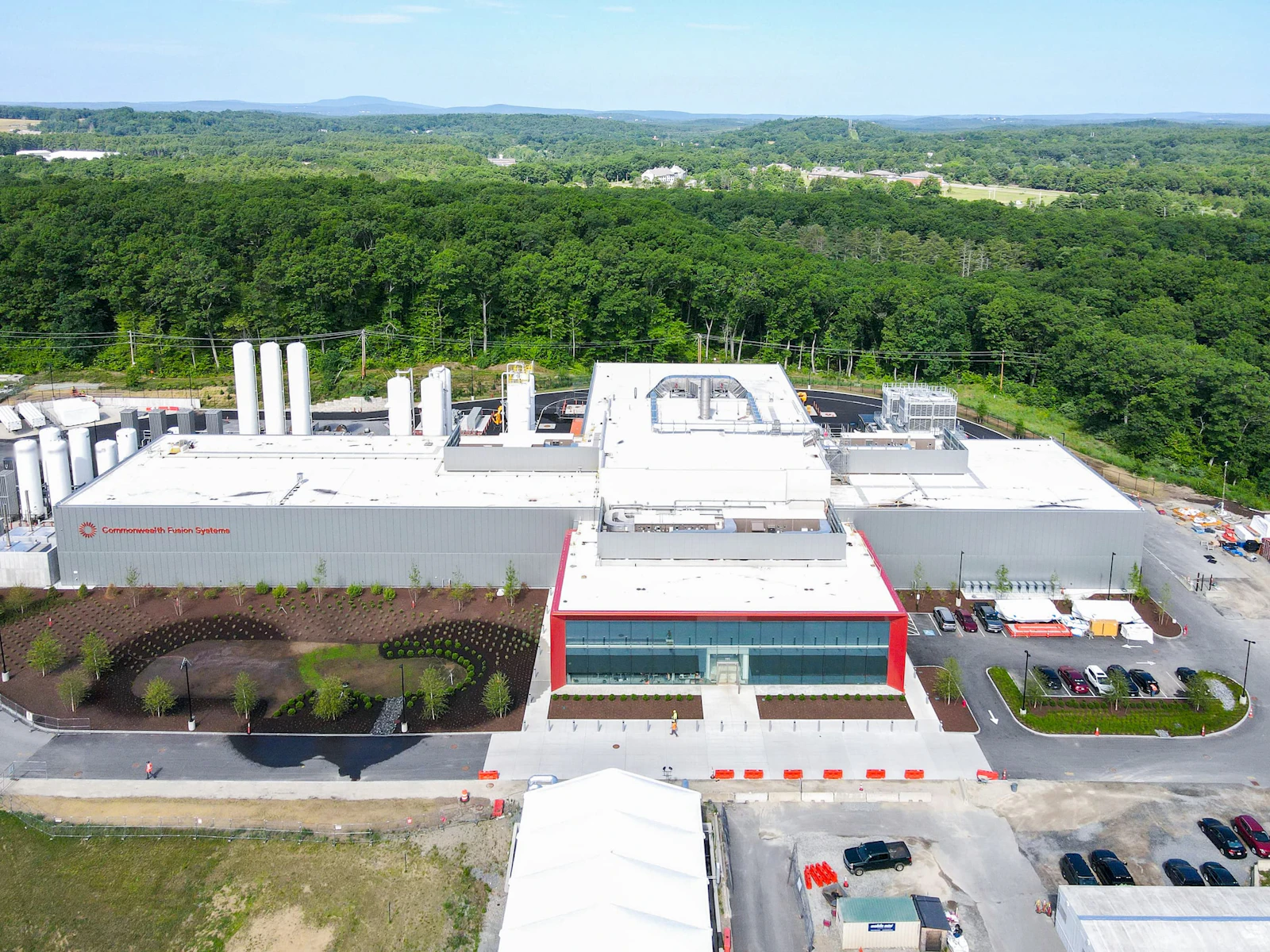
Fervo's Cape Station Becomes the First Commercial Enhanced Geothermal Plant

Fervo Energy started selling electricity from its Cape Station power plant to the grid on September 30, 2026. The company announced the start of sales on October 1, 2026. It is the first enhanced geothermal company to reach commercial operations. TechCrunch
Enhanced geothermal, in short, makes its own reservoir. Wells are drilled into hot rock that lacks natural steam, cracks are opened to let water circulate, and the returning steam drives power generation. The block now operating is one-third of a planned 100-megawatt plant. Fervo declared commercial operation at Cape Station ahead of schedule. Fervo Energy
The first block took 23 months from groundbreaking to commercial operation. Fervo aims to complete future Cape Station blocks in as little as 18 months. The company describes the goal as a repeatable build sequence.
Cape Station is located near Milford in southwest Utah. Bloomberg Fervo puts the ultimate potential of the site at as much as 4 gigawatts of electricity. The current operating block is a small fraction of what the company believes the resource can support.
Google and Southern California Edison have committed to buying power from Cape Station. Separately, Fervo signed a 3-GW framework agreement with Google in March 2026. Reuters
Fervo was founded in 2017. Co-founder and CEO is Tim Latimer. As a private company it raised more than $1.3 billion from investors including Breakthrough Energy Ventures, Congruent Ventures and Capricorn Investment Group. It then went public in May 2026 in an IPO that raised $1.9 billion. In March 2026 it had raised $421 million in new debt financing. Bloomberg
In its first-quarter 2026 results, Fervo said Cape Station was on track for first power in Q4 2026. Fervo Energy The September 30 start puts delivery just inside that window, slightly early. The company reported completion of construction of a commercial enhanced geothermal system project on July 18, 2023, and was completing initial drilling in southwest Utah for a 400-megawatt project in late 2023. AP
The broader context here is firm power and construction learning. Enhanced geothermal is designed to provide baseload output, steady power independent of weather, without a natural hydrothermal reservoir. The engineering challenge has been delivery on time and on budget at utility scale. A 23-month initial block with an 18-month target for follow-on blocks gives operators, buyers and financiers a concrete cycle time to plan around.
In my view, the offtake structure is as important as the electrons. Hyperscale buyers and a large California utility underwriting early blocks lower the risk for later phases without asking the grid alone to take a technology bet. Public equity after more than $1.3 billion in venture funding, plus project-level debt, is the standard path for infrastructure moving from pilot to fleet.
Looking at what this means for enterprise technology, dispatchable clean generation that can be sited in large blocks widens procurement options. It does not replace variable renewables or existing thermal fleets. It adds another source of round-the-clock supply that data center and utility planners can contract on multi-year terms. One point worth flagging is that scale-up still depends on drilling performance, interconnection, water use and permitting across a much larger 4-gigawatt footprint. Those constraints will determine whether Cape Station stays a successful first plant or becomes a template.