California Sets New Accountability Rules for Robotaxis
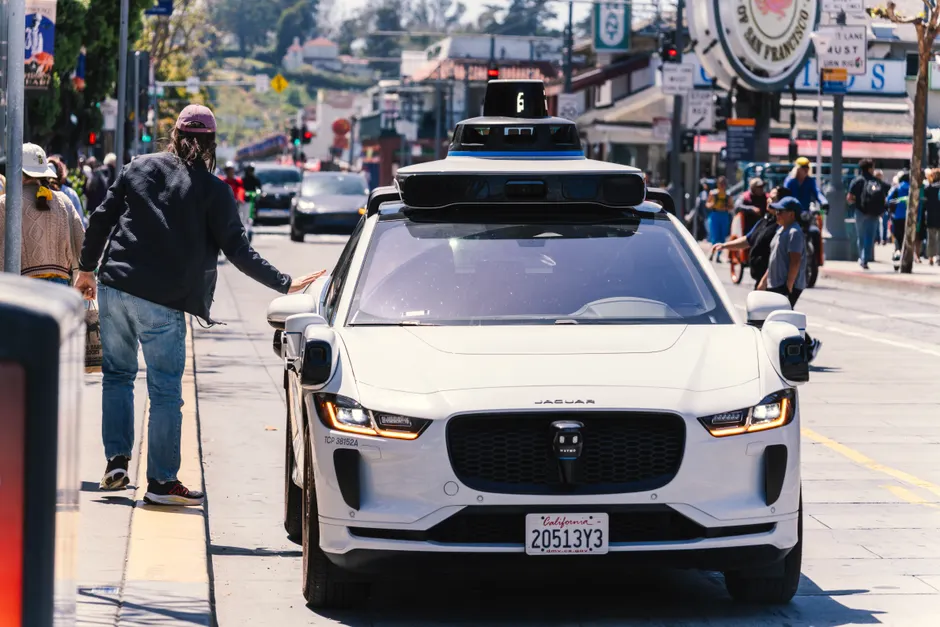
California Gov. Gavin Newsom has signed Senate Bill 1246 into law, setting new operating and accountability rules for driverless cars. The bill was introduced by state Sen. Dave Cortese TechCrunch.
The law draws a firm line around emergency response. An AV operator can face penalties if a robotaxi blocks police or firefighters for more than 30 minutes. The 30-minute threshold moves the issue from informal coordination with public safety agencies to a legal duty measured by time.
SB 1246 also requires a local presence. AV companies must provide local incident technicians to assist with AV accidents and obstructions TechCrunch. For fleets with no driver inside, that means on-call staff within reasonable dispatch distance of the service area, not only a central operations center. The work is hands-on: secure a stopped vehicle, move it where possible, and speak with officers and firefighters at the scene.
A separate section covers fleet-wide failures. AV companies must notify cities, towns and other local jurisdictions about the location and status of vehicles during system-wide failures. In practice, that is a communications duty. Operators will need named contacts, machine-readable status feeds, meaning data feeds computers can read directly, or similar reporting paths, plus procedures that start when many vehicles are affected at once rather than in single-vehicle shutdowns, often called disengagements.
The law also narrows remote staffing. AV developers may only employ remote drivers who are based in the United States and hold a U.S. driver's license TechCrunch. Remote assistance and remote driving mean off-board staff who monitor, advise or assume control. SB 1246 limits that labor pool by place and credential, which affects hiring, shift coverage, training, and records of who intervened in an event.
How it fits with other California rules
SB 1246 does not stand alone. Beginning July 1, 2026, California AB 1777 sets additional requirements for AVs that operate without a human operator in the vehicle California DMV. The Department of Motor Vehicles sets regulations for AV testing and deployment on California roads California DMV, and its updated AV regulations include updated protocols for AV interactions with first responders California DMV.
Those DMV regulations define the first-responder interface. They require annual updates to first responder interaction plans, access to manual vehicle override systems for first responder interaction, and two-way communication for first responder interaction California DMV. Together, the state pairs a legal duty under SB 1246 with administrative steps: written plans, maintained override tools, and a voice or data link between the vehicle or operator and emergency staff.
The broader context here is operational maturity. Driverless operation at city scale turned small edge cases, a vehicle stopped in a lane, a confusing construction zone, a fire line, into municipal problems. Legislators now treat incident response, fleet visibility and remote staffing as part of the AV system, alongside perception, planning and control, the core steps of sensing, deciding and steering.
In my view, the least abstract parts will change daily engineering and operations the most. A 30-minute blocking clock requires precise event logging and time-stamped evidence. A local technician rule requires staffing tied to service-area size and vehicle density. Jurisdiction notice during system-wide failures requires data sharing agreed in advance and clear definitions of what counts as a failure. None of this dictates a sensor suite or software design, but it narrows how fleets can be run cost-effectively.
Worth flagging for operators is the compounding effect. Annual plans, two-way communication, manual override access, U.S.-licensed remote staff, local response and failure reporting form a closed loop. The vehicle must be reachable, the remote operator must be qualified and identifiable to regulators, local help must be available, and the city must be informed. That is a heavier load than a test permit. Over the long arc, that structure tends to help deployment, because it gives cities and public safety agencies a predictable interface instead of ad hoc talks after each incident.