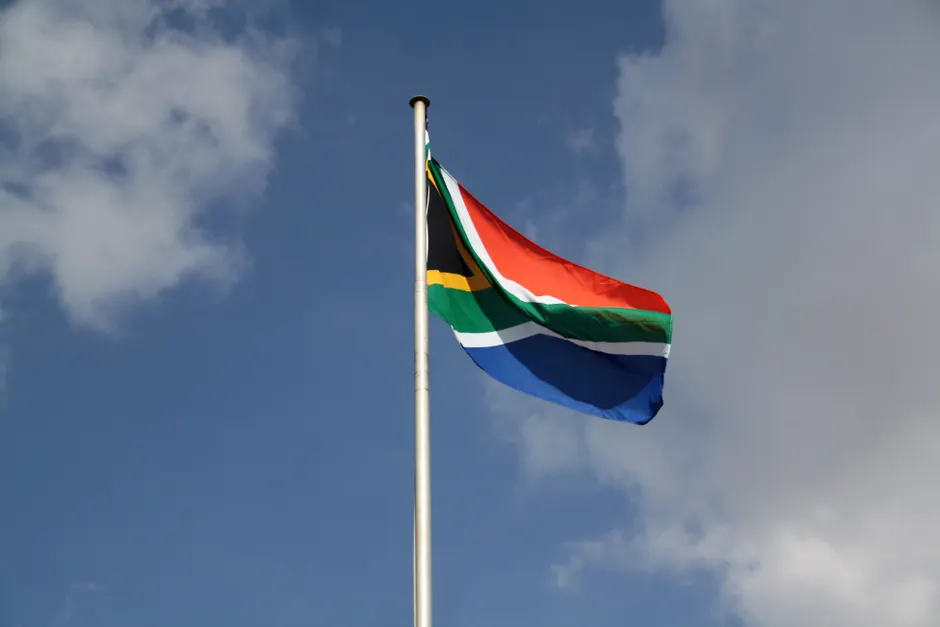
South Africa's Xenophobic Deadline: Who Set It and What Happens Next

South African police deployed extra officers across several cities ahead of June 30, a deadline that anti-migrant protest groups — not the government — set for undocumented foreigners to leave the country, according to Al Jazeera.
This distinction is crucial. AFP fact-checkers confirmed that South Africa's government never issued such an ultimatum. The deadline came from vigilante groups and protest movements operating outside official channels. President Cyril Ramaphosa called it unnecessary, according to the BBC on June 17. Still, the deadline has had real consequences: Reuters reported on June 26 that thousands of migrants were already trying to leave the country, and several cities were preparing for possible violence.
The Overstrand municipality — a local government area on the coast of the Western Cape province — complicated this picture in early June by notifying foreign nationals of the June 30 date. Immigration enforcement is a national government responsibility, not a local one, so this move blurred the boundary between street-level pressure and official state action. It undermined President Ramaphosa's attempt to distance his administration from a deadline set by outside groups.
The Enforcement Picture
The South African government has been actively targeting undocumented migration. Law enforcement arrested more than 40,000 undocumented migrants between January 1 and mid-June 2026, according to an Inter-Ministerial Committee on Migration briefing on June 14. The Home Affairs ministry also reported that deportations rose 46% over the past two financial years, totaling 109,344 people by March 31, 2026, according to an April government statement.
This enforcement push began well before the protest groups announced their June 30 deadline. It creates a thorny problem for a government trying to reject the vigilante framing while simultaneously running one of its most intense deportation campaigns in recent years.
Other Countries Respond
Neighboring Malawi wasted no time. In early June, the country announced plans to bring its citizens home from South Africa as anti-immigrant violence increased. This move reflects both the real danger migrants face and the limited protection their home countries can offer them when working abroad.
South Africa is home to one of Africa's largest populations of foreign-born workers, drawing labor from Zimbabwe, Mozambique, Malawi, and beyond. Episodes of xenophobic violence have struck before — notably in 2008 and 2015 — and they follow a similar pattern: high unemployment and economic anxiety fuel anger toward migrants, who are often blamed (incorrectly) for taking jobs or straining public services. The current situation tracks that same pattern. South Africa's unemployment rate ranks among the world's highest for a middle-income country, which amplifies the pressure.
What June 30 Really Tests
The real question about June 30 is not whether undocumented migrants will leave — they won't, in significant numbers — but whether protest groups will use force to try to enforce their deadline, and whether police can stop them.
The government faces a dual challenge. Legally and diplomatically, rejecting the vigilante deadline is non-negotiable. South Africa signed the 1951 Refugee Convention and the African Union's Kampala Convention, both of which limit how the country can treat asylum seekers and displaced persons, regardless of their documentation status. At the same time, stepping up formal deportations lets officials show they're responding to public pressure without handing control of the narrative to groups operating outside the law.
Here's the broader strategic tension: the government's approach might succeed if the next few weeks stay calm. If violence erupts and police fail to contain it, the political damage falls on Ramaphosa's administration, not on the protest groups that set the clock. If June 30 passes quietly, those groups face their own credibility crisis. Either outcome reshapes what comes next — both for the migrants still in the country and for whether the government can manage a pressure campaign it publicly disavows but cannot fully sidestep.