France Detains About 2,000 as School Protests Spread and Turn Violent

French authorities have taken about 2,000 people, most of them children, into custody since the start of a student protest movement over school conditions, Justice Minister Gerald Darmanin said.
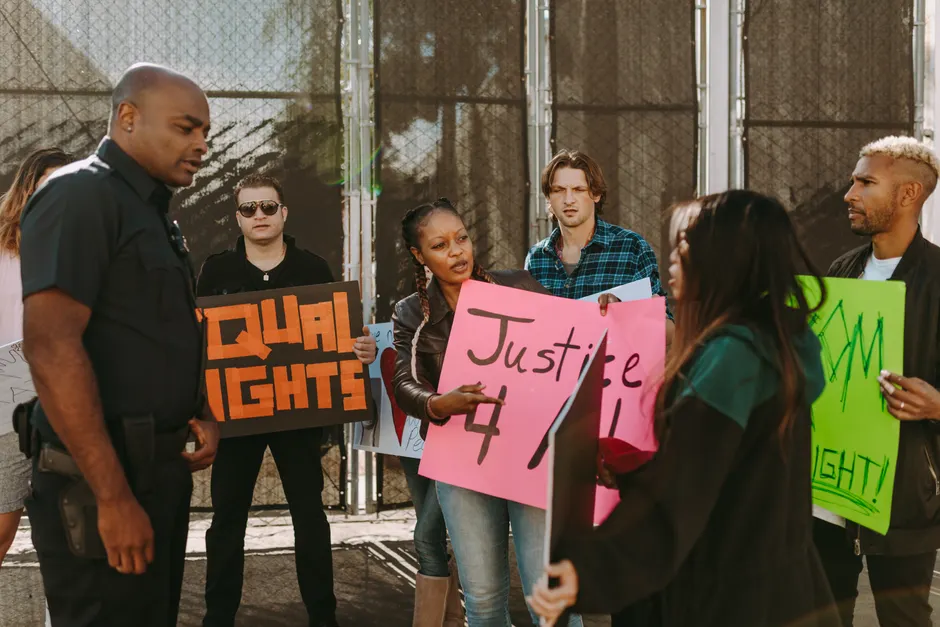
More than 560 schools were disrupted on Friday by demonstrations over education standards, and at least 65 staff members were injured in the unrest, according to France's education ministry. BBC
The protests began last week in Paris and spread to cities including Montpellier, Nantes and Marseille. On September 29, 338 schools were affected by blockades, when protesters block entrances to close a school, according to the Ministry of National Education, including Lycee Lamartine in Paris on a public-sector strike and protest day. By October 1, designated as a high-school mobilization day, the Interior Ministry reported nearly 2,000 interpellations, the French term for temporary detention by police for questioning. Incidents continued on the morning of October 2 in Paris, Lyon and Marseille despite a ban on demonstrating around closed schools. Authorities closed 400 schools with a ban on demonstrating around them.
In Pantin, a Paris suburb, police charged at protesters and made arrests after projectiles were thrown at officers. In Strasbourg, police deployed tear gas amid fears conditions would become more hostile. In Marseille, fireworks were thrown at police and teachers were inadvertently splashed with petrol at a school. Rubbish bins were set on fire in Rennes and Paris. Students fled tear gas during a demonstration in Lyon on October 1. Public transport was suspended in some cities amid the protests. BBC
Nelson Mandela high school in Nantes suffered more than 2 million euros in damage, according to the regional government. A 17-year-old was arrested on suspicion of attempted homicide after protests in Belfort where a police officer was targeted.
The Ministry of National Education had reported ten people injured in connection with blockades as of September 29. The prime minister had warned against escalation after 164 people were arrested. The government later described October 1 as a turning point from high-school blockades to urban violence. Darmanin said the situation had gone from high-school student demonstrations to a public order disturbance. Education Minister Edouard Geffray claimed the movement had been hijacked by non-students. Darmanin said prosecutors were asked to hold parents liable for damage caused by their children and to pay for repairs.
Student grievances center on conditions inside schools. Protesters cited lack of teachers, overcrowded classrooms and run-down buildings. They also cited exhausting timetables. BBC
The broader context here is a familiar French sequence. A dispute over resources produces blockades, a protest method often used in French high schools, known as lycees. The state answers with prefectural orders, decisions by local state officials that close sites and prohibit gatherings nearby. When clashes persist outside the school perimeter, the official language shifts. The word demonstration gives way to troubles to public order. Daily counts of interpellations become the main measure. Parental financial liability enters the discussion.
Looking at what this means for management of the crisis, three variables will shape the next phase. The first is containment without closure. Shutting 400 establishments reduces flashpoints but displaces students and extends disruption. The second is attribution. If authorities sustain the claim of exterior participation, negotiation with lyceen organizations alone will not settle tactics on the ground. The third is repair. A 2 million euro bill for one school focuses attention on who pays and how quickly classrooms return to use. None of those questions resolve the staffing and infrastructure complaints that started the movement.