G7 Agrees to Release 100 Million Barrels as Diesel Prices Surge
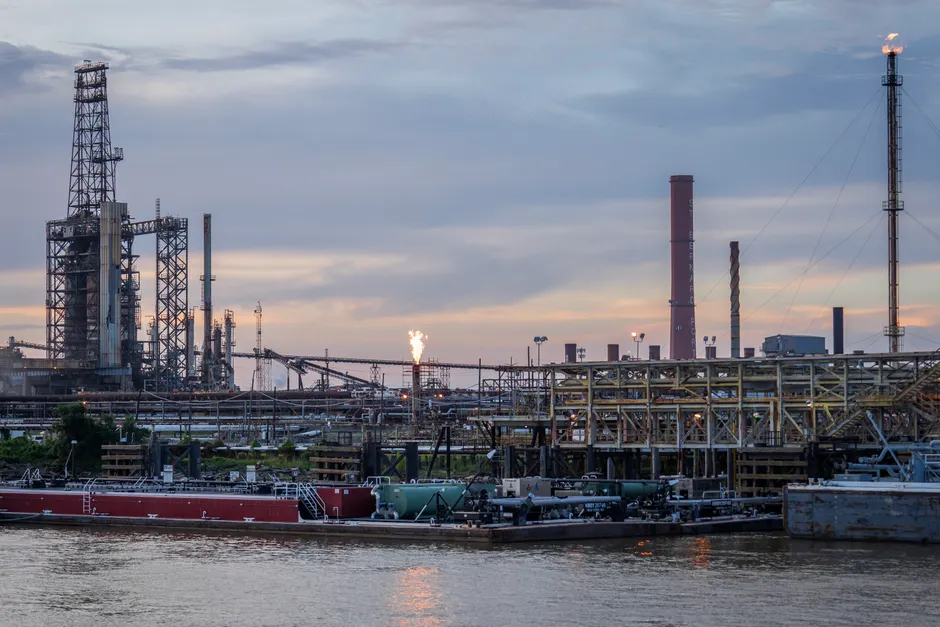
G7 leaders agreed on 2 October to release up to 100 million barrels from emergency diesel and crude stocks after U.S. President Donald Trump threatened to cut off U.S. diesel supplies. The Guardian
French President Emmanuel Macron, who holds the rotating G7 chair, called a leaders-level video meeting on Friday to discuss the sharp rise in global diesel prices and the U.S. threat to stop diesel exports unless Europe drew on its own reserves. After the talks, Macron said G7 ministers had agreed to move ahead with a coordinated release.
Under the proposal drawn up by Macron, G7 members will release 50 million barrels of diesel and 50 million barrels of crude oil, with a large share of the diesel to go out in the first 20 days. G7 ministers will discuss possible further diesel releases in the coming days if needed.
The drawdown will run through the International Energy Agency, the Paris-based body that coordinates stockholding for its 31 member states, like a shared savings account countries can tap in a crunch. Reuters Planning documents point to distribution over the next four months. France's G7 presidency published a G7 Leaders' Statement on global energy security and market stability setting out the commitment. French G7 presidency
Macron said all G7 members committed to ensuring there are no export bans, and that Trump was clear on that point. In a Truth Social post, Trump said Europe had agreed to release a massive amount of heavily stocked diesel oil starting immediately.
The agreement followed direct U.S. pressure on the two largest EU stockholders. The United States told France and Germany to release diesel stocks or face a U.S. export ban, according to sources cited on 1 October. Reuters EU countries hold nearly 109 million tonnes of emergency crude and fuel stocks under EU and IEA obligations.
Europe produces about 70% of the diesel it consumes in domestic refineries and relies on imports for the rest. The United States has been a small but politically sensitive supplier. It exported a record high of 1.9 million barrels a week to overseas buyers in early August.
U.S. supplies at home are tight. U.S. distillate stockpiles, the category that includes diesel and heating oil, fell to their lowest seasonal level since 1996. Diesel pump prices climbed above $5.85 per gallon for the first time in early September.
The scale is smaller than the last IEA-coordinated intervention. IEA member countries committed to release 62.7 million barrels of emergency oil stocks in response to Russia's war on Ukraine, followed on 1 April by agreement to make a further 120 million barrels available. The Agency coordinated the release of some 182 million barrels from public stocks or obligated industry stocks during the 2022 energy crisis.
The broader context here is about process as well as volume. The even split of half diesel for immediate use and half crude to feed refineries, plus the fast start within 20 days, aims to calm short-term prices before winter restocking. Working through the IEA lets the G7 use established rules for withdrawals, reporting and refilling rather than one-off deals between countries.
Looking at what this means for energy relations across the Atlantic, two questions will decide whether the pact holds. The first is sharing the load. No country-by-country quotas have been announced, and EU emergency stocks are held unevenly across crude, diesel and other fuels. The second is the pledge on export bans. Washington still has leverage over diesel shipments across the Atlantic, and Paris has described mutual restraint on export limits as the trade-off for European action. The planned ministerial meeting on further diesel releases will test both points, along with how markets react to the first fast batch of fuel.


