GOP Super PAC Pulls Remaining Ads From North Carolina Senate Race
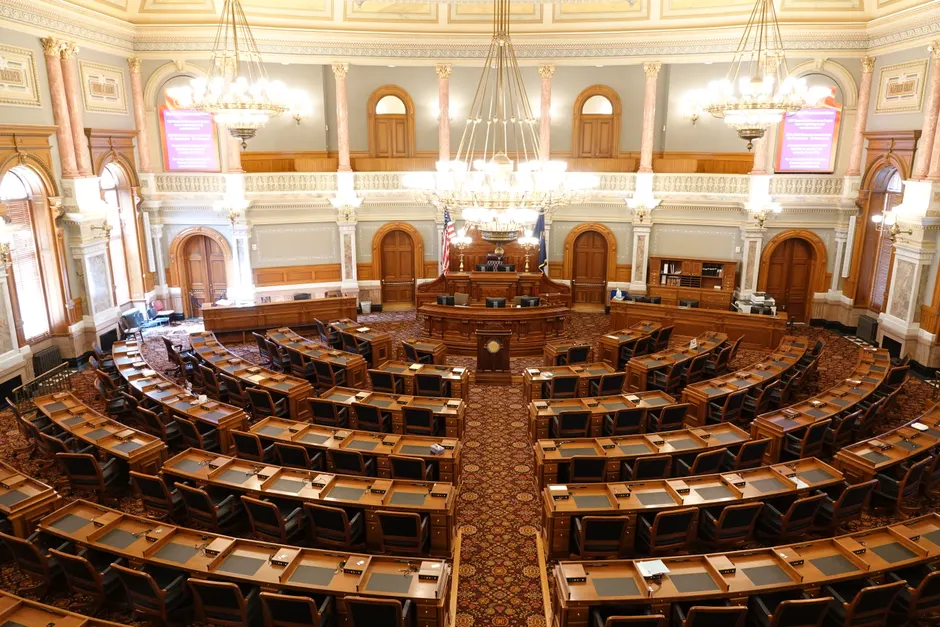
The Senate Leadership Fund has withdrawn its remaining ad spending for Michael Whatley in North Carolina and will redirect the money to other Senate races, including Kansas.
The Fund is the campaign arm of Senate Majority Leader John Thune. CNN describes it as the top Republican super PAC in Senate contests. A super PAC is an outside group that can spend unlimited sums to support candidates but cannot coordinate directly with them. The Fund had pledged $71 million to hold North Carolina's Senate seat The Guardian. It still had $30 million in ad reservations booked to back Whatley. An ad reservation is a paid booking for future TV and digital time. That booking is now being moved to support Sen. Roger Marshall of Kansas.
The $71 million commitment was made in April WRAL. The Fund had already spent $32 million on the race against Roy Cooper before halting further spending Bloomberg. A separate count put the pre-pause total at more than $30 million Semafor.
The withdrawal followed earlier cuts. A key Republican super PAC removed $6.5 million in October ad reservations from the North Carolina race in late September Semafor. In mid-September, GOP groups were still set to spend tens of millions of dollars in the Georgia and North Carolina Senate races Semafor. On Oct. 2, CNN reported the Fund was putting a pause on its North Carolina spending CNN, and The New York Times reported Republicans were pulling money from the state The New York Times.
The seat is open because Sen. Thom Tillis retired. Whatley, a former chair of the Republican National Committee, is the Republican nominee. Former Gov. Roy Cooper won the Democratic nomination.
The Cook Political Report rates the race as leans Democratic, a rating that means it favors Democrats while still calling it competitive. An AARP poll released on Monday gave Cooper an 11-point lead over Whatley. In-person early voting in North Carolina starts on 15 October. Republicans hold a 53-47 majority in the Senate, and North Carolina was expected to be important to keeping it.
The broader context here is triage over outside spending. Party super PACs work with finite cash and fixed booking windows. They protect the most efficient path to 51 seats, not every competitive seat. Walking away from a pledged $71 million race after spending $32 million is costly. It also frees late money for contests where Republican internal data may see a higher return per dollar.
Looking at what this means for the map, two points carry weight. First, North Carolina received sustained attention. More than $30 million in spending means voters have seen heavy Republican messaging, and Cooper still leads by double digits in the cited survey with voting imminent. Strategists often read that mix as a sign added spending will not shift the margin enough to justify the cost. Second, the stated shift to Kansas points to defense. Moving offense dollars to an incumbent suggests concern about holding the floor. The practical effect is a sudden gap in paid messages in North Carolina in the final two weeks before early voting and the month after. The question is whether Kansas and other redirection targets can absorb the money effectively this late in the booking cycle.