Meta Opens Muse to DIY Hardware With Gadgets Release
Meta introduced Muse Gadgets on October 2, 2026, an open-source project that lets developers build their own hardware that connects to Muse TechCrunch.
The release provides open-source firmware and a Linux software development kit (SDK). Firmware is the low-level software that runs directly on a device. An SDK is a set of tools and code for building software that works with a system.
The tooling targets low-cost developer hardware. Meta documents setup on Raspberry Pi, a small single-board computer often used for prototypes, and on ESP32 boards, tiny low-power boards common in connected sensors. The firmware and SDK handle the connection back to Muse. The code is open source. A Discord channel provides support for builders.
Suggested builds include giving Muse a color e-ink display, the low-power screen technology used in e-readers, and loading Muse onto a stick that plugs into a TV's HDMI port. Neither is a Meta product. They are reference directions for what third-party builders can assemble from the released components.
Meta also built its own reference gadget, called Muse Home Link. It is USB-C-powered and lets Muse connect to a home network and talk to smart devices including speakers and smart TVs. The company made 5,000 Home Link units to give away for free to Muse subscribers while supplies last.
Nat Friedman, head of product at Meta's Superintelligence Labs, said Home Link would be ready to ship in a few weeks. The giveaway hardware will therefore follow the software release, with the open project available for independent builds in the interim.
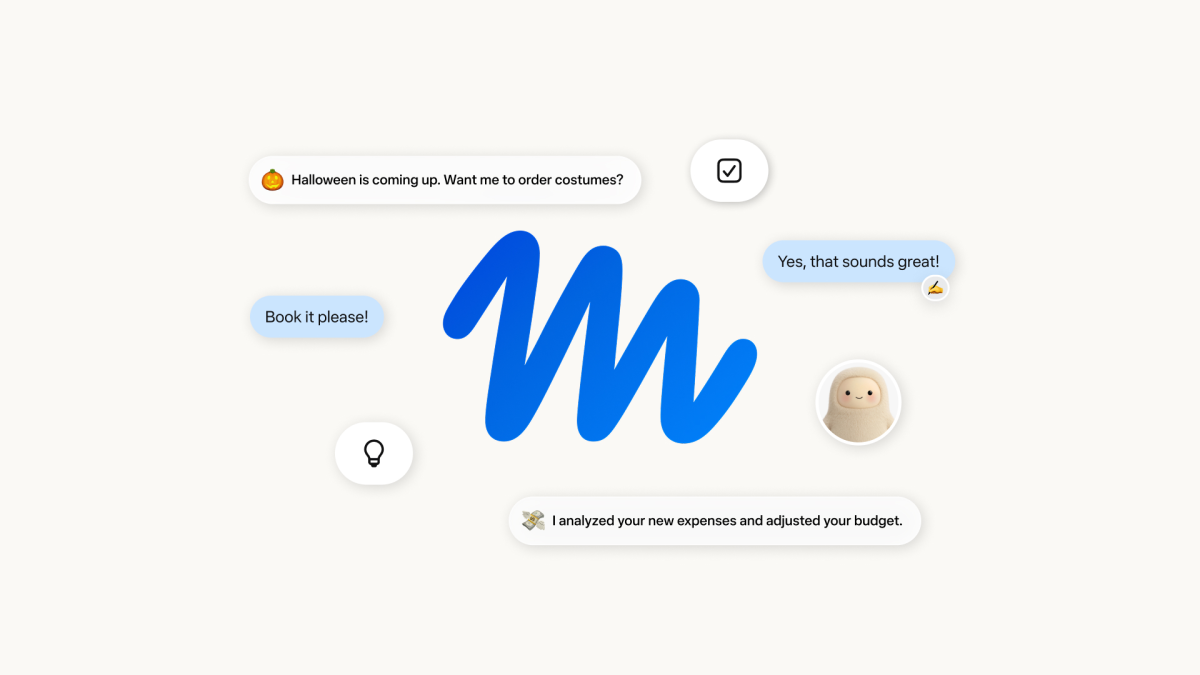
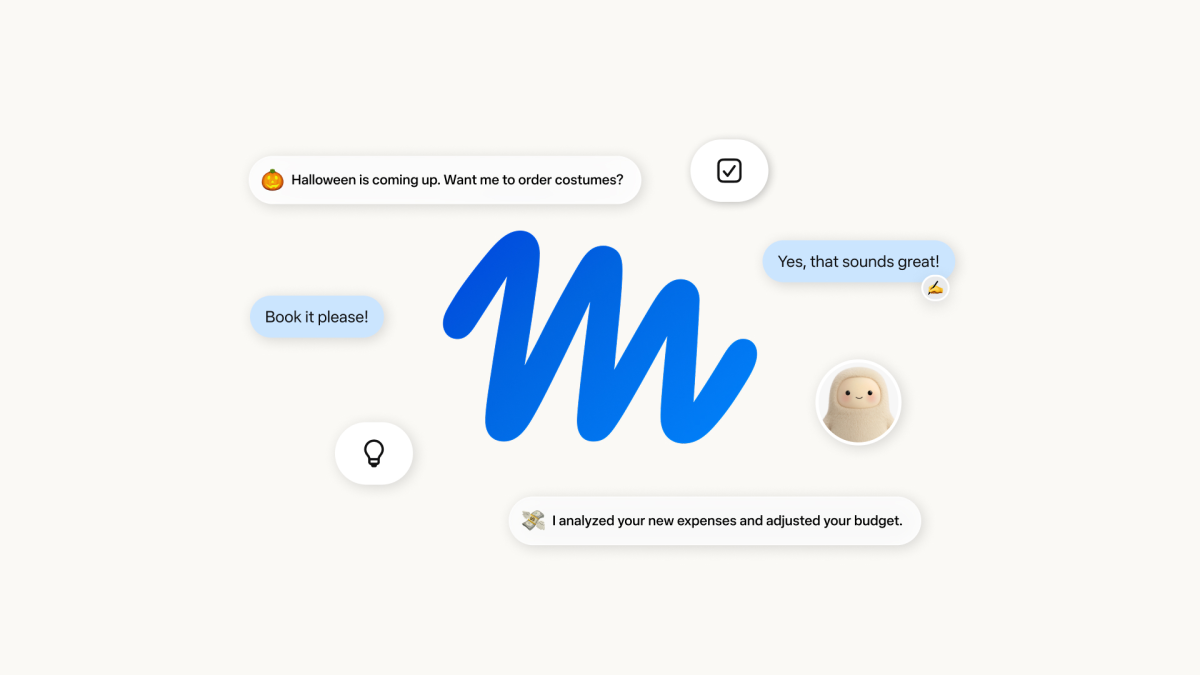
Muse is the personal AI agent that this hardware is designed to extend. Meta describes Muse as the world's first personal AI agent Meta, a secure, private system that helps people meet goals and suggests ideas. It is designed to access a person's apps across categories like email, calendar and payments Reuters, and is modeled on the open-source AI agent OpenClaw.
The Gadgets release follows other Muse-related software and device moves. Meta released Muse Glimmer as an open-weight AI model that people can download and use on a personal computer CNBC. It unveiled Charm, a palm-sized dedicated gadget for using Muse AI on the go Bloomberg. It also released a beta-test version of Muse Code, which can handle software tasks like writing code and checking results.
The broader context here is a split strategy. Charm is a fixed, portable endpoint. Glimmer is downloadable model software for a PC. Gadgets is neither. It hands the device design to developers, with Meta supplying the connection to the assistant and a working home-network example in Home Link.
In my view, that choice lowers the cost of experimentation in a useful way. E-ink consoles, HDMI sticks, Pi-based hubs and ESP32-based sensors each imply different power budgets, input methods, update cycles and trust boundaries. Developers working in embedded Linux already manage those tradeoffs daily. Giving them firmware and an SDK lets them test where a home assistant is actually useful without waiting for a vendor hardware cycle.
Worth flagging for anyone planning a build is the operational side. A device that bridges an agent with mailbox, calendar, payments, home networks, speakers and TVs concentrates privilege. Key storage, update signing, network scoping and revocation will matter more than display type or form factor. The Discord channel may answer setup questions quickly. Production use will require a stricter posture.
What this enables, if builders pick it up, is a wider surface for ambient assistance. A small display for triage, a TV stick for shared output, a low-power board for listening and control. The agent logic stays in Muse. The interaction point moves to wherever a developer can justify it.