Latvia's Election: Security, Living Costs and a Split Parliament
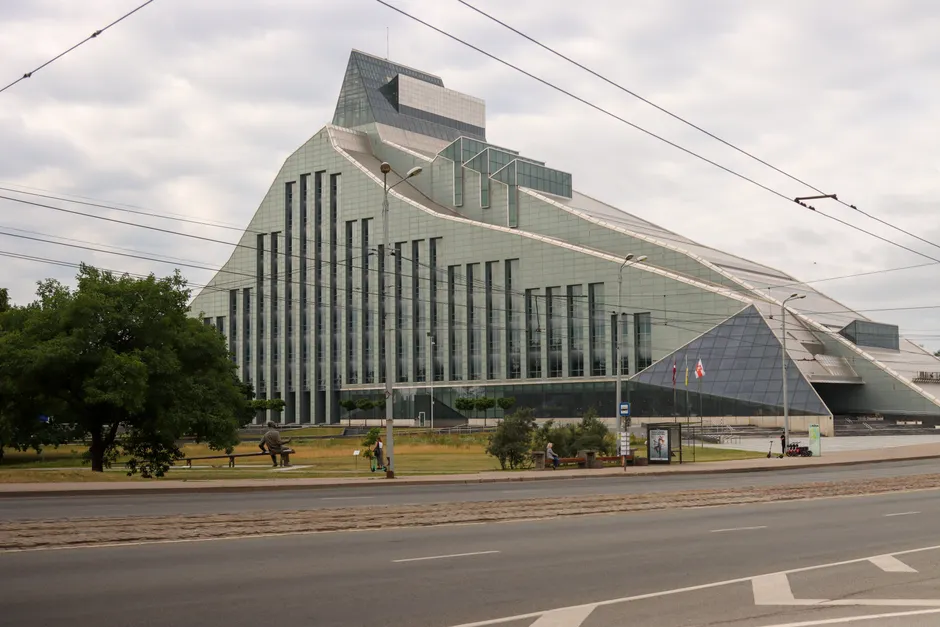
Latvians voted on October 3, 2026, to choose the 15th Saeima, Latvia's parliament.
Polls were open from 05:00 to 17:00 GMT. About 1.5 million people were eligible to vote, according to Al Jazeera.
This was the 11th parliamentary election since independence from the Soviet Union in 1991. Voters could cast a ballot at any polling station in the country, public broadcaster LSM noted. At stake is a four-year term in the 100-seat Saeima. First results were expected within hours of closing, Reuters reported.
Fourteen electoral lists competed. The rule is a 5 percent threshold, a minimum vote share needed to enter parliament. A pre-election SKDS/LSM poll found seven of the 14 could clear that bar.
Prime Minister Andris Kulbergs entered election day as frontrunner. He leads the centre-right, right-wing United List, which was polling around 20 percent and was expected to finish largest, AFP reported. Kulbergs took office in May 2026 after his predecessor resigned following backlash over stray drone incursions from Ukraine.
The campaign centered on two concerns: neighbouring Russia and the rising cost of living, Euronews and DW reported. Latvia now puts nearly 5 percent of its GDP, the total value of its economy, into defence, after raising spending since Russia invaded Ukraine. About one in four citizens are ethnic Russians.
The broader context here is what those results mean for governing. Seven parties in parliament would mean a split chamber and long talks to build a coalition, a group of parties that together holds a majority of 51 seats or more. Kulbergs has served only since May, so voters judged him largely on crisis management. Security subjects like air defence, border protection and allied NATO posture on the eastern flank are now normal election issues. Still, pressure over prices and public services limited a focus on external threat alone. The ethnic Russian share shapes debates over language, education, information space and alignment with the West.
In my view, the question for Riga and its partners is not only who places first but what coalition follows. Twenty percent does not govern alone. The talks will test whether support for Ukraine, defence spending and EU coordination hold steady, and whether cost-of-living discontent brings tax adjustments, aid payments or spending shifts. Latvia's pro-Ukraine, EU-aligned course has deep institutional roots, so elections tend to adjust tone, spending choices and coalition discipline rather than reset foreign policy. This vote judges handling of drone incursions and wartime spillover alongside economic stewardship, and signals how voters balance deterrence against household budgets and steadiness under hybrid pressure, combined military and non-military pressure.


