RAF Fairford Arrests: Six Released on Bail as Investigation Widens

All six men arrested in connection with events near RAF Fairford in Gloucestershire have been released on police bail.
The update was reported on 3 October. It covers a 25-year-old dual UK-Iranian national arrested in Westminster, London, on Thursday 1 October, and five other men in their twenties described as UK nationals from London. No charges have been announced. The investigation continues. BBC Police bail means they are free for now but must return to police if required and may face conditions.
The 25-year-old was arrested on suspicion of preparation of terrorist acts under Section 5, a law that covers planning or preparing such acts. Police searches of two properties in Westminster linked to that arrest have finished. Counter Terrorism Policing
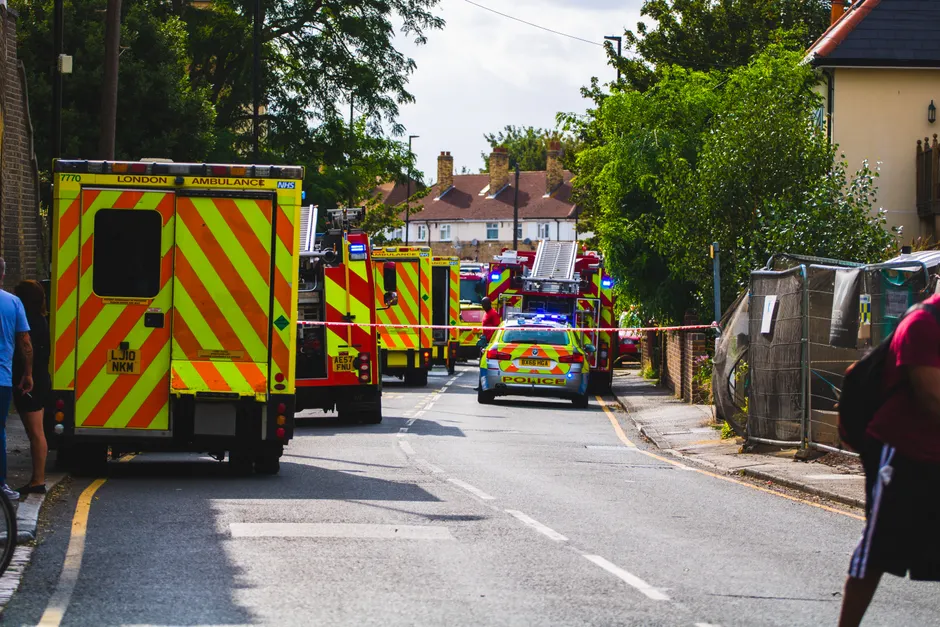
The case began after police received reports at 12:45am about three vehicles travelling towards RAF Fairford airbase. Armed officers responded in the Whelford area near the base on Sunday morning. Police declared a major incident, a formal step that brings in extra resources. Dozens of homes were evacuated. BBC
Five men were arrested in Whelford on that Sunday morning on suspicion of offences under the Explosives Act, the law covering explosives. Counter Terrorism Policing, the national network that leads terrorism-related inquiries, then further arrested those five men and took leadership of the investigation. The incident under investigation was reported on Sunday 27 September. Counter Terrorism Policing Gloucestershire Police
Counter Terrorism Policing made a further arrest on the afternoon of Thursday 1 October, the arrest of the 25-year-old in Westminster. That brought the total detained in the inquiry to six. All six are now on police bail.
Separately, Rubio said the RAF Fairford incident involves a 'foreign actor'. BBC
The broader context here is about scale and control. Bail for all six removes immediate custody deadlines while letting investigators keep working. The sequence is telling. An Explosives Act detention, followed by further arrest by counterterrorism investigators and then a Section 5 arrest in London, shows an inquiry that widened from Whelford to Westminster within days.
In my view, the next questions are procedural and diplomatic. Counterterrorism leadership, the use of preparation of terrorist acts as the stated suspicion, and public attribution of a foreign actor by a senior US political figure lift this beyond a local security response. What matters now is what was found in the vehicles and the two searched properties, whether bail conditions limit travel or association, and whether prosecutors seek charges under explosives or terrorism law. Dual nationality adds a consular issue to manage. It does not change the evidence test in the UK, but it increases scrutiny of process and information sharing. For now, the public record shows scope and status, not outcome: three vehicles, six arrests, two searches completed, and six releases on bail with inquiries ongoing.