Gen Z Cart Abandonment Shows Checkout Is Now Compatibility
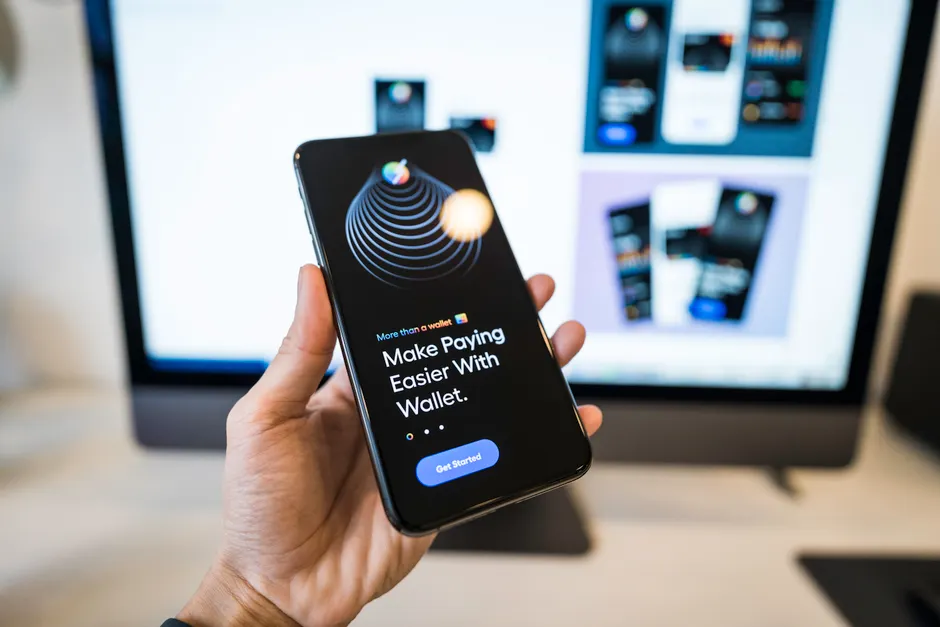
36% of Gen Z shoppers abandoned an online cart in the last 30 days because they could not pay the way they wanted. That rate is 1.7 times the overall average, according to PYMNTS Intelligence data reported by Engadget. Across Gen Z and millennials combined, about 40 million consumers walked away from an intended online purchase in a single month over payment options.
The share was 31% for millennial shoppers in the same 30-day window. It was 15% for Gen X shoppers and 8.3% for baby boomers and seniors. The pattern was stronger under financial strain. Among consumers living paycheck to paycheck who struggle to pay bills, 29% abandoned a cart when their preferred method was missing, compared with 11% of consumers who do not live paycheck to paycheck.
Wallet use was widespread in the survey. 87 million consumers, or one-third of U.S. shoppers, had used a digital wallet online in the prior 30 days. A digital wallet, such as Apple Pay, stores payment details on the phone and confirms with face, fingerprint, or device code. Among Gen Z shoppers, 47% had done so, followed by 44% of millennials. That places Gen Z as the most active age group for online wallet use in the study.
Other recent surveys reported similar numbers. Digital wallets accounted for 40% of online purchases in 2025 and 17% of in-store spending, according to a Global Payments study cited in the report. In that research, digital wallets were the preferred online choice for 9% of respondents aged 65 and older. Separate NMI research found 29% of Gen Z prefer digital wallets for both in-store and online purchases, compared with 18% of millennials and 5% of Gen X. In fashion, 19% already choose digital wallets, where they rank among the top preferred methods.
Fewer small businesses accept wallets than accept cards. Less than 60% of small businesses accept digital wallets, while almost 95% support card payments. A GoDaddy survey found 54% of Gen Z respondents had skipped completing a purchase because a business did not accept digital wallets such as Apple Pay, along with 41% of millennials.
The broader context here is practical for teams that run checkout. Payment coverage works like compatibility. A shopper arrives with tokenized credentials, meaning the real card number is replaced by a secure code, plus biometric confirmation and stored addresses. A manual card-number form feels like a step back, and that friction is enough to end the session. Cards once lived in leather wallets and then in browser autofill. For a growing share of younger buyers, they now live in the phone system, with passkeys that replace passwords, checks tied to the device, and one-tap approval. Supporting that flow takes setup with the payment provider, wallet button integration, reconciliation of sales records, refund handling, and fraud tools tuned for wallet tokens. It is plumbing work, not a redesign, but missing plumbing still blocks traffic.
In my view, retailers should treat wallet acceptance with the same seriousness as mobile page performance or inventory accuracy. I have watched my own children treat a missing wallet button the way my generation treated a declined card, as a signal to leave rather than a prompt to try another method. The PYMNTS numbers suggest that reaction is now common at scale, particularly for shoppers under financial strain who may be managing balances across specific instruments.
Worth flagging for operators is the asymmetry in cost. Adding a wallet button is a bounded engineering task with measurable effects on drop-off. Not adding it leaves a persistent, silent loss, concentrated in the cohorts that will make up a larger share of spending over time. The long arc favors fewer keystrokes and stronger device-level authentication. Stores that align checkout with that preference remove a reason to abandon and gain cleaner authorization data in return.


