Iran Says Hormuz Stays Shut Until U.S. Meets Its Commitments

Iran said on Oct. 4, 2026, that the Strait of Hormuz will remain closed until the United States meets commitments from a June agreement and accepts Tehran's conditions for reopening. Al Jazeera
Foreign Minister Abbas Araghchi said Iran had explained its conditions and hoped Washington would choose diplomacy and accept its proposal. Parliament Speaker Mohammad Bagher Ghalibaf gave more detail. He said the strait will not open until seven conditions tied to the Islamabad memorandum are met, and until the U.S. accepts Tehran's seven-day plan to reopen the waterway.
Ghalibaf, quoted by Nournews, said Washington sent some proposals through a mediator days after the U.S. replied to Iran's diplomatic proposal. He said Iran would both fight and negotiate and was neither excited nor intimidated by the latest U.S. proposals.
Foreign Ministry spokesman Esmaeil Baghaei said the two sides have different priorities. He said reopening the strait has been Iran's main goal, while the U.S. has kept its focus on nuclear talks, which deal with limits on Iran's nuclear program.
The broader split here is clear. Tehran links transit through the strait to compliance with past promises. Washington links talks to the nuclear file.
Washington rejects roadmap but predicts talks
U.S. President Donald Trump rejected Iran's proposal to reopen the Strait of Hormuz last week, hours after Iran put forward a roadmap to reopen it. Trump also renewed his threat to resume U.S. attacks on Iran after the midterms, according to an Oct. 2 update. CBS News
At the same time, Trump said he expects talks with Iran to resume in the coming week despite rejecting a truce proposal. AFP
Araghchi warned that if the U.S. takes military action again, Iran is more prepared than before and will take whatever action is necessary to defend itself.
The broader pattern here is parallel signaling. Rejection and threat on one side. A warning about defense and an open door to diplomacy on the other. Neither side describes direct negotiations as under way.
A ceasefire framework that did not reopen the strait
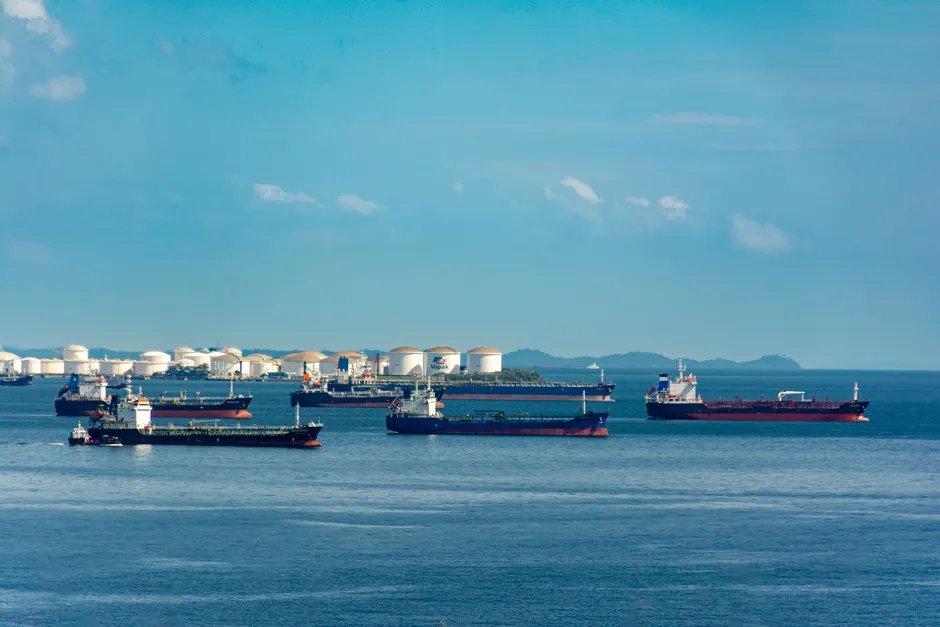
The strait has been largely blocked and disrupted for more than seven months since the U.S. and Israel launched strikes on Iran on Feb. 28. In peacetime, about one-fifth of global oil and natural gas moves through this narrow waterway, like a hallway for the world's tankers.
A U.S.-Iran agreement reported June 15 would extend a ceasefire, a temporary halt in fighting, announced in April by another 60 days. Reuters That agreement included reopening the Strait of Hormuz. It did not produce a reopening.
Araghchi discussed the management and full reopening of maritime traffic under understandings reached at a joint press conference with his Iraqi counterpart in Baghdad. Iranian Foreign Ministry On Aug. 9, Iran's security chief said the strait would remain closed until the United States meets Tehran's demands. On Aug. 18, Trump said no talks with Iran were planned, and said the strait was open to shipping, while Iran said the strait remained shut. Reuters
Technical coordination continued without transit resuming. Iran and Oman agreed on entry and exit routes for the Strait of Hormuz in mid-September. Africanews On Sept. 25, Iran offered to reopen the strait and resume talks on its nuclear program in seven days. AP
Araghchi told IRIB and IRNA reporters on the sidelines of the U.N. General Assembly that any move toward reopening depends on Iran's conditions being met. Iranian Foreign Ministry At the end of his visit to New York, he said Iran's conditions for reopening are clear. Iranian Foreign Ministry
The broader context here is a negotiation over sequencing. Iran presents reopening as an operational matter to be completed within seven days once its seven conditions are accepted. The United States treats a Hormuz proposal as inseparable from constraints on the nuclear program. That difference explains why a ceasefire extension, agreed routes with Oman, and discussion of management in Baghdad have not led to traffic.
Looking at what this means for diplomacy, the mediator channel matters more than the public statements. Ghalibaf's reference to U.S. proposals sent through a mediator, and Trump's prediction of talks in the coming week, point to indirect bargaining continuing after a public rejection. For practitioners, the markers to watch are precise. Acceptance or rejection of the seven conditions tied to the Islamabad memorandum. Any written U.S. reply beyond proposals conveyed indirectly. And whether naval practice around entry and exit routes changes before any political announcement.