India's Voter-List Protests Enter Third Day: Why the Election Chief Faces Pressure

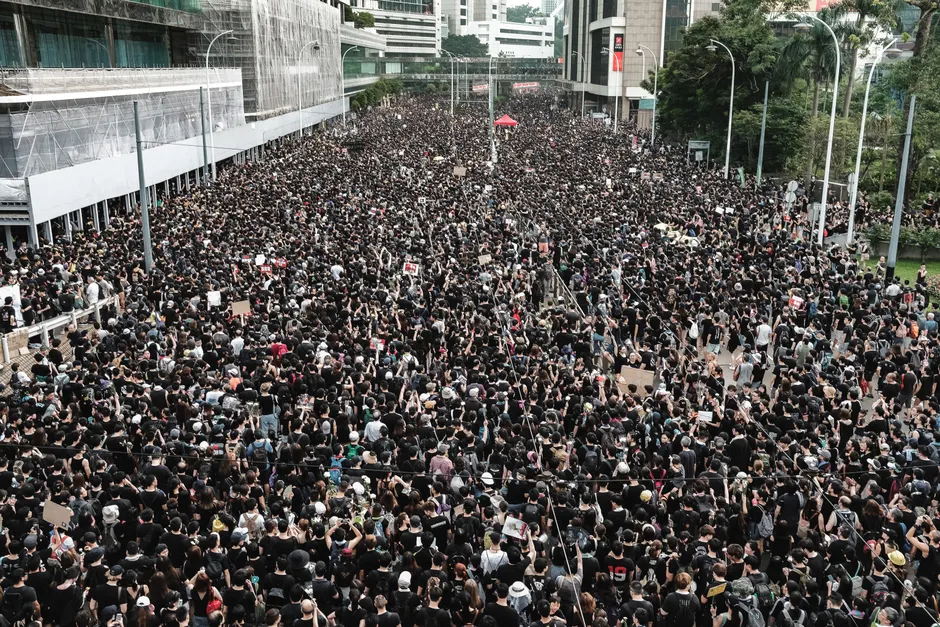
Protests demanding the resignation of Chief Election Commissioner Gyanesh Kumar continued for a third day on October 4, 2026, with youth protesters and opposition supporters rallying in Delhi and Mumbai. Reuters
Thousands marched in Mumbai on October 4, led by opposition leaders Raj Thackeray and Uddhav Thackeray. In New Delhi, protesters gathered for a third straight day, including activists from the All India Students' Association. In Hyderabad, protesters raised three demands, including Kumar's resignation.
What the voter-list dispute is about
The dispute centers on the Election Commission of India's Special Intensive Revision, or SIR, of electoral rolls. Electoral rolls are the official lists of who is eligible to vote, and a revision is like an audit to update them. Protesters allege the revision removed millions of eligible voters to help Prime Minister Narendra Modi's ruling Bharatiya Janata Party. At earlier mobilizations, protesters alleged that more than 13 crore names had been excluded from draft rolls during the SIR. The Hindu
Both the ECI and the BJP have denied that the revisions were meant to help the BJP. The ECI says the revision is meant to remove duplicate, deceased or ineligible entries and to protect electoral integrity. Al Jazeera
Policing, timeline and what is planned
Police action is now a large part of the confrontation. Police in New Delhi detained dozens of protesters over two days and registered cases against some for violating orders that ban mass gatherings in the center of the capital. On October 3, police detained protesters at a Gen Z-led rally against the voter-roll changes.
The current wave followed several announcements. On September 30, opposition parties announced plans to launch protests over alleged manipulation of voter lists. The street protests demanding Kumar step down began Friday. Citizens for Justice and Peace organised a protest on October 2 against alleged irregularities in electoral rolls and the SIR.
More actions are planned. An alliance of opposition parties plans a march to the election commission office on Tuesday as part of "save democracy" protests. Citizens for Justice and Peace has announced a protest at Jantar Mantar on October 10 if Kumar does not resign.
The ECI has responded with administrative steps as protests expanded. On September 26, the Commission ordered a review of voter-roll changes. On Friday, it directed officials to register eligible voters who had been left off electoral rolls by mistake. The Bihar SIR, the revision under the most scrutiny, uses July 1, 2025 as the reference date and was announced with house-to-house verification to ensure enrollment. The Commission later uploaded the 2003 electoral rolls of Bihar to help with that work.
The broader context here is a dispute over procedure hardening into a dispute over authority. The technical questions are narrow: how draft rolls were prepared, how omissions are corrected, and whether the review ordered September 26 and the registration directive issued Friday close the gap cited by protesters. The political question is wider, with student activists, Gen Z-led groups, civil society groups such as Citizens for Justice and Peace, and formal opposition blocs moving on parallel timelines toward the same pressure points, Tuesday's march and the October 10 deadline. That convergence helps explain why prohibitory orders and detentions in New Delhi have not dispersed the mobilization but have become part of its grievance.