Sánchez Weighs Early Election After Housing Defeats in Parliament

Spanish Prime Minister Pedro Sánchez was due to address the nation on the morning of 5 October 2026 amid speculation he could call an early general election fought on housing. Spanish media reported the snap-election option ahead of the appearance. U.S. News
The appearance was billed as an "institutional declaration," a formal statement rather than a regular press conference. He was not expected to take questions.
On 2 October 2026, the Congress of Deputies, Spain's parliament, rejected two emergency housing decrees from the government. The first failed by 178 votes to 172. The second failed by 184 votes to 166. BBC
The measures would have limited evictions of vulnerable tenants and provided for automatic renewal of tenancies. Both were framed as emergency relief. Both fell on the Friday before Sánchez's address. The Guardian
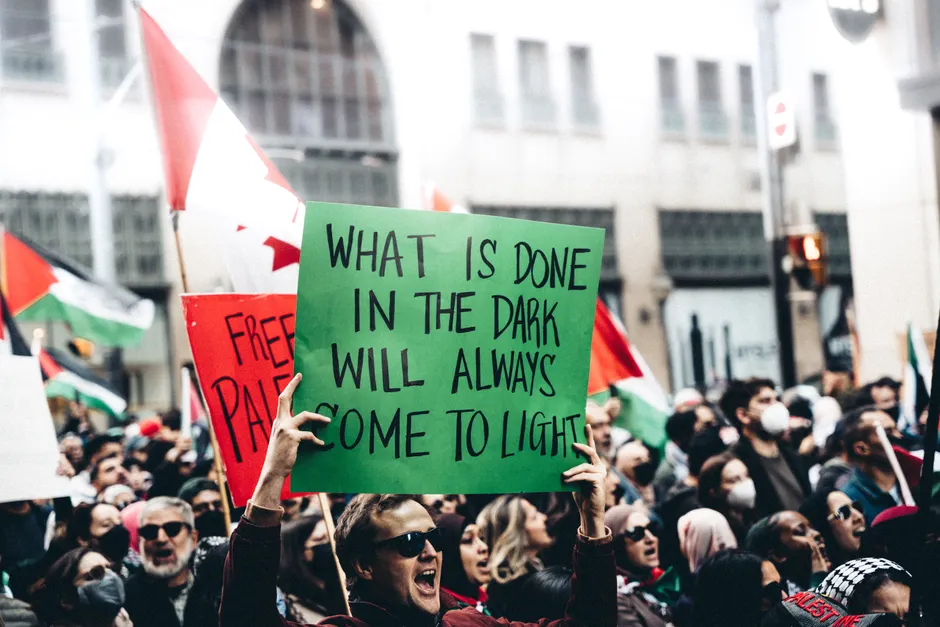
On 3 October 2026, tens of thousands marched in Madrid and other cities to demand action on rent prices and tenant protections. The mobilisation came a day after the parliamentary defeats. Organisers presented it as a direct response to the failed reforms. AP
Public anger had built a week earlier. The forcible eviction of an 87-year-old woman from her flat triggered widespread outrage and became a focal point for the housing campaign. The images circulated widely. Protesters cited the case on Saturday as evidence of gaps in tenant protection. Sky News
The next general election had been due in 2027. Sánchez had previously said he would complete a full four-year term. A dissolution now, the formal step to end parliament early, would cut that timetable short and make housing the central dividing line of a snap campaign.
The broader context for governing helps explain the stakes. Rule by decree (temporary government orders) requires later approval by parliament, known as convalidation. Losing two texts in one day shows the limits of that route. It also lays out the vote arithmetic Sánchez faces on social legislation. An election call would shift the decision from parliament to voters. That path also carries risk, since defeat in the chamber does not guarantee support at the ballot box.
In my view, the choice is between attrition and rupture. Attrition means continued negotiation of narrower housing measures, with concessions to secure passage. Rupture means seeking a new mandate and presenting housing as a question of confidence. The institutional declaration format points to a one-sided statement of intent rather than negotiation. Whether that intent is electoral will be known from his words alone, since no questions are expected.