When Ashes Are Forgotten: How England's Laws Handle the Unclaimed Dead
The cremated remains of a man named Gary Bonsor were left in a burger van at Newbury Racecourse in July 2024 — apparently forgotten. The process of giving those ashes a proper burial reveals how English law manages unclaimed death and the role of religious institutions in the process.
When a staff member discovered the urn, they reported it to Newbury Police Station. Investigators tried to identify Bonsor's family using whatever information was marked on the urn. Their search found nothing. No relatives came forward, and the ashes sat in legal limbo.
How English law resolves the question of unclaimed remains.
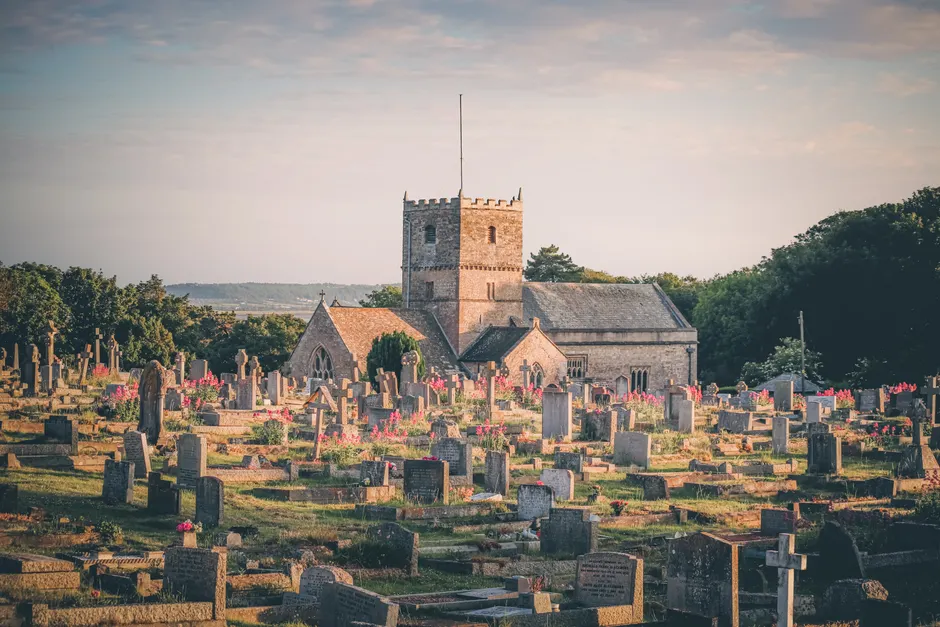
In the Church of England's system, burying ashes in consecrated ground—ground blessed by the church for religious purposes—requires a faculty. Think of it as an ecclesiastical license. A Diocesan Chancellor, the senior legal officer of a diocese, issues these licenses. In Bonsor's case, the Chancellor approved the burial of his ashes in a churchyard.
The faculty system deserves explanation. It works as a separate legal framework that governs what can happen on church land, distinct from standard planning laws or estate laws. A Chancellor acts as a judge within that system, deciding petitions that range from installing a heating system in a medieval church to burying ashes when no family is available to make the decision. The fact that officials pursued a faculty—rather than having a local government cemetery handle the disposal—suggests someone deliberately chose a dignified religious burial on Bonsor's behalf.
Unclaimed ashes occupy an unusual legal position. Unlike a body, cremated remains are not technically "property" in English law, but whoever holds them has a responsibility to treat them with care. Local councils have the power, under the Local Authorities' Cemeteries Order from 1977, to bury unclaimed ashes. Coroners can also order disposal in specific situations. The church route taken here is less common and requires someone identifiable—likely the police, the racecourse, or a church official—willing to take responsibility for seeing the process through.
Why the ashes were left at a racecourse remains unclear.
Racecourses see large, shifting crowds daily. People leave belongings behind all the time. An urn is not a coat or a phone, yet the mechanics of how it was forgotten are probably straightforward: grief clouds judgment, and the noise and movement of a day at the races could cause someone to leave behind something deeply meaningful by accident.
The harder question is why no one searched for it. Police inquiries turned up nothing that led to family members. The label on the urn may have been minimal. Bonsor's family might be small or scattered across different places. Or perhaps no one who knew him was aware he had taken those ashes to the racecourse that day. The absence of anyone coming forward is, in its own way, the most striking part of the story.
The broader context here is worth considering: England's legal system for handling unclaimed ashes reflects both care and constraint. The bureaucratic path Bonsor's remains took—a police report, a petition for a faculty, a Chancellor's order—is more elaborate than most people experience in death. It is also quieter. Whether anyone who knew him will ever learn where he rests is a separate question altogether, and one the law cannot answer.
Gary Bonsor will be buried in a churchyard, his ashes placed in blessed ground through a process designed for exactly these circumstances: when a person dies without family to claim their remains, and dignity demands they not be abandoned to administrative disposal.