Euro Slides to 17-Month Low as French Debt and Spain Vote Rattle Markets
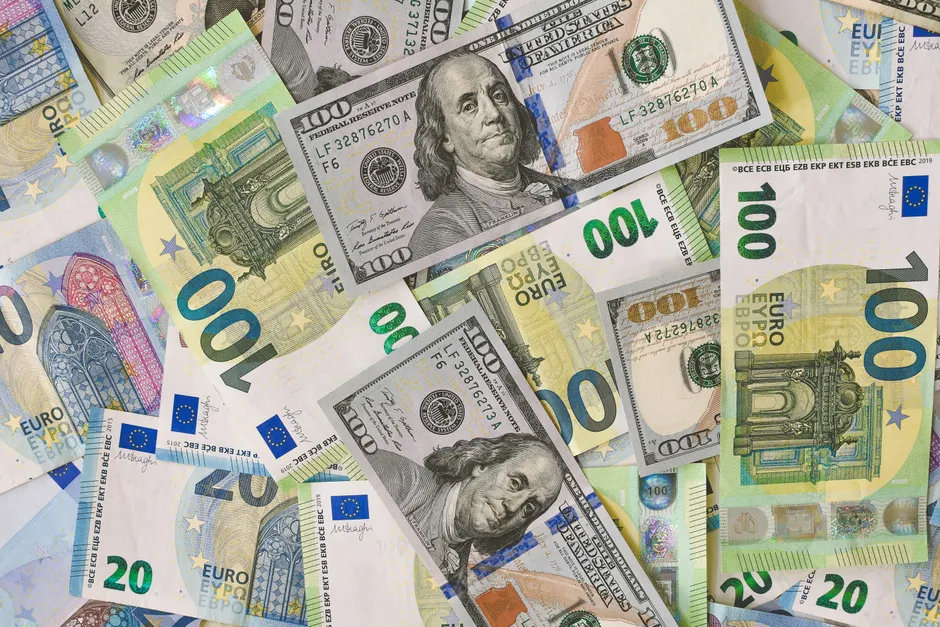
The euro fell below $1.12 in early trading on Monday, Oct. 5, 2026, sliding more than 0.8% to $1.1161. The Guardian tied the move to concern over France's debt burden and described it as a 17-month low, the weakest level against the U.S. dollar since May 2025.
The size of the early drop was reported at up to 0.8%, with one account putting it at up to 0.9%. The Telegraph carried the higher figure. The fall extended a slide of about 1.2% in October and left the euro about eight cents below a January peak near $1.20, both moves reported by The Guardian. The U.S. dollar held firm near pre-Liberation Day highs, according to Reuters.
French assets took the hardest hit. The CAC 40, France's main stock index, fell 1% on Oct. 5, while the U.K.'s FTSE 100 rose 0.2%. In the week before Oct. 5, the yield — the return investors demand to hold bonds — on French 10-year government debt hit its highest since 2002. The spread between French and German borrowing costs, a gauge of extra risk seen in France, widened to its widest since 2012.
Prime Minister Sebastien Lecornu's government had announced a 54-billion-euro savings drive in September to curb borrowing. The plan aimed to cut the budget deficit, the gap between spending and revenue as a share of GDP, from 5.5% in 2026 to 5% in 2027. Lecornu warned the deficit could reach 6.5% without action.
Spain opened a second front. Prime Minister Pedro Sanchez announced a snap election on Oct. 5 for Nov. 29, 2026, according to Reuters. The call followed parliament's rejection of two housing decrees from Sanchez. Polls before Oct. 5 pointed to a PP-led coalition backed by Vox as the most likely outcome, Reuters reported. Spain's Ibex 35 rose 0.5% on Oct. 5 even as the CAC fell, a split that came as Sanchez's announcement helped fuel eurozone uncertainty.
Trading was already soft going into the day. The European Central Bank's reference rate on Oct. 2 was 1 euro = $1.1225. The October 2026 reference list priced the euro at 176.99 Japanese yen and 1.5984 Canadian dollars. Euronews linked the 17-month low to fiscal and political risks in Paris and Madrid. Bloomberg Opinion on Oct. 5 called Europe's latest debt strain 'FROGS,' singling out France, according to Bloomberg Opinion.
The broader context here is that currency traders treated French debt stress and Spanish election risk as a combined eurozone question, not two isolated national stories. A jump of this size in the French-German bond gap usually signals investors repricing doubts about debt sustainability, not only interest-rate bets. When that happens alongside a snap election in the bloc's fourth-largest economy, currency desks tend to price in political friction before any budget or coalition result.
In my view, the split in stocks is the clue for policymakers and portfolios. A falling CAC next to a rising Ibex and FTSE points to selective pullback from France rather than a broad retreat from Europe. For Paris, the test is whether its consolidation math looks credible under market pressure. For Madrid, it is how campaign politics mix with the gridlock already shown by the failed housing decrees. For the euro, the near-term path likely runs through French bonds and Spanish political pricing, with dollar strength limiting room for a rebound.


