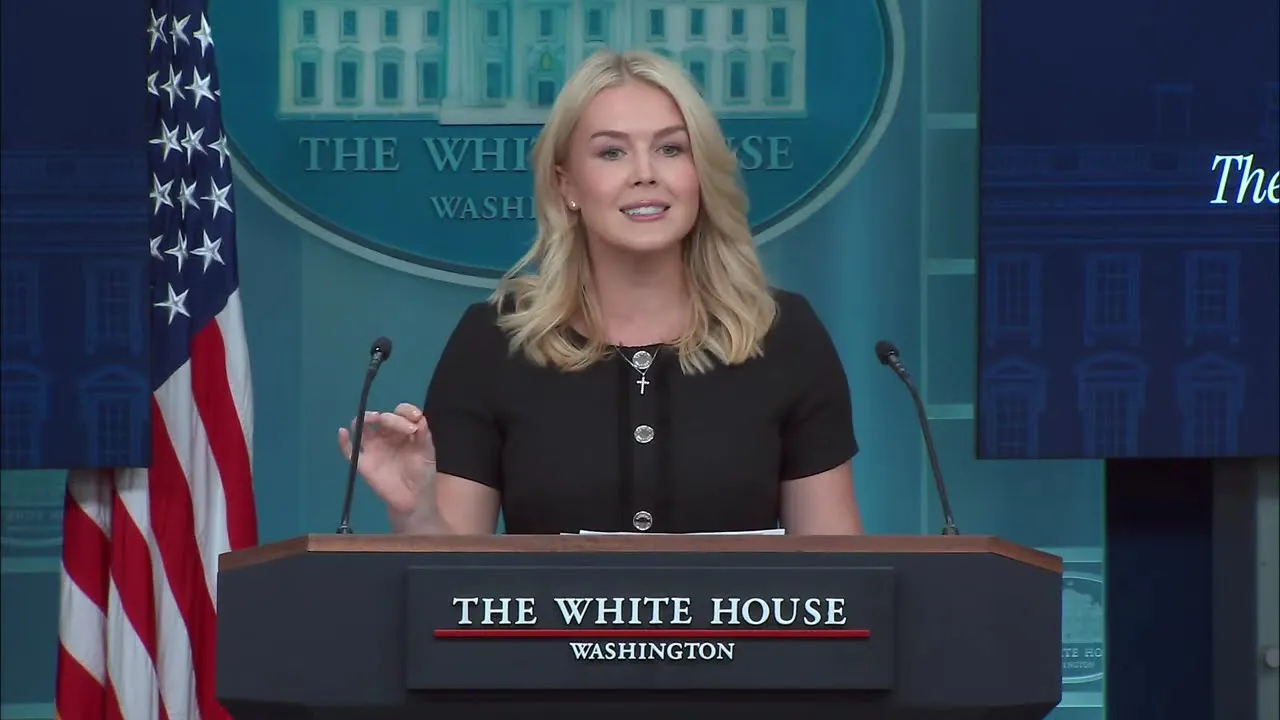
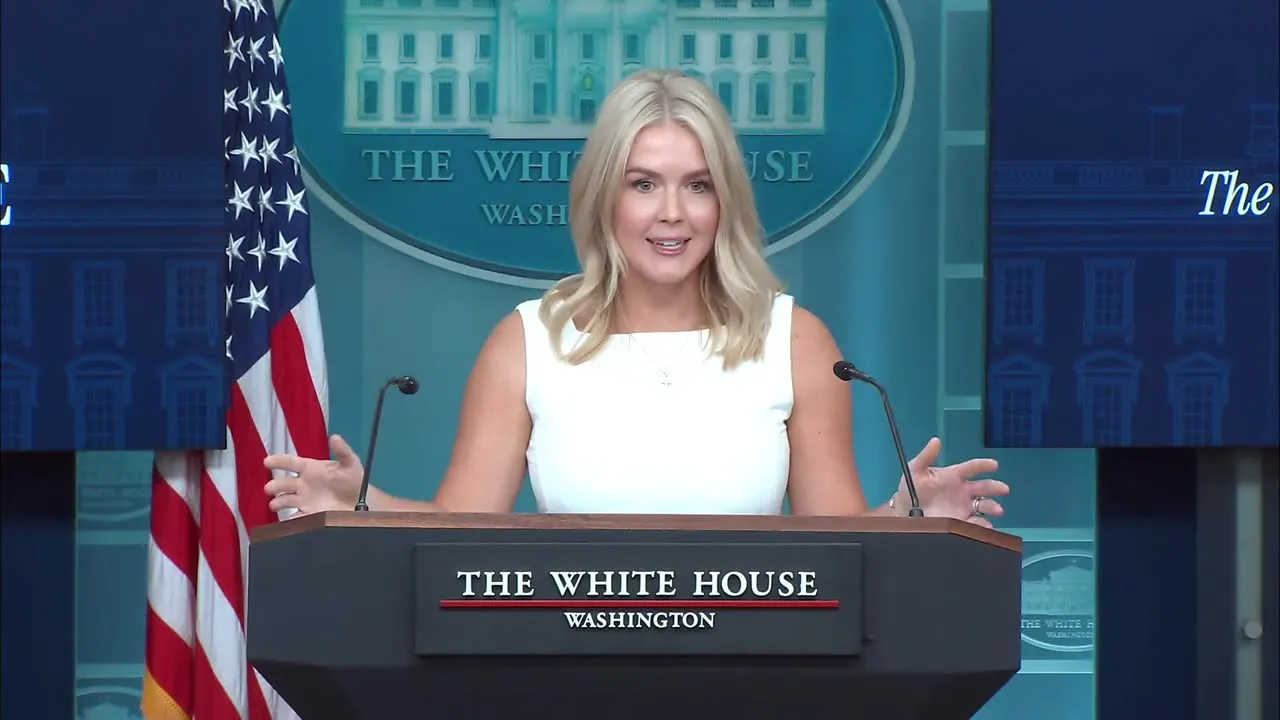
From the Briefing Room to the Studio: Leavitt Joins Fox News
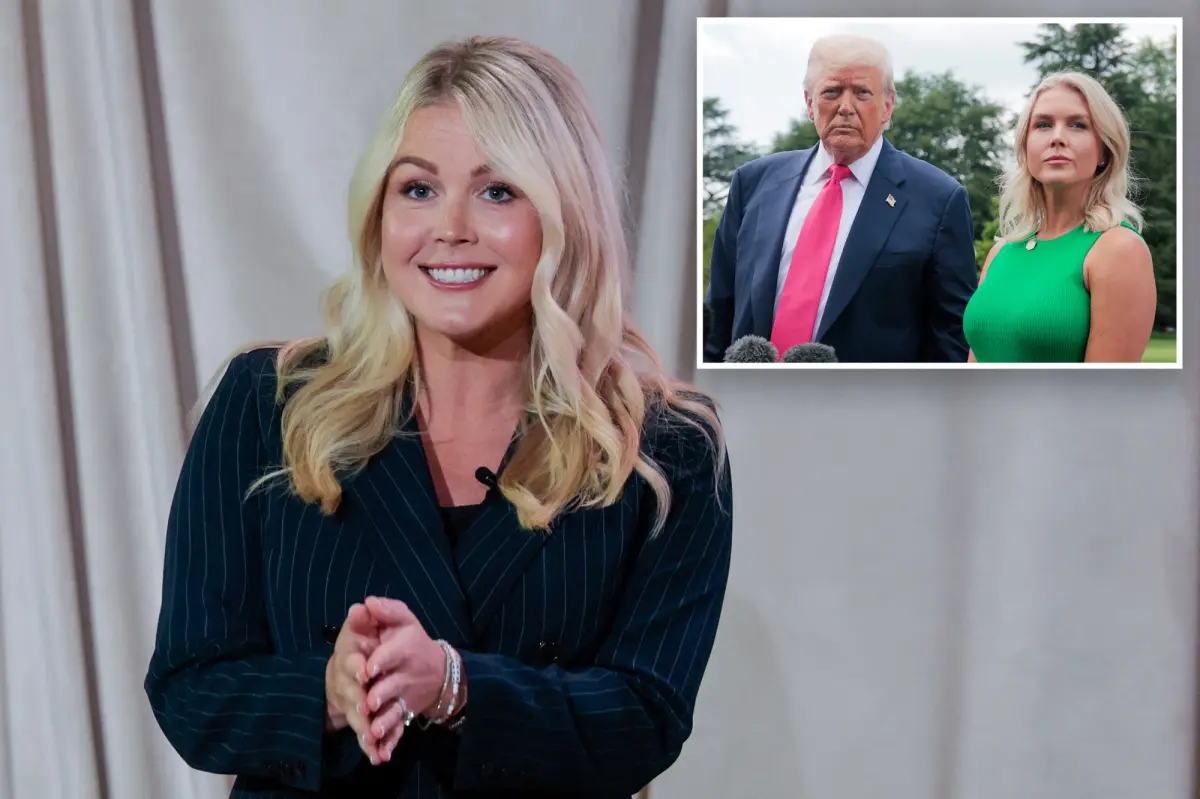
Karoline Leavitt will join Fox News as an on-air contributor on November 1. Fox News announced the appointment on October 5, 2026. The start date was confirmed in reporting the same day. Fox News USA Today
The move follows her departure as White House press secretary in August. Leavitt, 29, served as President Trump's press secretary and chief spokeswoman, the official who speaks publicly for the president. She was the youngest White House press secretary in history. The Guardian The New York Times
She left the administration after the birth of her second child. She was the first sitting White House press secretary to announce a pregnancy. Upon leaving, she said she planned to spend more time with her family and take a role with the Trump-aligned super PAC MAGA Inc., a fundraising group that backs Trump-aligned candidates.
As press secretary, Leavitt created a "new media" briefing room seat. The detail was noted in coverage of her exit and next steps. It formed part of her approach to the briefing room operation during her tenure.
The appointment drew immediate national media attention. The New York Times on October 5 published a report titled "Karoline Leavitt, Trump's 'Machine Gun,' Has a New Gig at Fox News." Fox News said Leavitt is joining as an on-air contributor, a formulation echoed in subsequent coverage.
The broader context here is the circulation between senior communications posts and contributor roles. A press secretary carries institutional knowledge, message discipline, and direct access to a principal's thinking. A contributor role converts those assets into commentary, much as a player later explains the game from the broadcast booth. For audiences who work in and around government, the shift changes how statements should be weighted, from authoritative briefing to partisan analysis.
Looking at what this means for both sides, the incentives are straightforward. For a network, a recently departed press secretary offers proximity and fluency in administration messaging. For a former official, television provides continuity of profile after leaving government service. Leavitt fits that pattern closely. She departs at a young age, with high name recognition from the briefing room, and moves directly into a political media position alongside a stated political organization role.
In my view, the questions to watch are functional rather than personal. Will she be deployed primarily as a surrogate voice on administration policy, as a source of behind the scenes insight into White House process, or as a broader political commentator. The distinction matters for viewers assessing her remarks. It also matters for the administration, which must manage the presence of a former chief spokeswoman speaking in a new capacity while a successor holds the podium.