CNN to Keep Mark Thompson as Paramount Closes Warner Bros. Discovery Deal
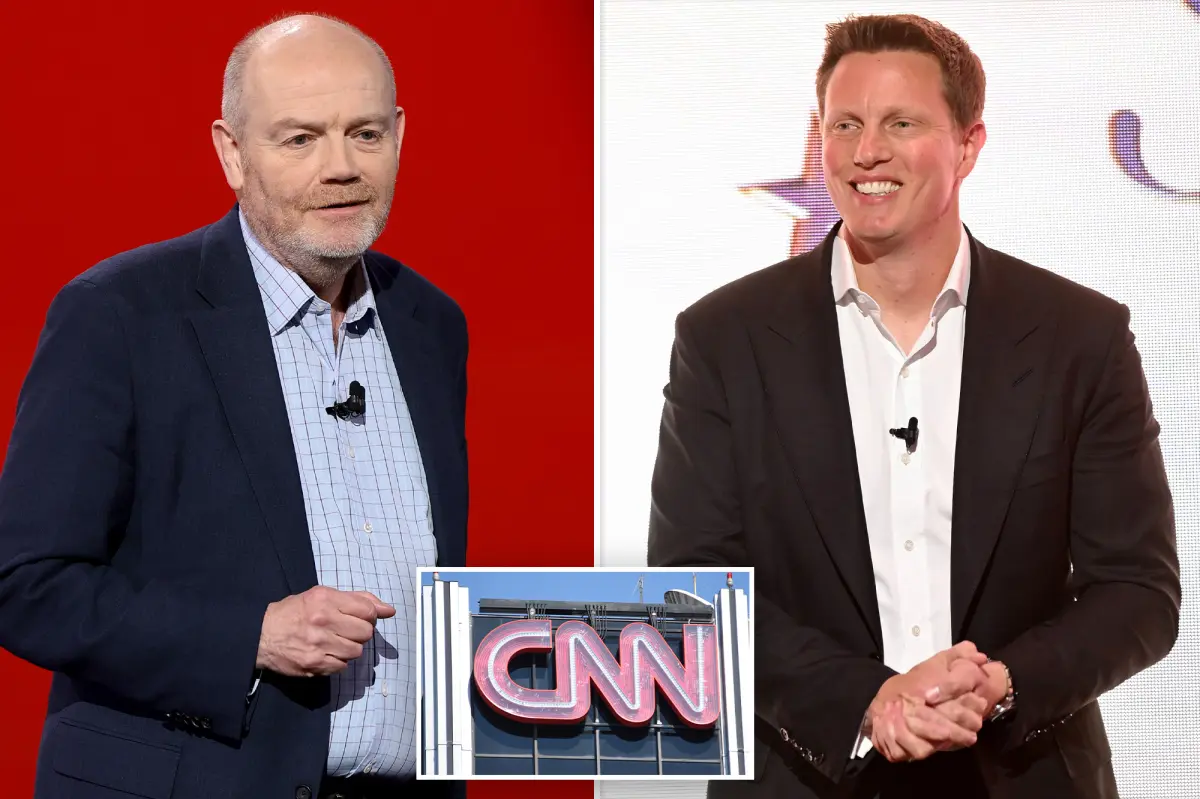
Mark Thompson will stay on as chairman and editor-in-chief of CNN after Paramount closes its $110 billion purchase of Warner Bros. Discovery. Paramount included Thompson in its leadership announcement for the combined company, which will be called Skydance. The Verge
Thompson announced the decision on October 5, 2026. He has led CNN for the past three years and will report to David Ellison and former Mattel head Ynon Kreiz, who will lead Skydance as CEO and co-CEO. CNN
Paramount CEO David Ellison asked Thompson to stay on after the Warner Bros. deal. Reuters Joe Flint of The Wall Street Journal had reported Thompson was in talks to remain.
In a memo to employees, Thompson wrote he believes the combined company will "fully support independent news that CNN has always stood for."
A U.S. judge entered an order allowing Paramount to close the acquisition. The company expects the deal to close on Tuesday. State attorneys general agreed to a settlement tied to the merger, and as part of a settlement with 12 states, Skydance must adopt a news editorial independence board.
Other appointments were announced alongside Thompson. HBO CEO Casey Bloys will serve as chief content officer of the streaming business. Josh Greenstein and Dana Goldberg will head the film studios. George Cheeks will run the TV business. Bari Weiss will remain as editor-in-chief of CBS News.
Paramount is expected to combine CNN with CBS News.
For people who build and operate distribution platforms, keeping the current news leaders removes one uncertainty from a complex integration. It preserves existing editorial workflows, rights arrangements and live production practices while the new parent reorganizes streaming, TV and film around them. Live news has stricter needs for latency, or the short delay between capture and viewing, plus reliability and fast correction than scripted content, and that difference shapes systems design and staffing.
In my view, the editorial independence board deserves close attention from technologists as well as journalists. Governance of that kind usually appears in access controls, publishing permissions, audit logs and escalation paths. If the board has real authority, its rules will need to be built into the systems that move stories from draft to air to app. If it does not, engineers will learn that quickly from how exceptions are handled.
The broader context here is consolidation without an immediate change to the news product named in the announcement. Ownership, reporting lines and oversight are changing. The appointments provide known contacts for decisions that will shape budgets, hiring and platform priorities over time. We have seen this pattern before in past media mergers. Merging the underlying technology is slower and less visible than a product launch, but it still decides what gets built, maintained and made possible for viewers.