Nigeria Air Force Crash in Ondo State: Rescue Effort and What It Involves
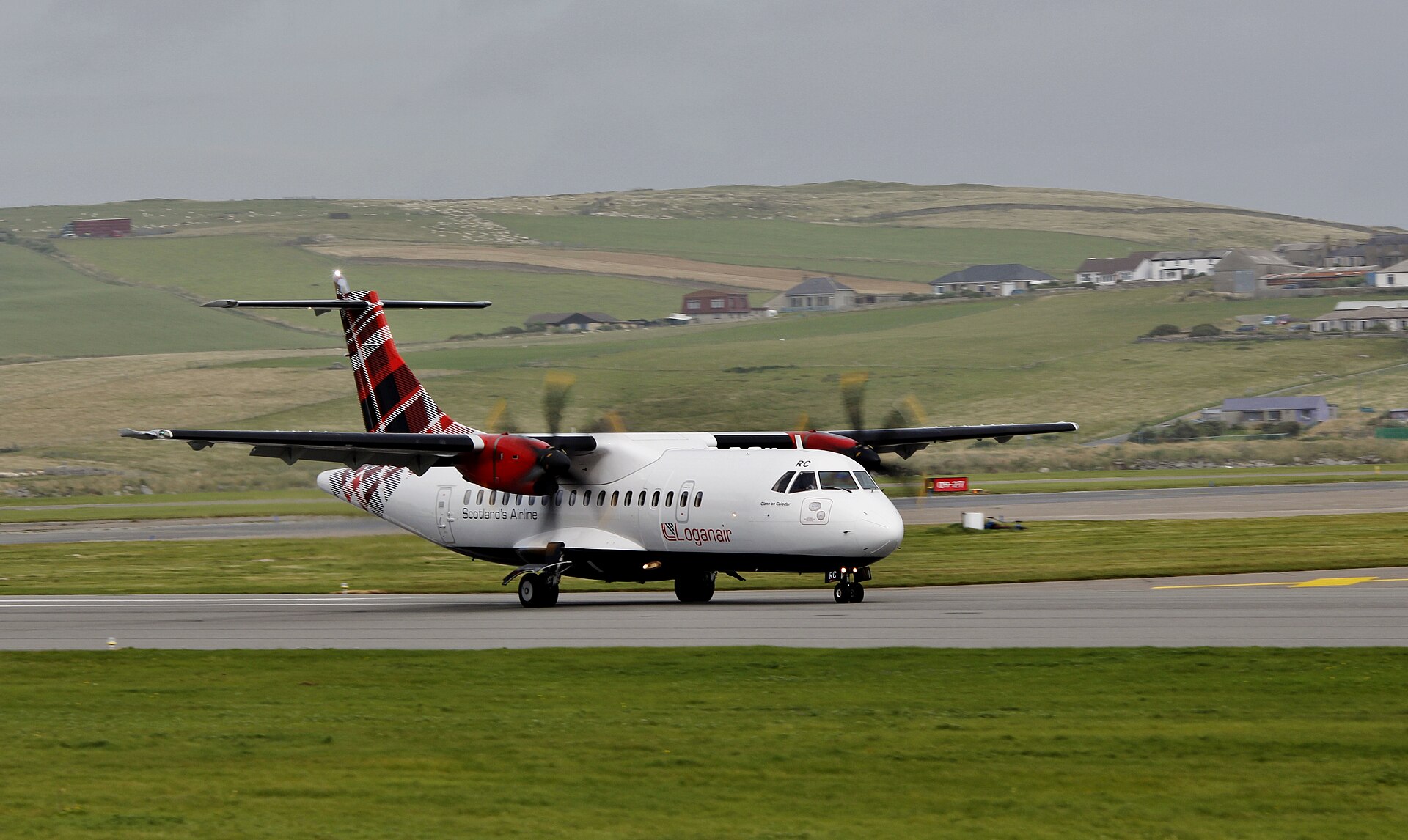
A Nigerian Air Force ATR-42, a twin-propeller transport plane, with 32 people on board crashed in Ondo State in southwestern Nigeria on Oct. 5, 2026, setting off a search-and-rescue operation after the wreckage was found. Al Jazeera
The aircraft was on a routine flight from Benin to Lagos, according to the Nigerian Air Force. Air traffic controllers, the ground teams that track planes and speak with pilots, lost contact with the aircraft at 09:13 local time (0813 GMT). Repeated attempts to reach the crew by radio were unsuccessful. Preliminary information indicated 25 passengers and seven crew members were on board.
Aviation Minister Festus Keyamo said the wreckage was located near the naval base in Igbokoda. Rescue teams have been deployed to the crash site. Keyamo said he spoke with Chief of Air Staff Air Marshal Sunday Kelvin Aneke and offered the Aviation Ministry's cooperation in the rescue effort.
No casualties have been confirmed. As of Oct. 5, 2026, authorities had not released information on survivors, fatalities, or injuries.
The broader context here is who is in charge. A military transport on a domestic route answers to the Air Force, but a loss of contact pulls in civil air traffic control and civil aviation oversight. That shared responsibility explains why the public updates came jointly from the Air Force and the aviation minister, rather than from one office alone. For safety experts, the sequence matters. The time contact was lost, the failed radio attempts, and the location of the wreckage form the starting record for any later flight safety inquiry.
Looking at what this means for the next hours, place and clear command will affect the rescue. Igbokoda sits in the coastal Ilaje area of Ondo State, where water, creeks, and limited road access can slow movement on the ground. Proximity to a naval installation gives rescuers a place to gather and extra personnel. Sending teams to the site does not by itself show what access or medical care is possible there. The offer of Aviation Ministry cooperation points to teamwork across agencies, with air traffic data, airport emergency plans, and possibly accident investigation staff supporting a military-led field operation.
In my view, the careful handling of information so far stands out. Authorities shared the manifest totals, timing, routing, aircraft type, and wreckage location, but no casualty figures. That caution is standard when teams still need physical access to the site and must notify next of kin. It also holds down speculation when early reports often change. What to watch is whether command releases an update on all 32 people, whether access problems slow casualty evacuation, and when the work shifts from rescue to recovery and technical investigation.