Hyundai Ioniq 3 Goes on Sale in the UK From £18,495 After Grant
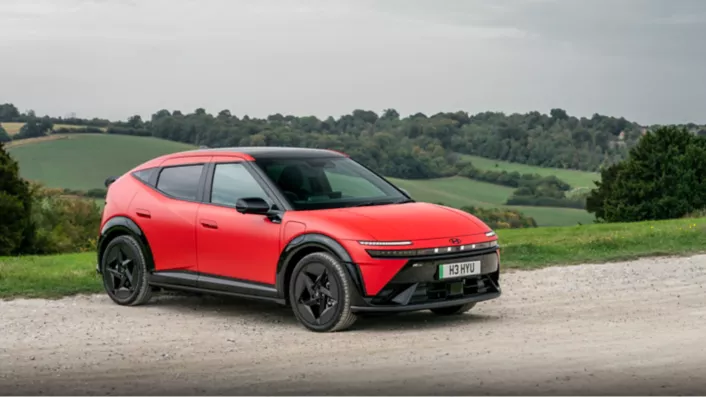
Hyundai has opened UK order books for the Ioniq 3, an all-electric compact hatchback. The announcement was published on 5 October 2026 as "All-New Hyundai IONIQ 3 Opens for UK Orders with £3,750 Electric Car Grant". The starting price is £18,495 on the road after the grant, or around $25,000. Engadget
That entry price is for the Ioniq 3 Advance with the 42kWh Standard Range battery, a measure of how much energy the battery can store. Hyundai UK lists the Advance with the 61kWh battery from £21,995 on the road after the grant is applied. Hyundai UK Every Ioniq 3 qualifies for the £3,750 UK Electric Car Grant, and the on-the-road figures already include it.
Range splits by battery size. The Advance 42kWh is rated at 213 miles. The N-Line Evo, priced up to £31,945 or around $42,000, uses the 61kWh pack and is rated up to 308 miles. Hyundai Motor Europe states up to 497 km, which matches the long-range figure.
Charging runs on 400V architecture, the electrical layout used by many current EVs. Hyundai quotes 10 to 80 percent in about 29 minutes. No US launch is planned.
On software, the Ioniq 3 is Hyundai's first vehicle in Europe to use Pleos Connect Infotainment, which is based on Android Automotive OS, the version of Android that runs directly in the car. Hyundai describes the vehicle as a compact electric Aero Hatch. It is built in Turkey.
For buyers using finance, Hyundai UK offers the Ioniq 3 from £355 per month with a £355 customer deposit at 8.9% APR. The finance figure is based on the Ioniq 3 Advance 61kWh 5dr Auto, excluding optional paint and equipment. The offer applies to vehicles ordered in the UK between 01/10/2026 and 04/01/2027.
The broader context here is how cost, voltage and software are combined in an entry-level hatch. A 400V system keeps power electronics, wiring and pack design in familiar territory, with a 29-minute 10-80% time that is straightforward to plan around. The shift to an Android Automotive OS base in Europe counts for more over time, since infotainment, app updates, voice and navigation run on a platform outside developers already support, which simplifies upkeep compared with a fully bespoke system.
In my view, the pricing approach is the point to watch. By qualifying the full range for the grant and advertising post-grant on-the-road prices, Hyundai lowers friction at the point of comparison. The spread from an £18,495 Advance 42kWh to a £31,945 N-Line Evo keeps a clear path up in battery and trim without pushing first-time buyers straight to the long-range pack. For households weighing a second car or a first EV, predictable charging, mainstream software foundations and grant-inclusive pricing are likely to matter more than headline range.


