Herod's Pool in the West Bank: Water, Land and Heritage Explained

Israel has started a development project around Herod's Pool in the occupied West Bank, a reservoir that filled over the summer after settlers diverted water from the Palestinian village of Fasayil.
Israeli Finance Minister Bezalel Smotrich said "development and preservation" of the site had commenced, according to an explainer published Oct. 5, 2026. Al Jazeera He linked the work to a larger project to strengthen Israel's hold on historical sites and preserve them. In June, he had pledged more than three million shekels, almost $1m, to develop the site.
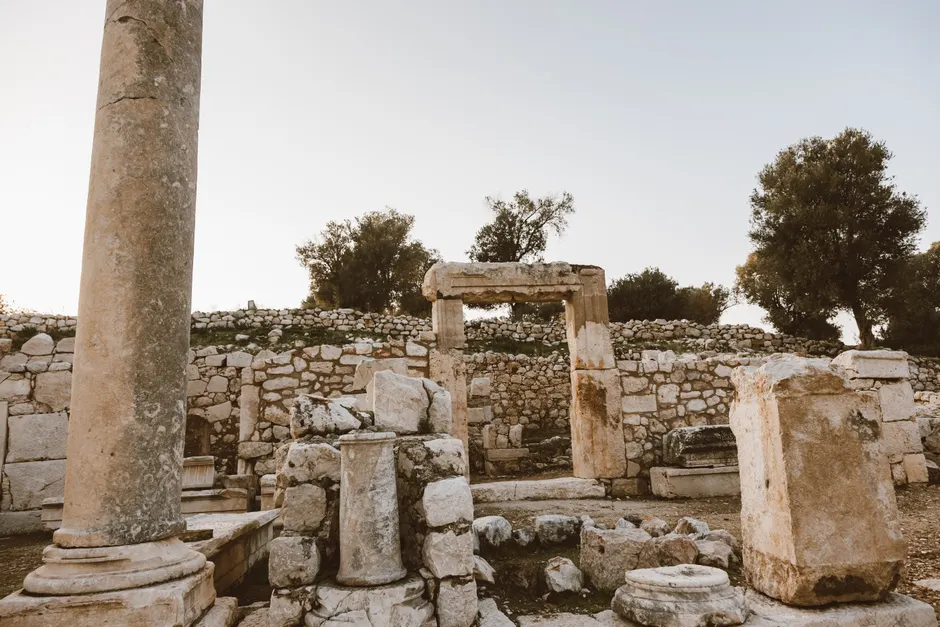
Herod's Pool is the name Israeli settlers have given to an ancient outdoor reservoir in Fasayil, near Jericho. It lies near the Israeli settlement of Petzael and sits next to a natural spring. Times of Israel The name refers to Herod the Great, a Jewish king from the first century BC.
Archaeologists have not established when the reservoir was built, so its history remains unclear. The land is claimed by Palestinian farmer Saad Nemer and his family. Nemer says his grandfather purchased the Fasayil property more than a century ago.
The water in the pool came from Fasayil's supply. In summer 2026, water from the natural spring supplying the village was diverted to the nearby ancient pool, which Israeli press coverage described as an illegal diversion. Times of Israel Israeli lawmakers promoted visits to the reservoir, while Palestinians said they could not enter it. New York Times Nemer said settlers repeatedly redirected water from his farm to swim in the pool and stole his irrigation pipeline. The result, he said, was scorched farmland and empty greenhouses. Palestinians say they cannot access the pool created with siphoned irrigation water. Times of Israel
The broader context here is that three threads meet in one small site, much like three pipes feeding one tank. One is water. Control of the spring and irrigation pipes decides whether nearby farms stay productive. A second is land. A private Palestinian ownership claim now overlaps with a state-funded development plan. A third is heritage. The naming, funding and official visits cast the ancient reservoir as a national historical asset, even as its construction date remains unverified.
In my view, the sequence matters more than any single announcement. The summer diversion shaped access and use. Autumn funding formalizes that change through planning and preservation language. What to track now is administrative. Permits, management authority, access rules and water allocation will determine whether Herod's Pool functions as an open archaeological site, a settlement leisure site, or both. Those details will also test how Israel's broader heritage-site policy applies in occupied territory where Palestinian property claims persist.