Instinct Puts Its AI Agent in Group Chats, No Account Required
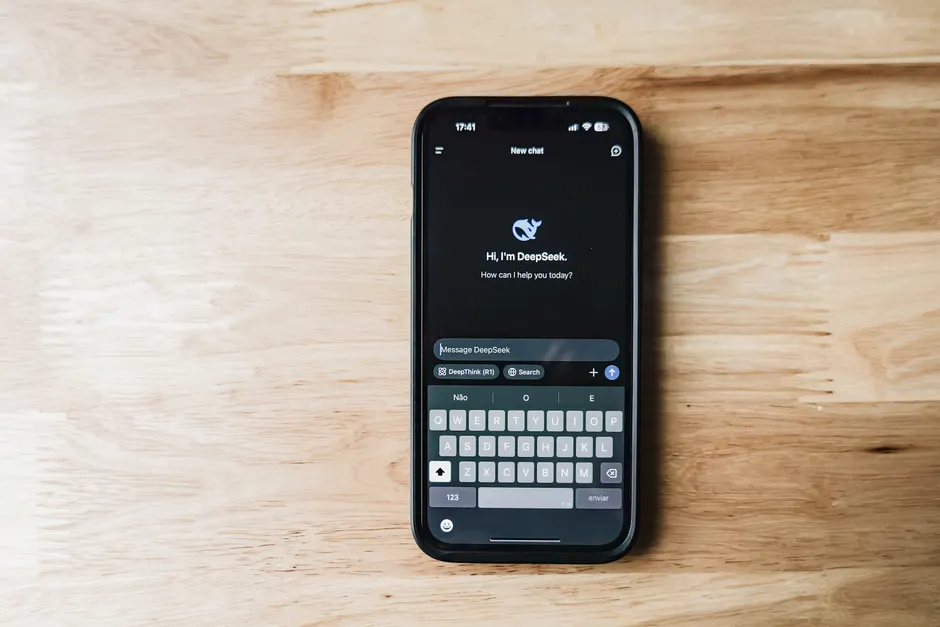
Instinct now lets users bring its AI agent into group chats with friends. The agent works even if those friends have not joined Instinct, so everyone does not need to be on the same platform first TechCrunch.
The feature is rolling out first to early access users and will expand to all users soon. People without access can ask their Instinct agent to add them to the waiting list.
Instinct points to travel planning, snagging event tickets, running fantasy leagues, organizing carpools, and managing Thanksgiving contributions. That work often stalls in message threads. Preferences are scattered, constraints pile up, and no one wants to pull the options together.
The setup uses two agents with an explicit handshake between them, meaning a permission step. A personal agent asks for permission before it connects to the group agent. Users decide which groups to trust and can remove that trust at any time.
The group agent is kept separate, or siloed, from personal accounts, which it cannot access. The personal agent asks the user for permission before it shares information or takes action. Trust applies to each group separately. The default is to ask first.
There is a separate control for membership changes. If new members join the chat, pending replies from a personal agent are held back before they are shared. That pause lets the user account for the larger audience instead of letting an approved message go to a different social mix.
On funding, Instinct raised $350 million at a $2.5 billion valuation TechCrunch. In September 2026, Instinct raised $1 billion, according to the same reporting.
The broader context here is delegation with limits. Group coordination suits agents that can gather preferences, check calendars, compare options and draft plans. It also makes permission rules harder, because there is not one user but several, each with different comfort levels for what an agent should see, remember and repeat.
In my view, the design choices worth watching are least privilege and revocation. Least privilege means giving the agent only the access it needs, which the silo enforces by separating group context from personal accounts. Revocation is the ability to take access back, which per-group trust provides in a simple form. Holding replies when membership changes fixes a common messaging problem, where controls apply at join time and history becomes visible by default.
Looking at what this means for practitioners, the test will be prompt fatigue against under-sharing. Asking every time preserves control but slows autonomous action and can wear users down in a busy thread. The open questions are how detailed those prompts get, how clearly users can review what their personal agent told the group agent, and whether participants without Instinct understand they are in an agent-assisted workflow.
Looking ahead, if the controls work in practice, routine negotiation in group threads gets cheaper. Travel dates settle faster. Carpools assign themselves. Contributions for a holiday dinner stop living across five side chats. That payoff is modest but practical, less about agents replacing planning than about clearing the bookkeeping that keeps plans from happening.


