Hyundai CEO on Chinese Rivals: Compete, but Keep the Rules Fair
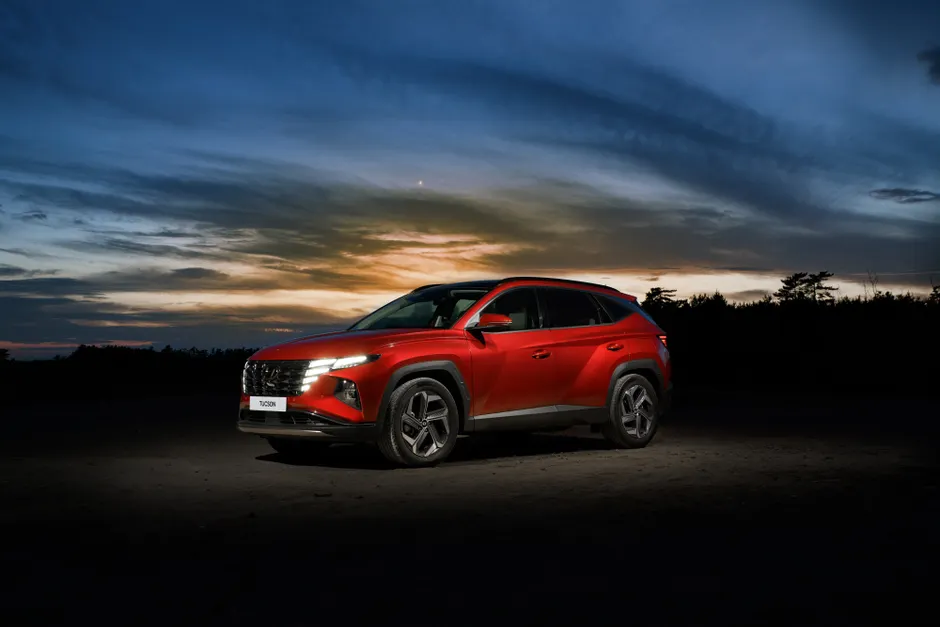
Hyundai president and CEO José Muñoz said he welcomes competition from Chinese automakers "As long as there is a level playing field for everybody" at the reveal of the 2027 Hyundai Tucson in New York City. The Verge
Muñoz said Hyundai had not started planning for Chinese imports entering the U.S. market. "We don't develop strategies specifically because of the Chinese or because of other types of competitors," he said. The Verge
On U.S. manufacturing, Muñoz pointed to vertical integration, meaning Hyundai owns more steps of its own supply chain. He cited the company's $5.8 billion investment in Louisiana to produce green steel, or steel made with lower emissions, as an example in the U.S. The Verge
His October comments followed a warning in September, when Muñoz said the U.S. could face a wave of Chinese auto imports similar to the wave that disrupted Europe. Reuters Chinese vehicles cost 30% to 40% less than comparable models in some markets. Electrek Muñoz used similar language in April, saying "We want a level playing field" about competition with Chinese automakers. Autoweek The wording was similar. The setting was new.
The setting was the all-new Tucson, which Hyundai Motor Company unveiled on October 1, 2026, in New York. Hyundai Hyundai calls it its boldest SUV ever, built around an "Art of Steel" design philosophy. It pairs hybrid performance with intelligent efficiency and uses Pleos Connect, the company's next-generation infotainment system for navigation, media and vehicle controls. Hyundai Separately, Hyundai planned to launch 36 new models in North America by 2030 and said it aimed to more than double its China sales in the medium term. Reuters
The broader context here is factory location meeting software-defined cars. In my view, Muñoz is describing cover built from both sides. Local steel can reduce exposure to swings in imported materials. Pleos Connect puts cockpit software in one place where updates and new features can arrive faster. Hybrid efficiency keeps options open while charging networks and battery costs develop. If a 30% to 40% price gap ever reaches the U.S. with open access, the test will be whether domestic production plus faster software work can close it without cutting margins.