Ford Rehires 350 Quality Inspectors After AI Systems Fall Short
Ford has rehired 350 veteran quality-assurance engineers after AI-based inspection systems failed to keep pace with the demands of vehicle manufacturing, Bloomberg reported on June 25, 2026. The move reverses, at least partially, a workforce reduction that had accompanied the automaker's earlier push to automate quality control with computer vision systems.
The full details of what went wrong have not been publicly disclosed, but the underlying pattern is familiar in industrial AI. Computer vision systems — the technology that trains an algorithm to recognize defects by analyzing thousands of images — tend to struggle when deployed on actual production lines. Real factory floors present problems the training data did not anticipate: reflections off shiny surfaces, changes in lighting, and defect types that differ subtly from examples the system learned from. Human inspectors, by contrast, build intuition from years of experience and can adjust their judgment to unfamiliar situations.
What makes Ford's step back noteworthy is the source and the scale. Ford is not a start-up that oversold its capabilities and retreated quietly. The company has serious engineering resources and, nine years ago, placed a $1 billion bet on autonomous systems — investing in a startup founded by engineers who had worked on Google and Uber's self-driving car programs in February 2017, Bloomberg reported at the time. Ford's commitment to AI-driven automation is real and long-standing. That makes the decision to rehire inspectors a real data point, not a one-off mistake.
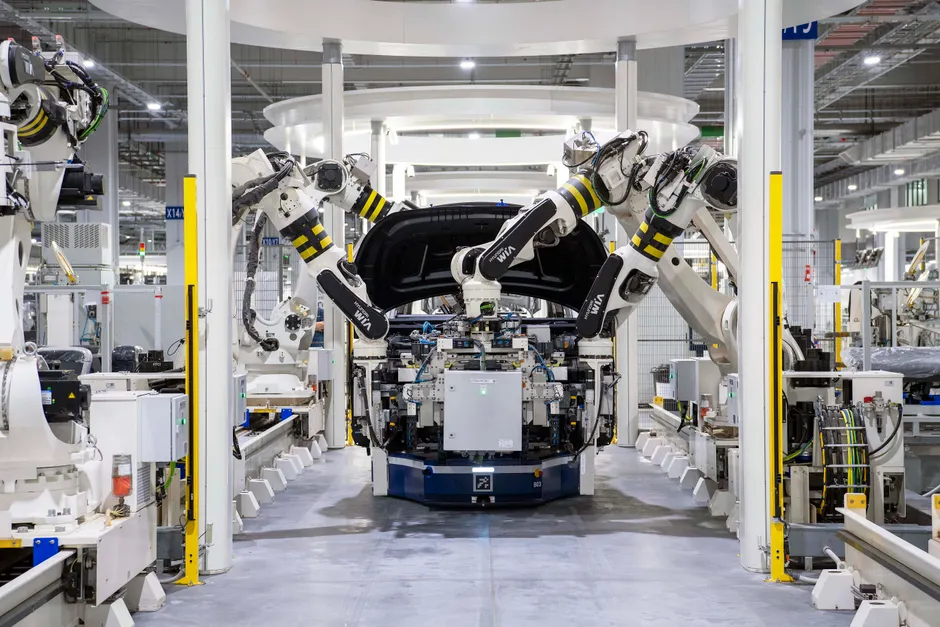
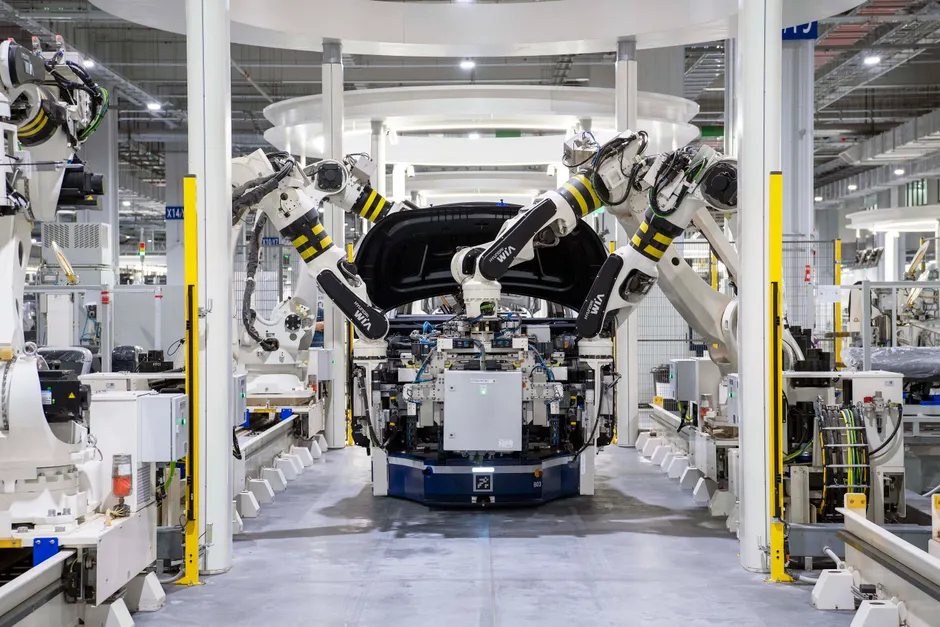
Manufacturing quality assurance has been one of the most aggressively pursued targets for computer vision over the past decade. The reasoning is straightforward: cameras do not get tired, they create detailed logs of every inspection, and the computational speed needed to inspect parts as they move along a production line is now affordable. Several major automotive suppliers and manufacturers have launched similar programs. Ford's experience suggests that the gap between how well these systems perform in controlled tests and how well they perform in a messy factory is larger than some companies have publicly acknowledged.
It is important to be precise about what this rehiring does and does not mean. Three hundred and fifty engineers returning to Ford's overall workforce is not a complete reversal of the automation strategy. It is a course correction — a hybrid approach in which humans handle the edge cases and exceptions while machines process the straightforward, high-confidence inspections. This "human-in-the-loop" structure is the sensible engineering answer. The real question is whether Ford's original system was designed without this layer, cut costs by removing human oversight, or whether the AI models simply did not adapt as new vehicle designs emerged faster than the training data could keep up. Neither scenario has been confirmed publicly.
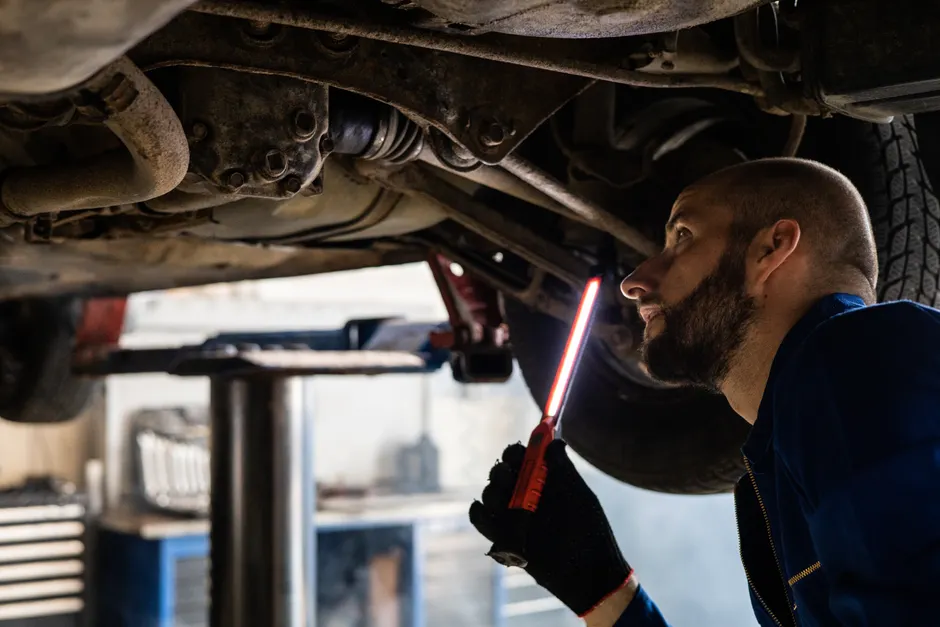
For the engineers returning to this work, the situation is not straightforward either. Quality inspection at this level is a skilled trade — it requires understanding materials, assembly sequences, and the specific failure modes of different vehicles. Rebuilding that knowledge base after a workforce reduction cannot happen overnight, and production schedules do not tolerate delays.
In my view, the real cost here is not the salary bill but the gap itself — the defects that slipped out or nearly slipped out while the AI system was underperforming and nobody caught them.
The industrial robotics and AI sector will closely watch how Ford talks about this move in coming months. If the company frames this as a temporary step while it retrains and improves its models, that sends one message. If it quietly puts quality-control automation on the back burner, that sends another. Either way, other manufacturers evaluating similar deployments now have a concrete example to use when challenging vendors: "Walk us through your failure modes and prove your system will catch what Ford's did not."
Automation does not succeed or fail evenly across all tasks. Machine learning tends to work best on high-volume, repetitive, standardized work where examples are plentiful and variation is low. Vehicle quality assurance is high-stakes, moderately unpredictable, and takes place in physical environments with persistent sensing challenges — reflections, shadows, surfaces that change reflectivity over time. Ford's move does not invalidate the broader premise that industrial AI can improve manufacturing. It does clarify a question that any manufacturer should answer before cutting human staff: What could go wrong, how would you know, and who handles the cases the machine cannot solve?