Parti Québécois Wins Quebec Election, Revives Referendum Question

The separatist Parti Québécois won Quebec's provincial election on Oct. 5, 2026, as projected by The Canadian Press. U.S. News
Party leader Paul St-Pierre Plamondon was set to become Quebec's next premier, the head of the provincial government, after leading the pro-separatism party to victory. Vancouver CityNews The result ends eight years of government by the Coalition Avenir Québec. Reuters That party first came to power in 2018 and won reelection in 2022. Reuters
Élections Québec, the agency that runs Quebec elections, hosted live results on a page titled "Résultats des élections générales provinciales 2026." It said preliminary results on Oct. 5 after 8 p.m. would be released progressively as staff finished counting ballots. Élections Québec Its current-elections listings also identified a vote in the Chicoutimi electoral division for Oct. 5, 2026. Élections Québec
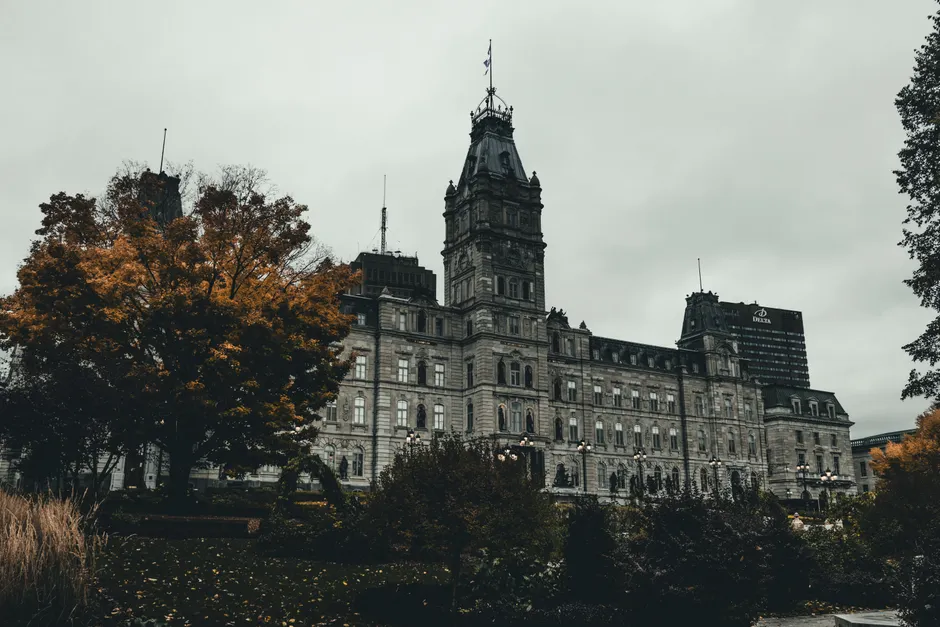
Quebec's National Assembly, the province's legislature, has 127 members. At least 64 seats are needed to form a majority government, which can pass laws without support from other parties. CBC Five parties were potentially in a position to have members elected in the 2026 election. CBC
On independence, the Parti Québécois promised another Quebec independence referendum, a province-wide vote on whether to leave Canada, in the 2026 campaign. U.S. News The party published in 2026 a 'Livre bleu sur l'indépendance du Québec' examining reasons for Quebec to pursue independence. Parti Québécois A separate party document on the finances of an independent Quebec describes independence as a societal project desired by more than 2 million Quebecers. Parti Québécois Former party leader Jean-François Lisée was among the figures discussing the outcome in post-election analysis. CBC
The broader context here is arithmetic before constitutional law. A majority gives a premier control of the legislative calendar, much like setting the schedule for what gets debated and voted on. A minority requires negotiation vote by vote. That distinction will shape whether, when and in what form a referendum question can move through the National Assembly.
In my view, readers should separate three tracks. The first is government formation. The second is any referendum legislation, including wording, timing and spending rules. The third is Ottawa's response and the courts. Each has its own timetable. Each involves different actors.
Looking at what this means for diplomacy and markets, predictability matters more than rhetoric. Investors, federal officials and foreign governments will watch cabinet appointments, the inaugural address and the first budget for signals about sequencing. A government can assert a mandate while still moving deliberately on procedure. Procedure is where independence bids succeed or stall.
Looking ahead, the next steps are procedural. Confirmation of seat totals. Swearing in of members. Selection of a premier and cabinet. Then a legislative program. Those markers deserve more weight than commentary on election night.