Hydro's Alunorte at 50%: Why a Gas Shortage Hits Costs and Supply
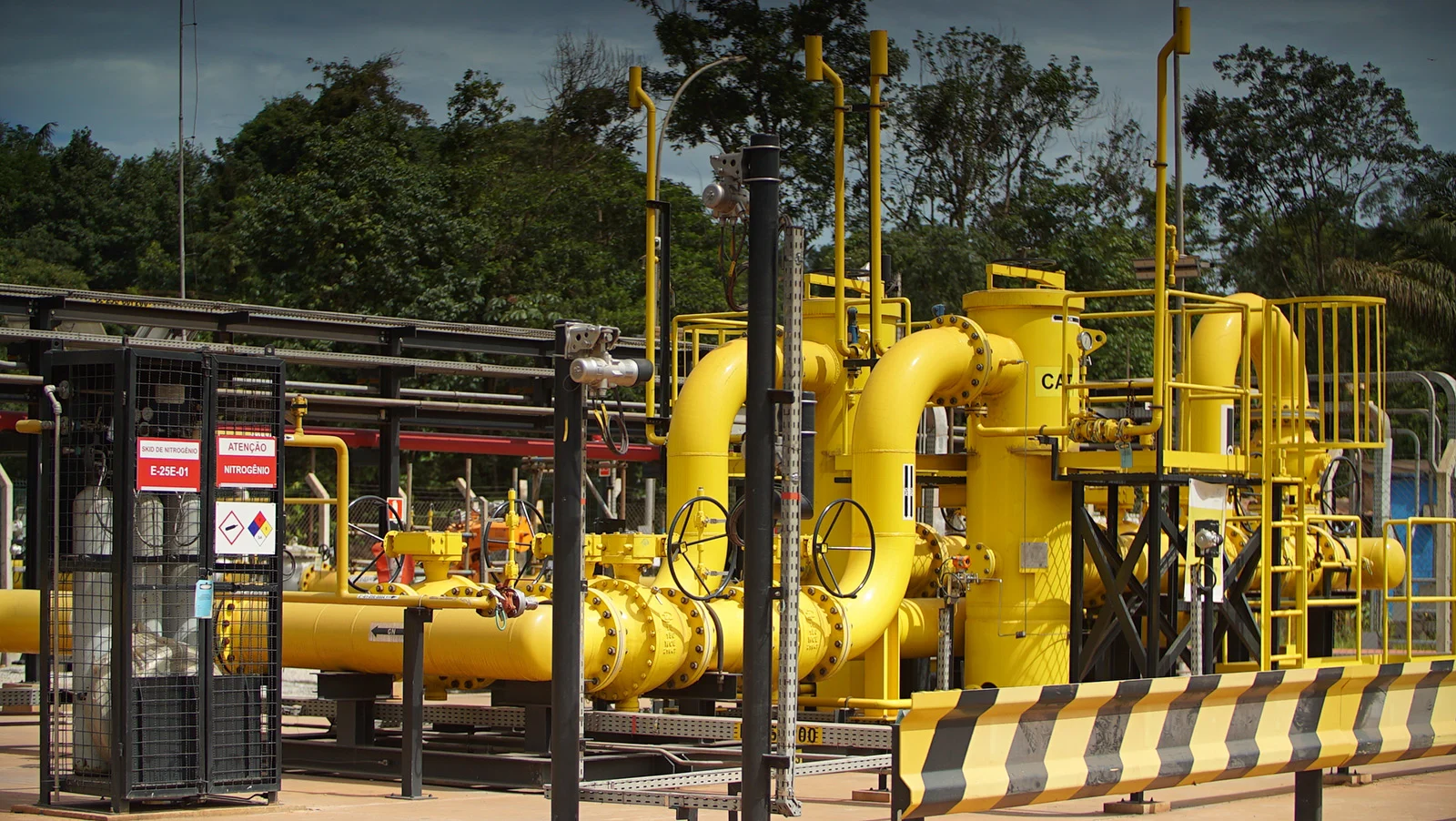
Norsk Hydro published an "Update on Alunorte gas supply situation" on 5 October 2026, after reducing alumina production to 50 percent of capacity in August on natural gas supply disruptions. Hydro
Alunorte was informed in August 2026 by supplier CELBA of disruptions to natural gas availability. CELBA is part of New Fortress Group. The October update was issued both on hydro.com and as an Oslo Børs NewsWeb disclosure. Hydro
The curtailment, meaning a cut in output, was first disclosed on 10 August 2026 via Oslo Børs NewsWeb. Hydro confirmed on 11 August the refinery had reduced output to 50 percent of capacity and said the financial impact remained uncertain. Mining.com
Alunorte is the world's largest alumina refinery. Alumina is the powder refined from bauxite and smelted into aluminium. Hydro has described Alunorte as a core strategic asset and a key source of low-carbon alumina for its primary aluminium smelters. In December 2021, Hydro made a final build decision to invest BRL 1.3 billion at Alunorte to carry out a fuel-switch project. Hydro
The sequence matters for modelling. August set the rate and the cause. October continues reporting without resolving the earnings question. Uncertainty persists.
The broader context here is vertical integration risk, the risk from owning refinery and smelters together. Like a bakery that owns its flour mill, a cut at the mill spreads. A 50 percent cut changes internal supply, outside sales and fixed-cost cover, and may require buying alumina elsewhere for its smelters.
Looking at what this means for credit and equity analysis, the type of outage matters as much as the rate. A gas shortage is unlike planned maintenance. Ramp-down and restart are less predictable, energy per tonne can rise at low rates, and working capital, cash tied up in stored materials, can build if bauxite and caustic stocks cannot be trimmed with output.
In my view, uncertain should be read literally. Without timing, duration and restart detail, analysts cannot convert 50 percent of nameplate capacity, maximum designed output, into an EBITDA effect. EBITDA is a core operating profit measure. Missing items are duration, take-or-pay gas exposure, extra logistics or bought-in alumina, and low-rate running costs. None are disclosed.
For capital allocation review, the fuel-switch history adds a further consideration. The BRL 1.3 billion decision increased Alunorte's linkage to natural gas. That linkage is now the binding constraint. For risk assessment, the question is fuel concentration and contract protection around CELBA deliveries, not the case for lower-carbon alumina itself.


