Why UK Water Companies Are Pushing Conservation Again — and Whether It Will Work
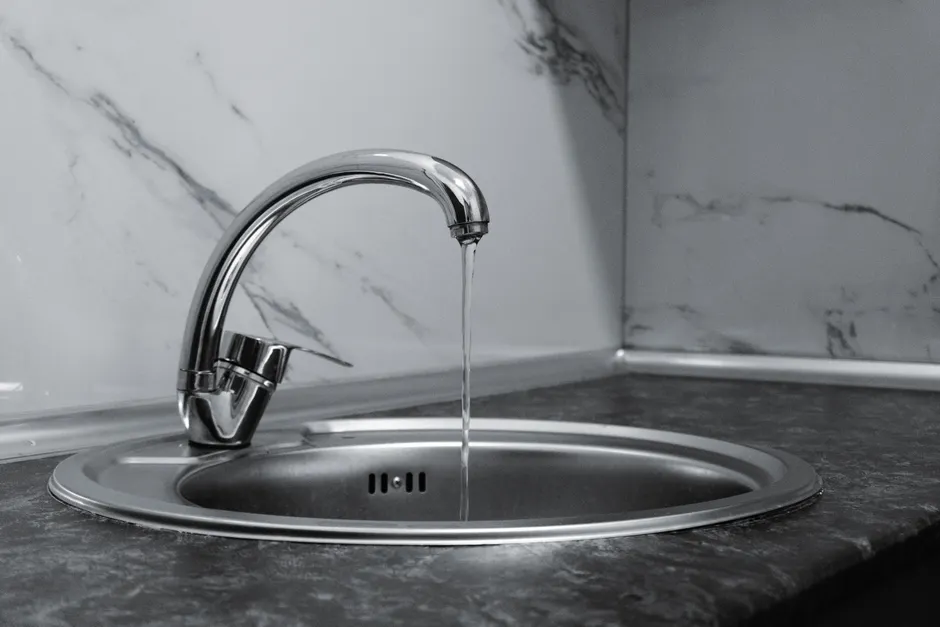
UK water companies are intensifying their push for household water conservation as summer 2026 approaches and pressure on supply infrastructure mounts.
The centerpiece is the "Water's Worth Saving" campaign, originally launched by Water UK in 2022, which encourages people to reduce everyday consumption: shorter showers, repairing leaks, swapping hosepipes for watering cans. The goal is not temporary. Instead of asking households to cut back during dry spells, the campaign aims for a permanent shift in how people relate to water.
That ambition has gained momentum. Water Saving Week 2025, held 12–16 May, coordinated messaging across local authorities and utilities at the same time—a departure from one-off awareness events toward sustained, multi-year programming.
The backbone of this strategy is smart metering. Wessex Water has committed to installing smart meters at every property it serves by 2035. These meters give households and the company near-real-time data on water use, broken down to the hour. What matters: when people can see exactly how much water they are using, they consistently conserve more than any ad campaign alone can achieve. The feedback loop—watching your own consumption—works where appeals to conscience often fail. Wessex's 2035 deadline aligns with the window most climate adaptation frameworks identify as critical for meaningful change in domestic water demand.
Water companies are also building legitimacy alongside logistics. Wessex Water Foundation funds conservation initiatives, and Wessex operates a Young People's Panel—established by 2022—that brings community voices into corporate planning. These moves signal that the industry understands conservation mandates are politically smoother when the public has already had a say.
The underlying pressure is real. England's per-capita water consumption ranks among the highest in Europe. Water company pipes leak roughly three billion litres per day nationally. Population growth in already water-stressed regions—chiefly the south-east—continues to widen the gap between available water and future demand. Given these constraints, demand management—shaping how much customers use rather than building new reservoirs—is the faster and cheaper option. Awareness campaigns are the gentler tool. Smart meters and eventual mandatory metering or tiered pricing are the harder levers.
There is, however, an unresolved credibility problem. Asking households to conserve while water companies publish leakage figures that dwarf what households could save is difficult to square. Ofwat, the sector regulator, has tightened leakage targets under the current regulatory period, and companies that miss targets face fines. What remains uncertain is whether these penalties will actually drive the infrastructure investment required to fix leaks—or whether companies will instead accept underperformance. How the regulator enforces accountability will determine whether the conservation ask sounds credible to the public or hollow.
For now, the campaign machinery is operational. Whether it is moving faster than policy, or slower, is an open question.


