Facebook Tests a Reels-First App in India
Meta is testing a version of Facebook in India that opens straight into full-screen Reels for some users. TechCrunch
The test flips the usual starting point. On first open, those users land in full-screen video rather than the classic Feed. The Feed remains as a second tab, and people in the test can opt out and restore a Feed-first setup. TechCrunch
Facebook head Tom Alison first outlined the plan in July. The sequence was to test this video-forward version later this year in video-heavy countries outside the U.S., then explore a U.S. test next year. TechCrunch
The Feed does not go away. The change is about entry point and ranking priority, meaning which posts Facebook puts first, paired with consolidation for posting. Meta has said all new Facebook videos will be shared as Reels regardless of length or format, and it renamed Facebook's Video tab to Reels. TechCrunch
The driver is viewing behavior. Meta says young adults spend about 60% of their time on Facebook watching video. In Meta-commissioned studies, meaning research paid for by Meta, at least 97% of users surveyed said they watch video on Meta apps daily, and 89% of Gen Z respondents said they use Reels every day. TechCrunch
India is the test bed. It is Facebook's largest market by users, with Meta's advertising tools indicating an audience of more than 400 million people in the country. TechCrunch
This follows an established pattern of starting video tests in India. Facebook first began testing Instagram Reels in select markets in late 2019. TechCrunch It expanded Instagram Reels to India in July 2020 amid the TikTok ban, weeks before expanding to dozens of additional markets. TechCrunch TechCrunch In August 2020, Facebook tested a TikTok-style video format on its main app in India. TechCrunch In March 2021, it tested a feature in India letting 30-second Instagram Reels be recommended on Facebook's News Feed. Reuters
Facebook Reels took the same staged path. Facebook planned to test Facebook Reels in the U.S. in August 2021. TechCrunch It launched publicly in the U.S. in September 2021, then became available globally in more than 150 countries in February 2022. TechCrunch
Instagram provides a similar earlier case for a video-first opening. Instagram tested a dedicated Reels tab in India in 2020. It later tested sending some users in India and South Korea directly into video on open, a test described on September 29, 2025. TechCrunch TechCrunch
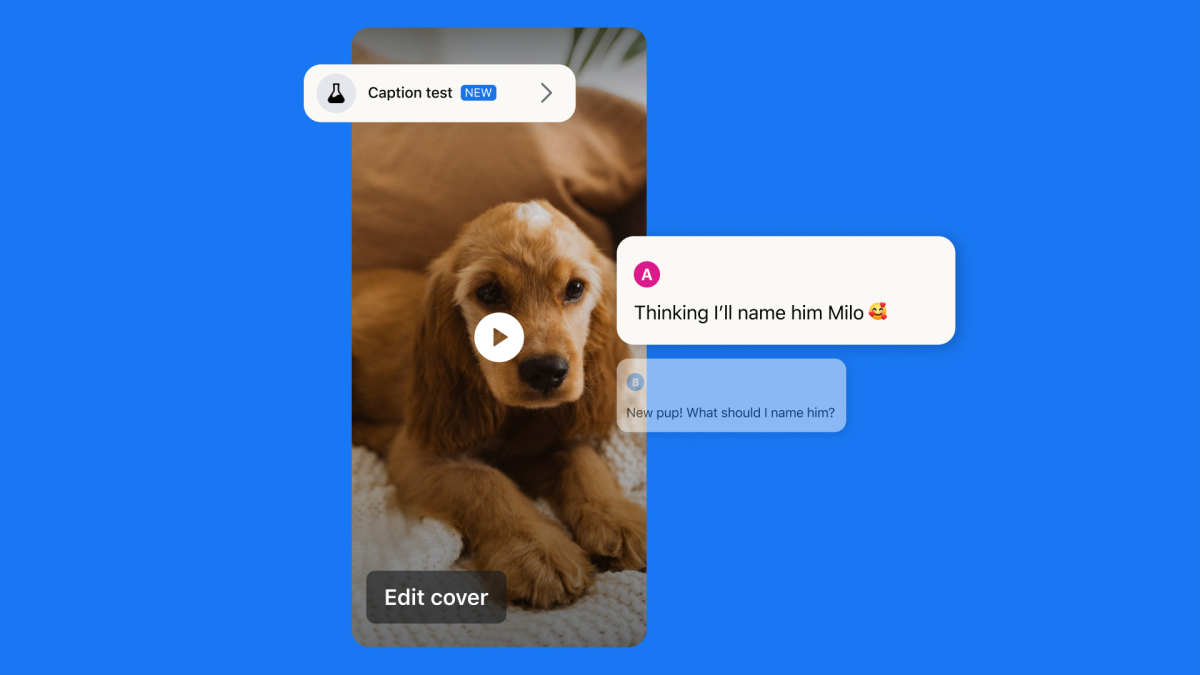
The ads and creator tools were built in parallel. In April 2021, Facebook said it would begin testing ads on Instagram Reels in India, Brazil, Germany and Australia. Reuters In September 2021, Meta said it would test sticker ads and banner ads in Reels on Facebook, and it had been testing full-screen and immersive ads between Facebook Reels since October 2021. Later additions include a Reels A/B testing tool, which lets creators try different captions and thumbnails on mobile, and trial reels, which let creators share reels with non-followers to see what performs best.
The broader context here matters for anyone who operates a discovery surface, like a home screen that decides what people see first. A Reels-first default changes what Facebook optimizes on open. It is less about recent posts from friends and more about keeping people watching an interest-ranked video session, with friend content competing inside that session. In my view, that adjustment is lower-friction in India than it would be in the U.S., because video use and prior Reels tests are already concentrated there, and the opt-out preserves the social use while Meta measures session shift, creator supply response, and ad load tolerance.
In my view, the practical questions if the test holds are concrete: how recommendation mixing handles publishers who do not focus on video, how ad pricing moves when full-screen video takes the first impression, and how creators tune for non-follower reach. My own kids stopped opening Facebook for the Feed years ago and only return when a clip pulls them back, which is anecdotal but points the same way as Meta's numbers. The long arc favors moving the entry point to where attention already goes, then letting the older interface persist for those who still want it.