Fitbit Edge Leak Points to €179 Price and Heavier Software Focus
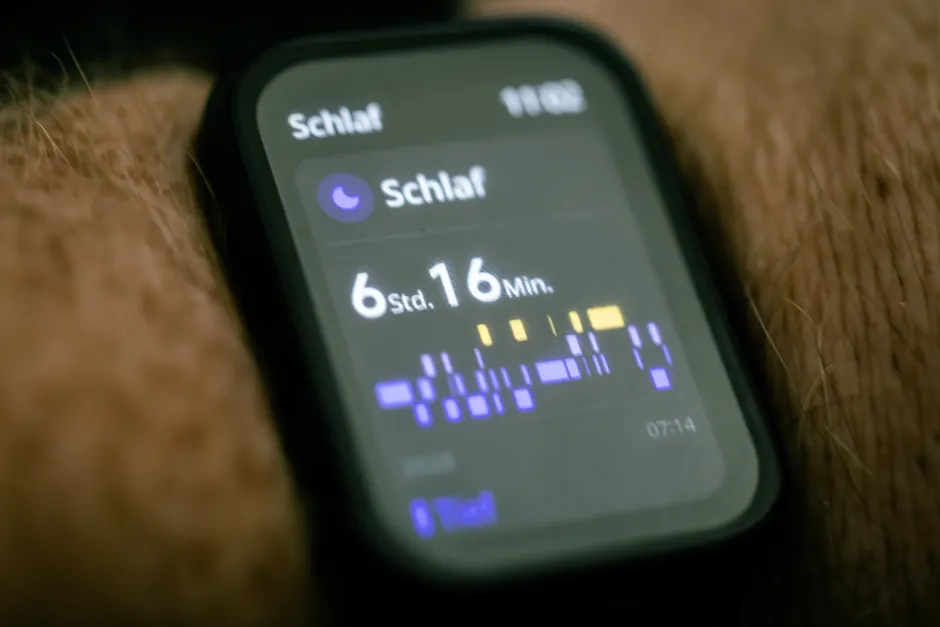
Google's unannounced Fitbit Edge fitness tracker is reported to sell for €179 in Europe and £159 in the UK, according to retail information published Oct. 6, 2026. The Verge
The U.S. price is estimated at around $180. That estimate tightens an earlier reported range of $149 to $199 from Android Headlines. Earlier Fitbit Charge models sold for $129 to $179, which places the Edge at the top of that range. Android Headlines
Retail listings for the Edge had appeared by Oct. 4, 2026. They followed an accidental marketing leak in August 2026 and an FCC filing, the required U.S. wireless approval, in September 2026. 9to5Google
The hardware centers on a 1.34-inch always-on OLED touchscreen, a display type that lights each pixel on its own for strong contrast. The device will run Fitbit OS with access to Google Play and will link to Android and iOS phones over Bluetooth.
The leak lists GPS for location, plus an accelerometer, gyroscope, barometer and altimeter for movement, direction and height change. Optical sensors, which use light on the skin, will measure heart rate and blood oxygen saturation (SpO2, the share of oxygen in the blood). Electrical sensors will record ECGs, short traces of the heart's electrical signal.
On-device tracking covers steps, distance, calories, skin temperature, sleep, cardiac load and menstrual cycles. Cardiac load is a measure of strain on the heart over time. The Edge will track more than 40 workouts, including running, swimming and golf, with live coaching and personal plans through Google Gemini, Google's AI assistant. It will also check for atrial fibrillation and irregular heart rhythms and send an alert when found.
On power and durability, the leak points to a user-replaceable lithium-ion battery, the rechargeable type used in most phones. Battery life is rated at up to seven days, or up to two days with the screen set to always on. The case will carry an IP68 rating, meaning protection against dust and short immersion in water. Four color pairs are expected: obsidian and matte black, olive and satin pyrite, canyon and champagne gold, and fog and polished silver.
The broader context here is price restraint paired with more software. Fitbit OS with Google Play access keeps it lighter than a full smartwatch system, while Gemini coaching shifts from fixed workout lists to plans shaped by user data. That keeps the Edge in tracker territory for size and cost while using the phone and cloud services for personal detail.
In my view, daily use will come down to two practical points. An always-on screen cuts battery life from seven days to two, so buyers will choose between quick glances and less charging. A battery users can replace is uncommon in this class and could extend useful life if swapping it is simple. If the leak is accurate, the value is less in another metric and more in making heart and sleep data easy to keep collecting.


