Mistral Large 4: 1T-Parameter Model Aims Past US and Chinese Rivals
Mistral AI has released Mistral Large 4, a large multimodal model with one trillion parameters nicknamed Le Chonk. Multimodal means it can work with different types of input such as text, code and images. The French lab says the system aims to leapfrog American and Chinese rivals. TechCrunch
Large 4 is not yet an open-weight model. It is currently accessible only via a public guardrail endpoint, a controlled access point with safety filters, with an API preview open. The Next Web Developers can test it, but they cannot yet download and run the model themselves. Mistral plans to publish the model weights on Oct. 27, three weeks after release, once safety testing is complete.
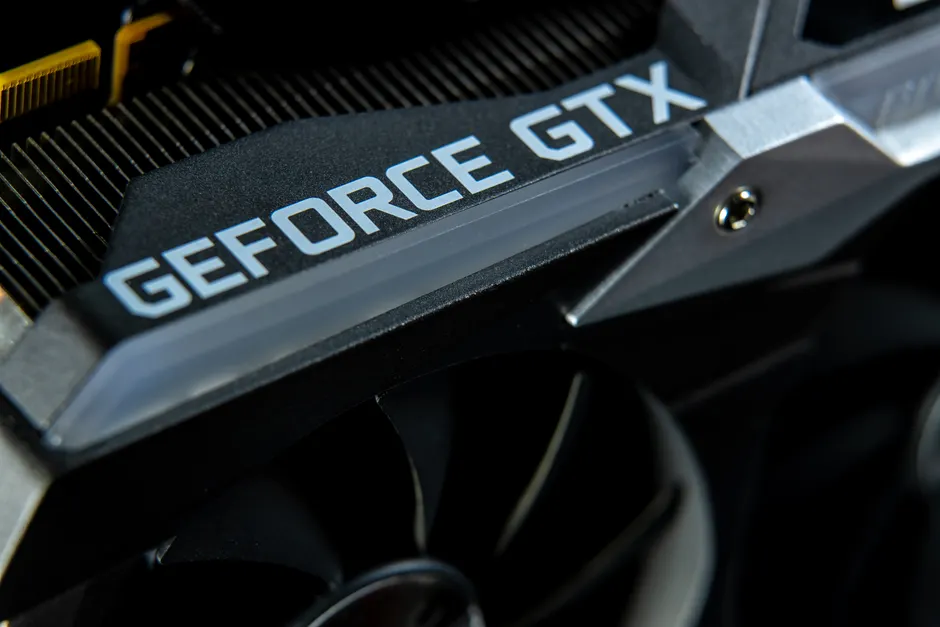
The training setup is the detail most engineers will examine first. Mistral says Large 4 was trained entirely on its own compute, using only 4,000 NVIDIA GPUs. That number is low for a model at this scale. It implies substantial work on parallelism, scheduling, checkpointing and fault tolerance, the techniques for splitting work across chips and keeping a long training run stable, rather than reliance on a much larger fleet to brute-force throughput.
Mistral describes Large 4 as optimized for cybersecurity, finance and chip design. Early benchmarks are reported to lead in coding and vision. The Next Web Mistral's CEO said the newest model beats Chinese models in some areas, including cybersecurity. Reuters
Mistral presents the release as a European bid for frontier relevance against U.S. closed models and Chinese open models alike. Mistral and other European AI firms have accused U.S. rivals of using safety concerns to entrench their dominance. Reuters
Mistral raised 3 billion euros at a valuation of around 21 billion euros (24 billion dollars). Reuters It said it would build a new data centre in Les Ulis, France, with 10 megawatts of computing power in the second half of 2026. Microsoft agreed to fund Mistral's European AI expansion in a multibillion-dollar deal, and Mistral added Medium 3.5 and OCR 4 models to Microsoft Foundry. Reuters
The broader context here is what a 4,000-GPU, 1-trillion-parameter training run would mean if the methodology holds up under independent scrutiny. Parameter count alone says little about architecture, mixture-of-experts routing, data mix or post-training. For practitioners, the relevant questions are memory footprint for serving, tokenizer fertility across code and European languages, tool-use reliability, and how the guardrailed preview behavior compares with the eventual open weights.
In my view, the staged release is the pragmatic part of the story. A guardrail endpoint first, weights later, gives Mistral time for red-teaming while still letting developers test API behavior against real workloads in cybersecurity, finance and chip design. The tradeoff to note is that enterprise teams cannot yet audit weights, reproduce results, or plan self-hosting costs until Oct. 27. Until then, evaluation will depend on preview access and limited benchmark signals. If the efficiency claims and early leads in coding and vision survive wider testing, more teams could get frontier-class help for code review, vulnerability analysis, quantitative work and hardware design without waiting on U.S. or Chinese cycles, including European operators using a system trained and hosted closer to home.


