Benchmark Backs Furientis Plan for Low-Cost Interceptors at Scale
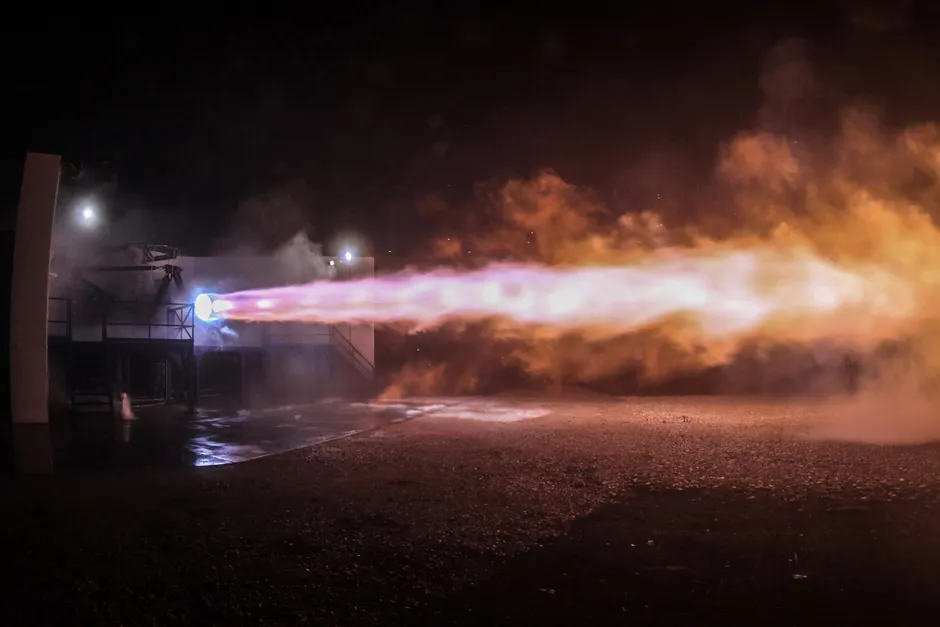
Benchmark is leading a $25 million seed round into Furientis, a one-year-old startup built to mass-produce interceptor missiles at low cost. A seed round is early startup funding, and interceptors are missiles designed to shoot down incoming missiles. The round values the company at $125 million, according to a person familiar with the company, and follows a $5 million pre-seed round announced in May. TechCrunch
The financing is Benchmark's first bet on a pure defense startup. General partner Chetan Puttagunta said Furientis manufactured prototypes with just $5 million and had completed successful launches by the time Benchmark invested. The company also holds a funded Pentagon contract to build mid-range interceptors.
Furientis was founded in early 2025 by Brody Franzen and Aris Simsarian. Franzen served as deputy chief engineer at Virgin Galactic before joining Castelion. Simsarian previously led rocket engine testing at Virgin Orbit. The name Furientis means "of fury" in Latin.
The company works out of a facility in Los Angeles and takes prototypes for trial launches to White Sands, New Mexico. Testing is running in the field on a bi-weekly basis, or about every two weeks. The stated production target is to manufacture 1,000 systems a year in each factory.
Top-end interceptors, often custom-built for maximum performance, can cost around $3 million each. Co-founder Brody Franzen said the U.S. Navy receives 300 to 500 interceptor missiles annually, while China claims a production rate of 3,000 anti-ship cruise missiles a month. TechCrunch
In 2024, U.S. Navy ships fired hundreds of Standard Missiles, the Navy's main ship-launched defensive missiles, defending against Red Sea threats. That tempo exceeded the number the nation can produce. Furientis
The broader context here is throughput versus performance. Readers who follow manufacturing know the trade. A complex unit with long build times behaves differently from a simpler unit built for volume, regular testing and step-by-step fixes. Furientis is betting on the second model, with frequent live fires feeding back into design and process.
In my view, the Benchmark commitment matters less for the $25 million figure than for what it says about venture comfort with hardware timelines in defense. A seed-stage interceptor program with Pentagon funding, bi-weekly field testing and a factory output target should be judged on manufacturing progress and unit economics, not pitch decks. One point worth flagging is that low cost only holds if reliability and fit with existing launchers, sensors and command networks hold with it. Volume without that fit does not solve magazine depth, the number of ready rounds a ship can carry. If Furientis sustains its test tempo while moving toward 1,000 systems per factory per year, fleet planners would have an option they lack today. More shots at lower cost per shot, with domestic production able to replace what exercises and real engagements use up.